
Russia is facing a new logistics crisis due to a fuel shortage
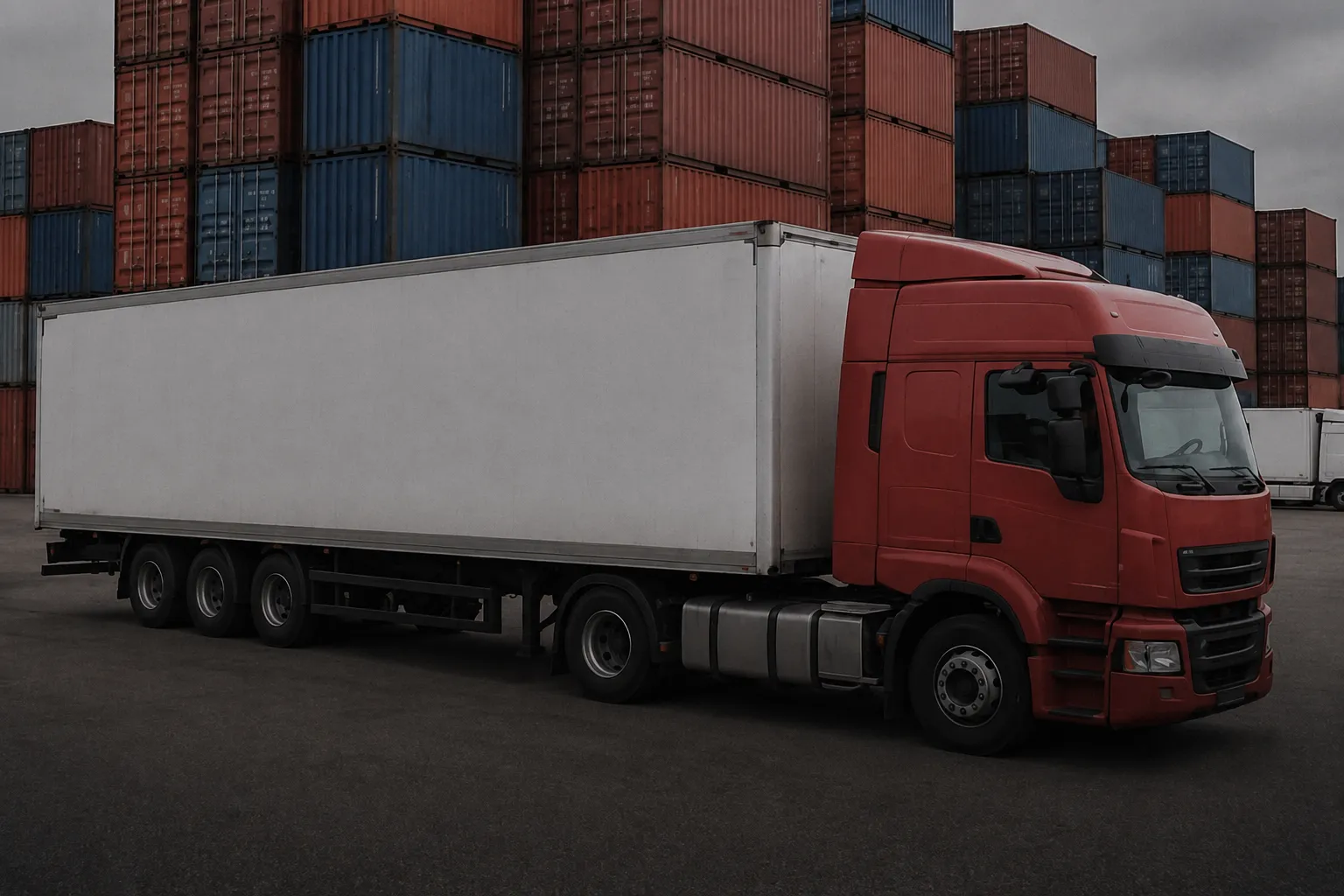
The Russian transportation sector has come under pressure due to fuel shortages and rising fuel prices. In the first half of 2026, more than 70% of cargo in Russia was transported by road, so fuel shortages significantly increased carriers’ costs and disrupted logistics.
Since mid-July, fuel prices have risen by 16–18%, causing the cost of road transport to increase by approximately 4.5–5.5%. The situation was further exacerbated by the elimination of fuel discounts, prompting companies to cut back on long-distance trips and refocus on transportation within specific regions.
At the same time, rates have risen: the driver shortage and seasonal demand for perishable goods have been compounded by higher tolls on federal highways. In July, truck rates rose by 12–15% compared to June, and on some routes, by as much as 50%.
Routes from China were hit the hardest. Due to a fuel crisis in the Trans-Baikal region—through which the main flow of cargo from China passes—rates jumped by 20–25% compared to May–June, and the cost of shipping cargo from China to Moscow rose from $10,000–11,000 to $14,000.
Companies are trying to shift some of their cargo to rail and sea transport: demand for direct rail shipments has grown by approximately 18–20%, and for sea shipments by 10–12%. However, limited capacity and longer delivery times prevent these routes from compensating for the loss of road transport, so logistics are only becoming more complicated and expensive.
Market participants do not expect rates to return to pre-crisis levels even after fuel supplies stabilize: they forecast a decline of no more than 7–10%, as carriers will try to recoup losses from downtime and underutilization of their fleets. Combined with the driver shortage, this makes rising logistics costs a structural phenomenon.
The crisis will accelerate market consolidation around large operators capable of building up fuel reserves and operating at lower profit margins. The exit of small carriers will reduce the supply of services and keep rates high even after supplies normalize, while remote regions of Russia will become even more dependent on a limited number of carriers—with a corresponding difference in delivery costs between the center and the periphery of the country.
This was reported by the Foreign Intelligence Service of Ukraine.
Kyiv and Brovary were the main targets of the Russian Federation’s attack.
Russia’s war against Ukraine is taking on the characteristics of a total war — The Kyiv Independent.
Earlier, Ukraine certified the long-range “Dovbush T40” UAV.


