
The Central Bank of the Russian Federation did not allow leading banks to create an alternative payment system
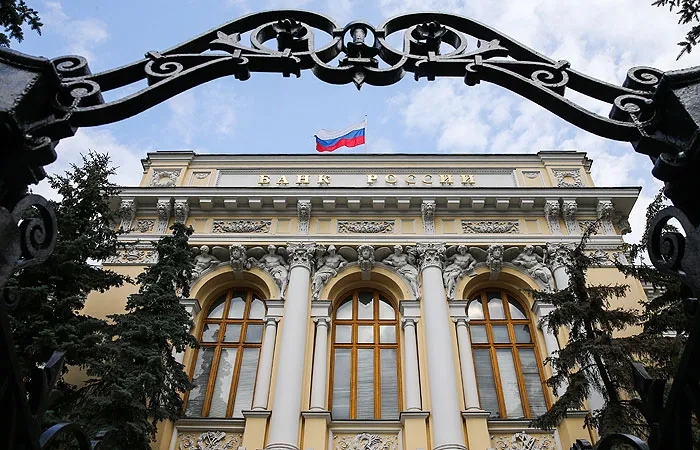
The Bank of Russia rejected a proposal by Sberbank, Alfa-Bank, and T-Bank to create their own payment system, which was intended to compete with the state-run system.
The regulator rejected all proposed models, including the initial concept of card payments and a subsequent option based on QR codes, making it clear that there would be no alternative to the National Payment Card System (NSPK) on the market.
The idea of creating a new financial platform first emerged in the summer of 2023 at the initiative of Sberbank CEO Herman Gref, and in October 2025, it became known that three major financial institutions were collaborating on technologies using biometrics, Bluetooth, and QR codes. However, during a meeting between Central Bank leadership and bankers in May 2026, the regulator took a hard line, as it had always been conceptually opposed to the emergence of a second payment system in the country. Despite the ban and the central bank’s proposal to join the existing NSPK as a shareholder, a consortium of banks—including former employees of the state agency—continues to develop alternative payment solutions behind closed doors.
RBC reports this, citing its own sources.
The Central Bank of Russia cut its key rate amid pressure from military spending.
As a reminder, Russia is seeing a trend toward staff reductions in various sectors, including IT, healthcare, logistics, manufacturing, retail, consulting, and other business services.
The Russian Ministry of Finance forecasts a sharp increase in regional budget deficits to $21 billion.


