
Mobile internet services have begun to be shut down en masse in St. Petersburg and Moscow
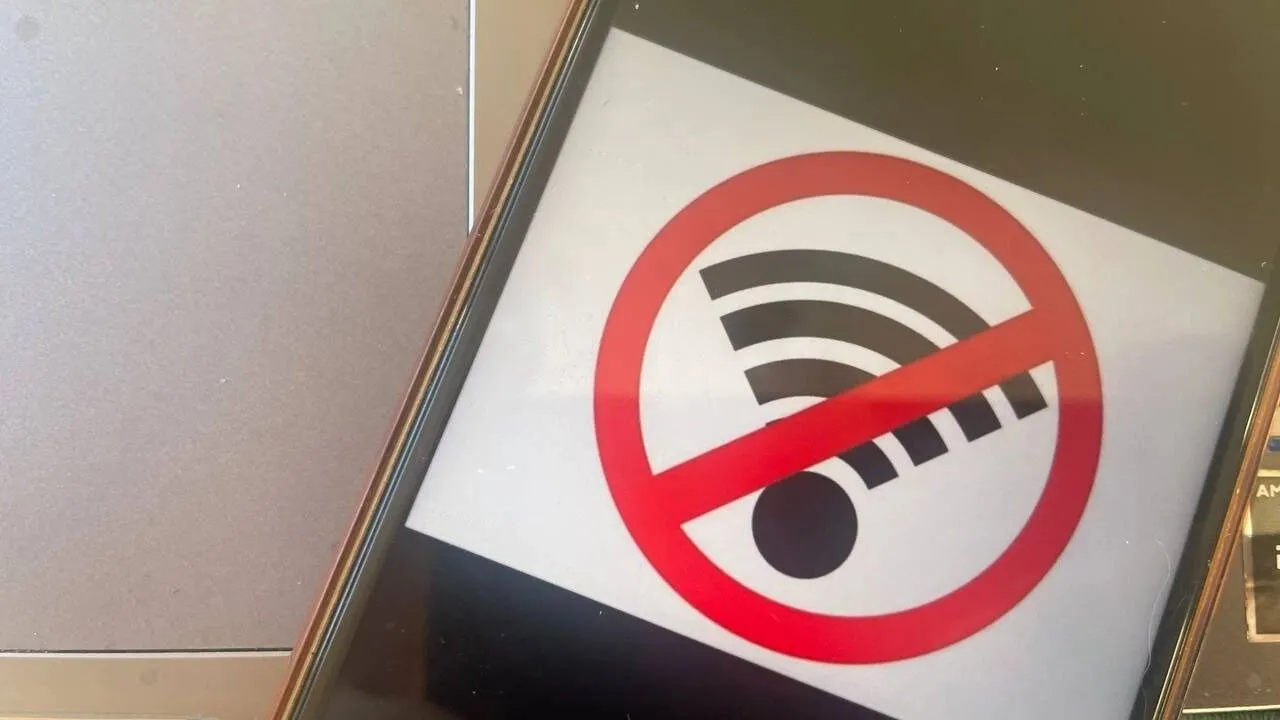
The St. Petersburg authorities have officially announced restrictions on mobile internet access, citing security measures as the reason.
According to Russian media reports, the local Committee on Informatization and Communications has recommended that residents switch to the city’s Wi-Fi network during outages, which requires authorization via a phone number. According to monitoring services, on the morning of March 17, city residents are reporting widespread loss of connectivity, with only resources from the so-called “white list”—a government-approved list of websites—remaining accessible.
A similar situation is observed in Moscow, where network outages have persisted since early March. In the center of the Russian capital, the internet is almost completely unavailable, while in the Moscow region, residents were warned in advance about possible outages and advised to use VoWiFi technology for calls. The Kremlin explains the need for such drastic measures as attempts to defend against Ukrainian attacks, which are becoming increasingly intense. Russian Presidential Press Secretary Dmitry Peskov has already urged citizens to prepare for the fact that such restrictions will be long-term.
Experts note that the widespread use of “whitelists” effectively turns the Russian segment of the network into an isolated system with strict censorship. While Russia attempts to conceal the vulnerability of its infrastructure, the shutdown of mobile internet creates significant inconveniences for businesses and the daily lives of citizens. The introduction of authorization on public Wi-Fi networks allows security services to tighten control over user activity amid a total restriction on free access to information.
The Russian occupation administration in the occupied territories of Zaporizhzhia Oblast is considering the possibility of a complete shutdown of the internet.




