
The Center for Strategic and Political Studies identified three main objectives of the Russian-Belarusian nuclear exercises
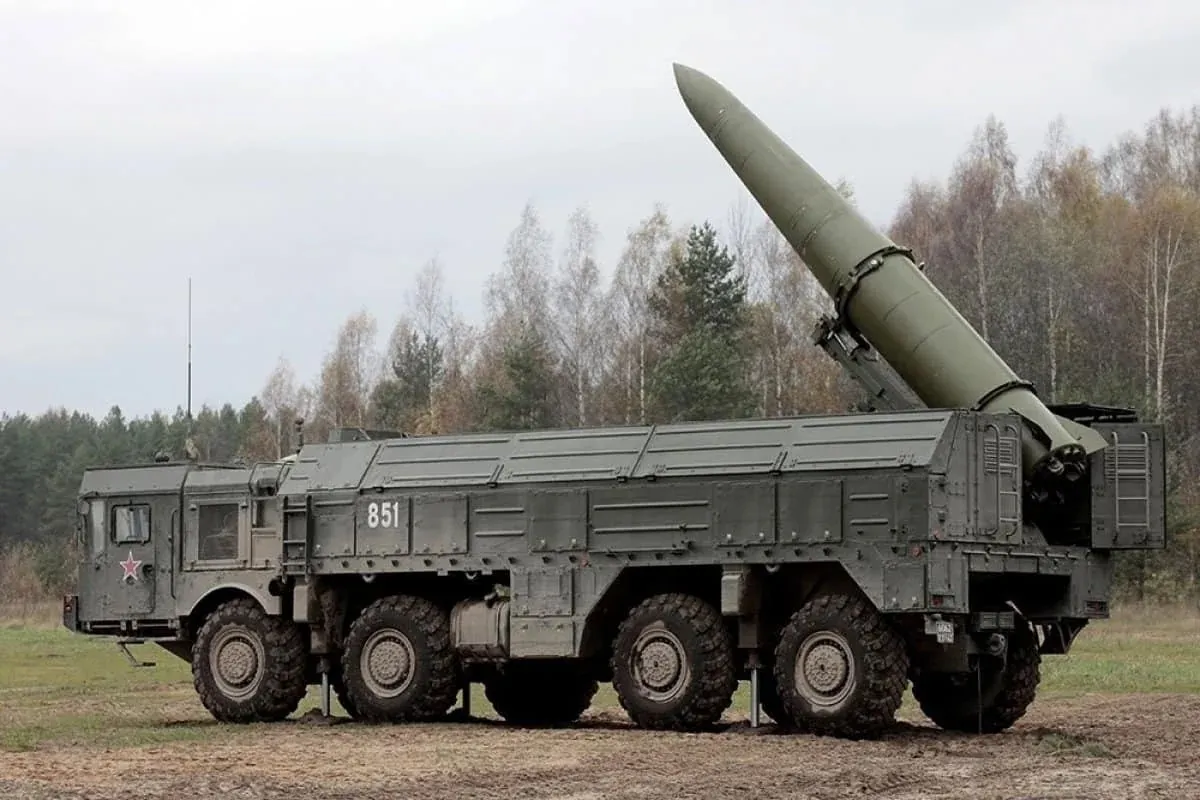
The joint nuclear exercises between Russia and Belarus are part of a hybrid operation aimed at intimidating European countries.
Andriy Kovalenko, head of the Center for Countering Disinformation, stated this in a comment to RBC-Ukraine. According to him, through this campaign, the Kremlin is attempting to achieve several strategic objectives in international politics.
The main goals of this information and psychological operation are to create an atmosphere of fear in European Union countries, to reduce citizens’ trust in the current political elites, and to artificially boost the ratings of European forces advocating for the restoration of friendly relations with the Russian Federation. At the same time, Kovalenko emphasized that such nuclear threats are largely ineffective for Ukrainian society and will not yield the desired result for the aggressor.
At the same time, conducting these exercises demonstrates Moscow’s total control over the Belarusian armed forces and undermines Alexander Lukashenko’s attempts to pursue an independent foreign policy. The head of the CPD noted that key Belarusian officials, including Defense Minister Viktor Khrenin and Security Council Secretary Alexander Volfovich, are graduates of Russian military academies and are fully subordinate to the Russian leadership. In its messaging, Russia is attempting to distort reality in order to portray its aggressive actions as a necessary defensive measure.
The Ministry of Defense of the Russian Federation officially announced the start of large-scale military exercises involving strategic nuclear forces, which will take place from May 19 to 21, 2026.
Ukraine reacted sharply to the joint nuclear exercises between Russia and Belarus, stating that they violate international treaties and pose a threat to global security. The Ministry of Foreign Affairs emphasized that Moscow is effectively turning Belarus into a nuclear staging ground near NATO’s borders.


