
Ukrainian strikes thwarted Russia's attempt to connect the Zaporizhzhia Nuclear Power Plant to its own power grid
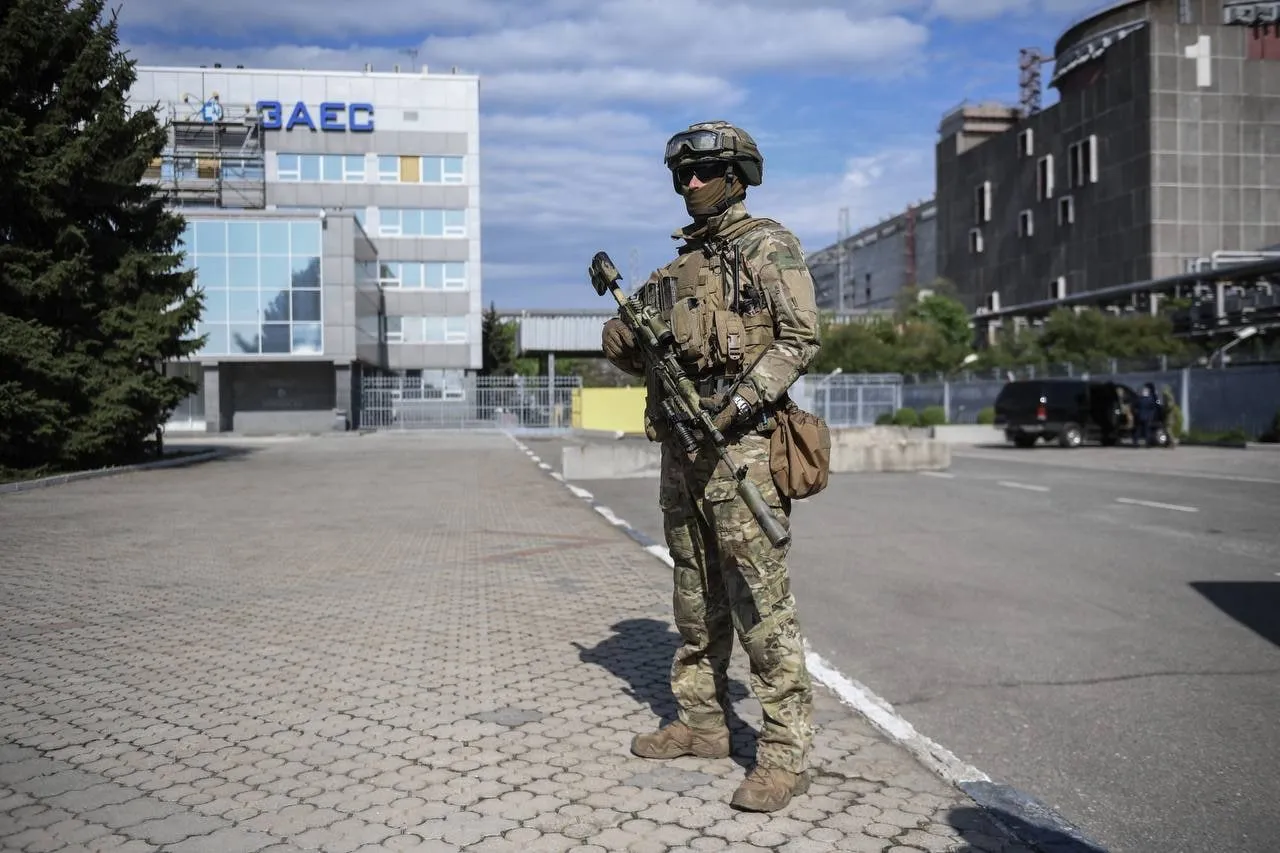
Russia attempted to integrate the captured Zaporizhzhia Nuclear Power Plant into its own energy system and grids in the temporarily occupied territories, but Ukrainian drone strikes halted the implementation of these plans. This is evidenced by a new analysis of high-resolution satellite imagery from January through July 2026, conducted by the international organization Greenpeace Ukraine.
According to the study, the occupiers were constructing a new high-voltage power line along the M18 highway between Melitopol and Henichesk. Construction of the power line was nearly complete in May, but the project collapsed due to a series of attacks by the Ukrainian Armed Forces, particularly following a successful strike on a substation in Henichesk in early July.
Greenpeace notes that Moscow aims to completely disconnect the Zaporizhzhia Nuclear Power Plant from Ukraine’s power grid, restart it under Rosatom’s control, and supply electricity to the occupied territories and the southern regions of the Russian Federation. At the same time, the organization’s experts emphasize that the Kremlin’s plans are becoming increasingly unrealistic, and preparations for the illegal restart of the reactors pose enormous radiation risks to all of Europe. Greenpeace also calls on the IAEA and the international community to increase pressure and sanctions to ensure the immediate de-occupation of the plant.
This was reported by the international non-governmental environmental organization Greenpeace Ukraine.
In occupied Energodar, Alexander Yakovlev, the so-called chief engineer of the seized Zaporizhzhia Nuclear Power Plant, was killed when a drone struck a service vehicle. The driver of the vehicle was also killed at the scene. This was stated by Alexei Likhachev, head of the Russian state corporation Rosatom.
The Ukrainian Ministry of Foreign Affairs stated that Kyiv had no connection to the death of the chief engineer of the occupied Zaporizhzhia Nuclear Power Plant. The ministry called Russia’s statements unsubstantiated and urged the public not to treat information from the occupying authorities as reliable.


