
The West Offers Ukraine a New Strategy Against Russian Ballistic Missiles — Financial Times
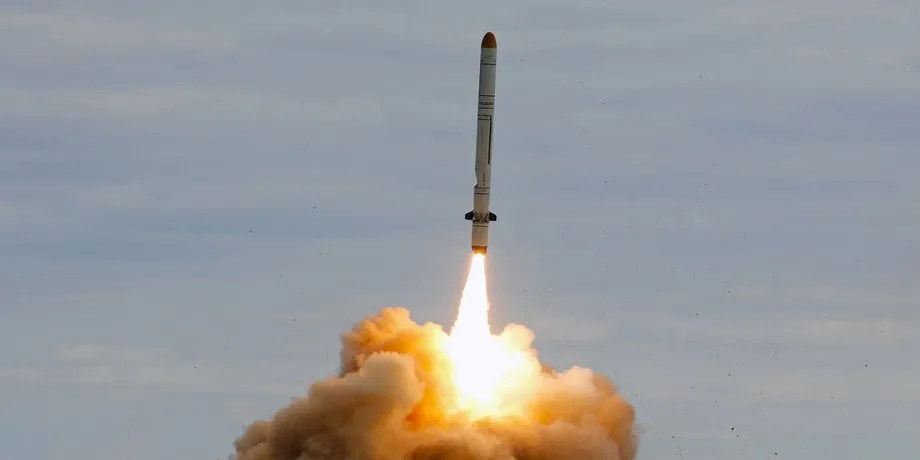
Ukraine and its partners should focus not only on intercepting Russian ballistic missiles, but also on destroying production facilities and launch sites. To implement this strategy, Kyiv needs Western weapons and intelligence data to identify targets.
After four and a half years of full-scale war, the conflict between Russia and Ukraine is increasingly shifting to the air. The widespread presence of drones and sensors along the front lines has made maneuvering virtually impossible. The war on the ground remains horrific and bloody, but largely static.
Ukrainian and Russian forces, meanwhile, are stepping up missile and drone attacks in an effort to wear each other down. Ukrainian President Volodymyr Zelenskyy said in an interview with the FT last month that the battle in the skies will determine the outcome of the war.
One of the most notable developments this year has been the effectiveness of Ukrainian medium- and long-range strikes. Defense forces are delivering powerful strikes against Russian military targets in Crimea and along the logistics routes connecting the occupied peninsula with Russian territory. As a result, it is becoming increasingly difficult for Moscow to defend and supply this territory.
Kyiv is also using increasingly accurate long-range drones and certain missiles to strike facilities of the Russian defense-industrial complex, oil refineries, and warehouses. The Financial Times believes that Ukraine should now build on this advantage with the help of its Western partners and force Russian dictator Vladimir Putin to the negotiating table.
At the same time, recent weeks have demonstrated Ukraine’s own vulnerability to Russian ballistic missile attacks. This is partly because its partners have not done more to strengthen Ukraine’s air defenses.
In 2024 and 2025, Russia ramped up its production of ballistic missiles, exploiting loopholes in Western sanctions to procure the necessary components. According to estimates by military analysts and Ukrainian intelligence officials, Russia is capable of producing about 70 such missiles per month.
Last month alone, Russia fired 198 ballistic missiles at Ukrainian targets. Kyiv’s only reliable defense against them remains the American Patriot system, but its stockpile of interceptor missiles is nearly depleted. Moscow is striking Ukrainian defense industry facilities, transportation hubs, and energy and water infrastructure with virtually no resistance.
The war with Iran has severely depleted the stockpiles of interceptor missiles held by the U.S. and its allies in the Persian Gulf. Recent steps to expand U.S. production will take years to yield results. Therefore, European partners with significant stockpiles—notably Spain and Greece—should transfer more of these missiles to Ukraine.
The Financial Times also emphasized the importance of a plan to license the production of Patriot interceptor missiles directly in Ukraine. U.S. President Donald Trump recently made it clear that he is hesitant about the agreement, which he had agreed to just last month at the NATO summit, although Ukrainian officials and manufacturers are preparing to move forward.
It could take Ukraine years to finalize the technology transfer and establish a certified supply chain, so Patriot production will not be a short-term solution to the problem. However, the mere existence of such an agreement could encourage partners to transfer their own stockpiles to Ukraine if they know they will be able to replenish them later.
France and Italy, the publication notes, should expedite the delivery of SAMP/T NG systems and further expand their interceptor missile assembly lines. In the long term, Ukraine and its partners should also engage defense startups to develop cheaper interceptor missiles suitable for mass production.
However, simply increasing the number of air defense systems will not solve the problem. Partners must assist Ukraine with strike capabilities and intelligence to target and destroy ballistic missile production facilities and launchers on Russian territory.
The scale of Russian missile production and the shortage of interceptors mean that Ukrainian forces need to “hit the archer, not just the arrow.”
Source: Financial Times
On the morning of August 11, a fire broke out at an industrial facility in Orsk, Orenburg Oblast, Russia. According to reports, the fire started following an attack. The facility produces about 30 types of petroleum products, including gasoline, diesel fuel, jet fuel, fuel oil, bitumen, and lubricants.
As a reminder, a gas station and a facility were damaged as a result of a Russian attack on the Poltava region.
In Dnipro on Friday, August 7, a World Health Organization humanitarian warehouse was destroyed as a result of an attack. At the time of the strike, there were no people on the premises, and no casualties were reported.


