
Cash withdrawals from Russian banks have reached a level that is catastrophic for the financial system
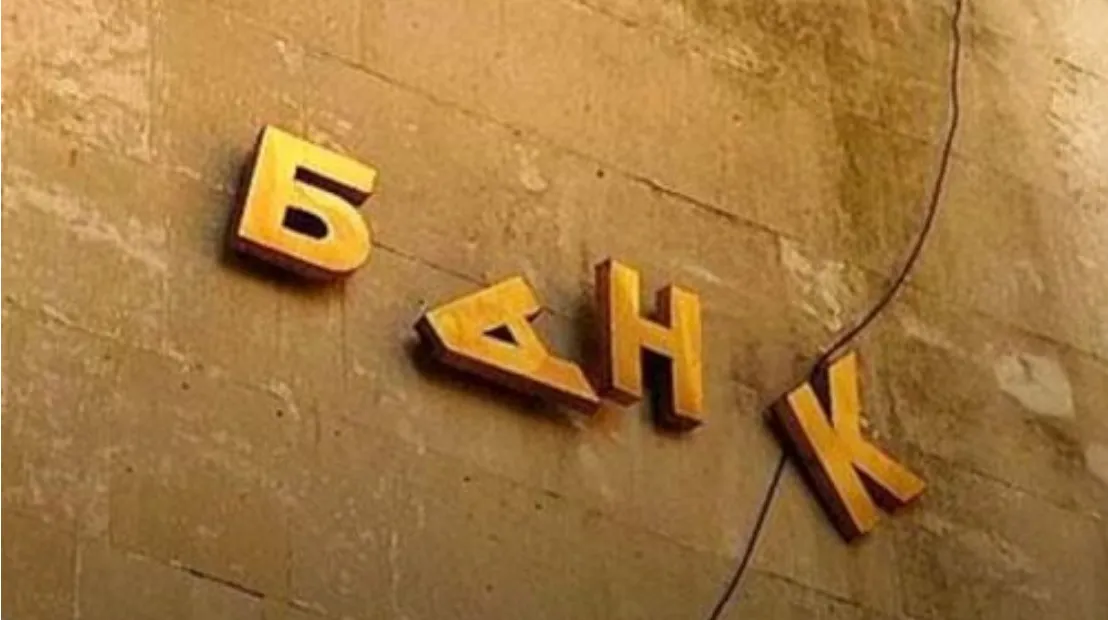
Russian banks faced a worsening liquidity crunch and sharply increased their borrowing from the Central Bank of Russia amid an accelerated withdrawal of funds from accounts in cash.
From July 1 to July 22, the Bank of Russia provided credit institutions with 2.099 trillion rubles (about 26.9 billion U.S. dollars) in additional loans through repo operations. As a result, banks’ total debt to the regulator reached 6.243 trillion rubles (about 80.1 billion U.S. dollars), which is nearly double the figure at the end of last year.
Experts attribute the growing ruble liquidity shortage to two key factors: the rapid withdrawal of “cash” by the public and a reduction in budget surpluses in accounts. According to the Central Bank of the Russian Federation, in the first half of July alone, the volume of cash in circulation increased by 513 billion rubles (about 6.58 billion U.S. dollars), in June—by 479 billion rubles (about 6.14 billion U.S. dollars), and since early February, it has surged by 2.416 trillion rubles (about 31 billion U.S. dollars).
To prevent the system from collapsing, the regulator expanded short-term overnight refinancing: on July 21, banks were allocated 600 billion rubles (about 7.69 billion U.S. dollars), and on July 22, this amount was increased to 1 trillion rubles (about 12.8 billion U.S. dollars).
Economists note that the inflow of funds into the banking sector is drying up due to inflation and the general deterioration of the economic situation, while the repayment of previously issued loans is rapidly deteriorating. The share of non-performing loans in banks’ portfolios has already exceeded 10%, which, according to IMF methodology, indicates a deep systemic crisis. According to international analysts, to rescue the banking system, the Kremlin will have to draw funds from the budget or the National Wealth Fund, which will place a critical strain on the state treasury.
Source: The Moscow Times.
Russian analysts have revised their forecast for the country’s economy downward: they expect higher inflation, slower GDP growth, and lower oil prices; according to new estimates, Russia will not be able to return to its 4% inflation target until 2029.
After three years of unexpected economic growth, Russia is facing a sudden slowdown—war costs, inflation, and falling oil prices have begun to weigh on an economy that, until recently, seemed resilient to sanctions.
Russian business is currently in a state of controlled collapse
Consumer lending in Russia has fallen to a six-year low.
From July 1 to July 22, the Bank of Russia provided credit institutions with 2.099 trillion rubles (about 26.9 billion U.S. dollars) in additional loans through repo operations. As a result, banks’ total debt to the regulator reached 6.243 trillion rubles (about 80.1 billion U.S. dollars), which is nearly double the figure from the end of last year (3.637 trillion rubles / approximately 46.6 billion U.S. dollars).
Experts attribute the growing ruble liquidity shortage to two key factors: the rapid withdrawal of “cash” by the public and a reduction in budget surpluses in accounts. According to the Central Bank of the Russian Federation, in the first half of July alone, the amount of cash in circulation increased by 513 billion rubles (about 6.58 billion U.S. dollars), in June—by 479 billion rubles (about 6.14 billion U.S. dollars), and since early February, it has surged by 2.416 trillion rubles (about 31 billion U.S. dollars).
To prevent the system from collapsing, the regulator expanded short-term overnight refinancing: on July 21, banks were allocated 600 billion rubles (about 7.69 billion U.S. dollars), and on July 22, this amount was increased to 1 trillion rubles (about 12.8 billion U.S. dollars).
Economists note that the inflow of funds into the banking sector is drying up due to inflation and the general deterioration of the economic situation, while the repayment of previously issued loans is rapidly deteriorating. The share of non-performing loans in banks’ portfolios has already exceeded 10%, which, according to IMF methodology, indicates a deep systemic crisis. According to international analysts, to rescue the banking system, the Kremlin will have to draw funds from the budget or the National Wealth Fund, which will place a critical strain on the state treasury.
Source: The Moscow Times (citing the Central Bank of the Russian Federation, the Russian Academy of National Economy and Public Administration, “Expert RA,” and Enmetena Advisory).


