
17 EU countries oppose budget cuts — Politico Europe
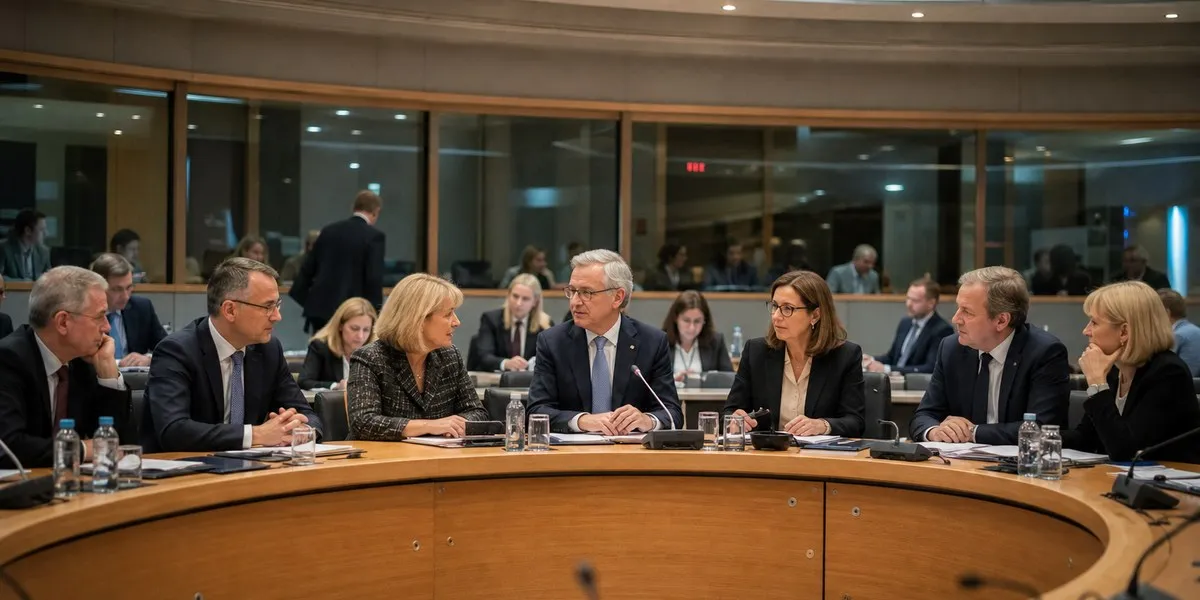
In Brussels, 17 EU governments publicly opposed cuts to agricultural spending and regional payments in the European Union’s next seven-year budget. The initiative was coordinated by Italian Prime Minister Giorgia Meloni and Romanian President Nicușor Dan, Politico reports.
Letter to the EU presidency
The letter supporting the preservation of funding was signed by Bulgaria, Croatia, Cyprus, Czechia, Estonia, Greece, Hungary, Italy, Latvia, Lithuania, Malta, Poland, Portugal, Romania, Slovakia, Slovenia and Spain. The document was addressed to Irish Prime Minister Micheál Martin, whose country currently holds the presidency of the Council of the EU.
The governments called for preserving nearly €900 billion in spending on cohesion policy and the Common Agricultural Policy in the future budget proposal. They stressed that further funding cuts could weaken the budget and undermine public support for the European project.
The Irish presidency’s negotiating document, known as the negobox, is to define the framework for discussions among the leaders of the EU’s 27 member states at the Brussels summit in October. Meloni and Dan plan to hold an informal meeting of these countries on the sidelines of the European Council meeting on October 15–16.
More current news is available on the UA.News Telegram channel Telegram.
Disagreements over spending
The position of the 17 states runs counter to a group of six countries led by Germany, which earlier this week called for cutting total spending by several hundred billion euros. In 2025, the European Commission proposed a budget of nearly €2 trillion for 2028–2034, shifting hundreds of billions of euros from agricultural and regional programmes to defence and competitiveness.
EU countries seek to reach a final agreement on the budget by the end of the year, before national elections in France, Poland and Italy. In the letter, the 17 states also said that new EU own resources must be genuine, fair, simple and non-regressive. They renewed their call to defer payments on debt raised after the COVID-19 pandemic, estimated at €25 billion per year, and also opposed budget rebates for wealthier countries.
The European Commission proposed five new EU-wide levies, which are estimated to generate €66 billion annually. France supports this package, but individual proposals have drawn objections from governments that fear the new levies would have a disproportionate impact on their countries.




