
July 27: Vietnam War Memorial Day, a story of mourning and gratitude
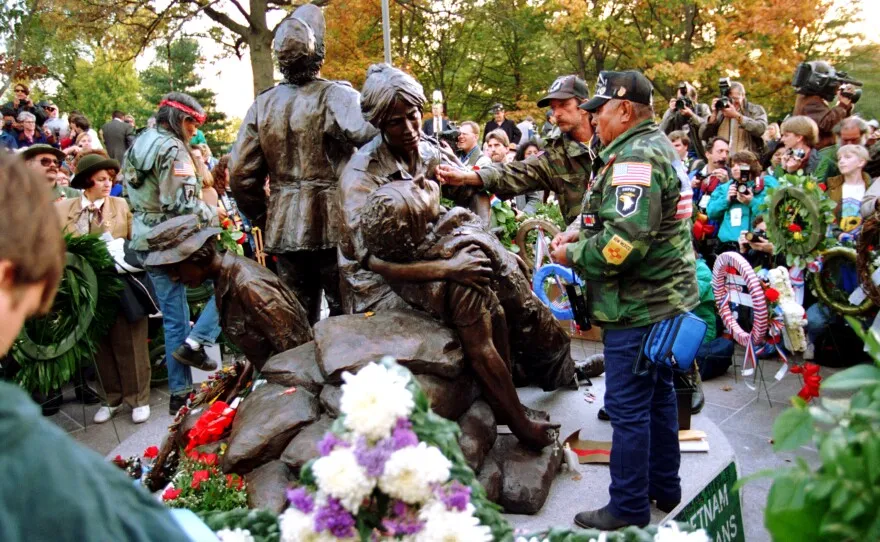
On July 27, Vietnam observes War Victims’ Remembrance Day and honors those who lost their lives while fighting for independence and defending the country. This day is dedicated not only to military personnel but also to civilians who fell victim to the war.
The date holds special significance for the Vietnamese people, as the country has endured decades of conflict and great human loss. On this day, people remember the fallen, visit memorials, and express gratitude to those who sacrificed their lives for future generations.
In Vietnam, events are held every year on July 27 to mark the Day of Remembrance for the Fallen and Those Affected by War. The official name of the holiday is the Day of Remembrance for Fallen Heroes and Martyrs. Vietnamese people honor those who died fighting for the country’s independence, especially during the war with France and the Vietnam War.

This date was established after the end of prolonged military conflicts that profoundly shaped the country’s history. Many families in Vietnam have lost loved ones, so the memory of the fallen has become an important part of the national culture. Memorial Day was established in 1947, two years after Vietnam declared its independence. The government at the time decided to designate a specific day when the entire country could commemorate those who died in the struggle for liberation.
Why July 27?
The date of July 27 is linked to the events following the August Revolution of 1945, when Vietnam declared its independence from France. Already during this period, the country began preparing for a new phase of the struggle, which later escalated into the First Indochina War.

After suffering heavy losses among both military personnel and civilians, the Vietnamese government decided to establish a day of remembrance. The first commemorations were dedicated to the families of fallen soldiers and to those wounded during the war. Over time, the significance of this day has broadened. It is now dedicated to all those who suffered during various periods of the country’s history—from colonial conflicts to the Vietnam War.
How Vietnam Observes Remembrance Day
On this day, ceremonies are held across the country at monuments and military cemeteries. Government officials, military personnel, veterans, and ordinary citizens bring flowers, light incense, and honor the memory of the fallen. One of the main traditions is visiting the graves of relatives who died during the war. Many families visit memorial complexes to pay their respects to their loved ones.
Schools and government institutions hold themed events. Students learn about the country’s history, the military’s heroic deeds, and the importance of preserving the memory of the past. Cities also organize meetings with veterans and the families of the fallen. People listen to their stories, recall events from years past, and discuss the value of peace.
Memorials and Traditions of Remembrance
Military cemeteries, where thousands of soldiers are buried, hold a special place in Vietnam. One of the largest is the Chieng Son Cemetery in Quang Tri Province, where veterans of the Vietnam War are buried. Solemn wreath-laying ceremonies are often held at these memorials. People leave flowers and traditional offerings, as respect for ancestors and the deceased is of great importance in Vietnamese culture.
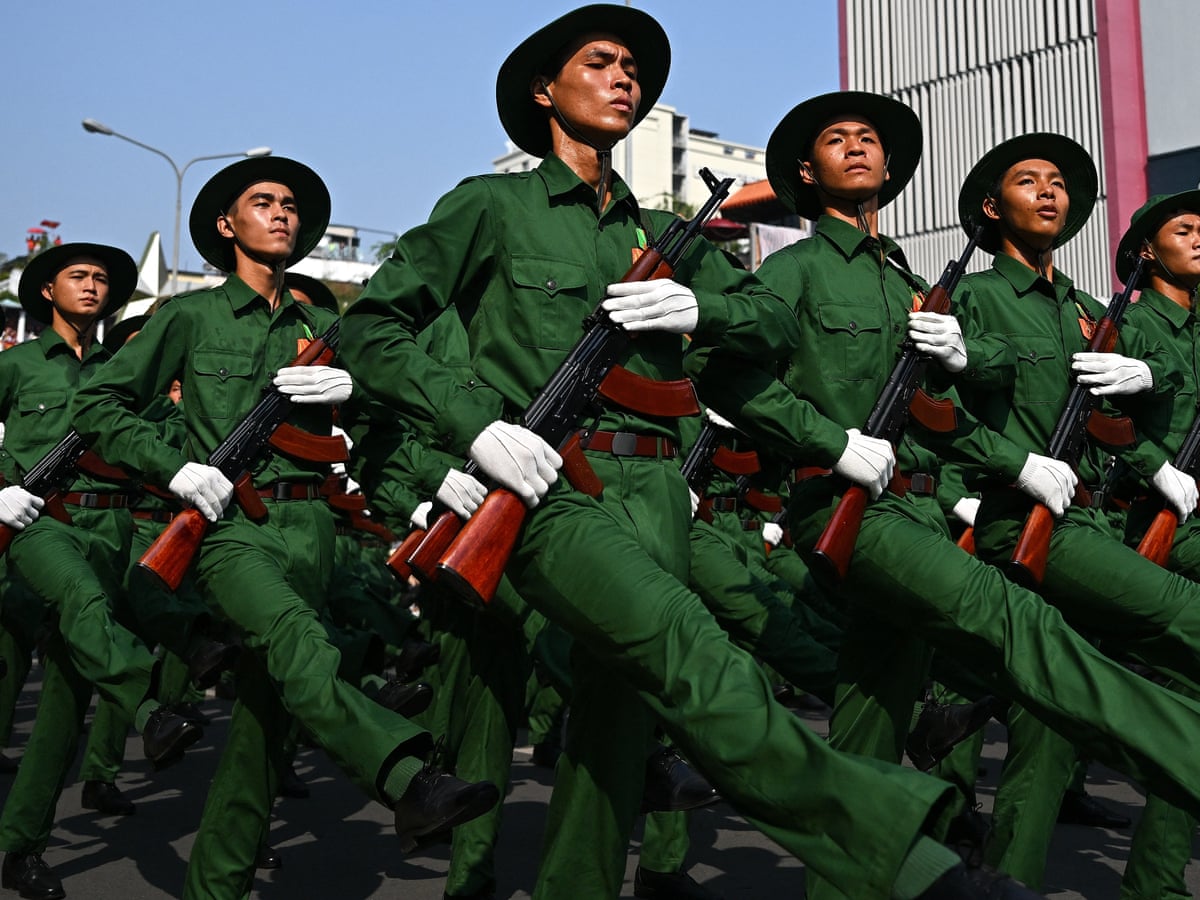
For many families, this day is a deeply personal one. There are still families in Vietnam who have not found the remains of their loved ones who died during the war. The government also runs support programs for veterans and the families of fallen soldiers. Providing assistance to these people is considered one of the most important symbols of respect for those who gave their lives for their country.
Interesting Facts About Remembrance Day in Vietnam
Vietnam has one of the largest numbers of military gravesites in Southeast Asia due to the numerous wars that took place throughout the 20th century. On this day, special attention is paid not only to soldiers but also to civilians who lost their lives as a result of the fighting. The country emphasizes that remembering the victims of war is essential so that future generations understand the value of peace.
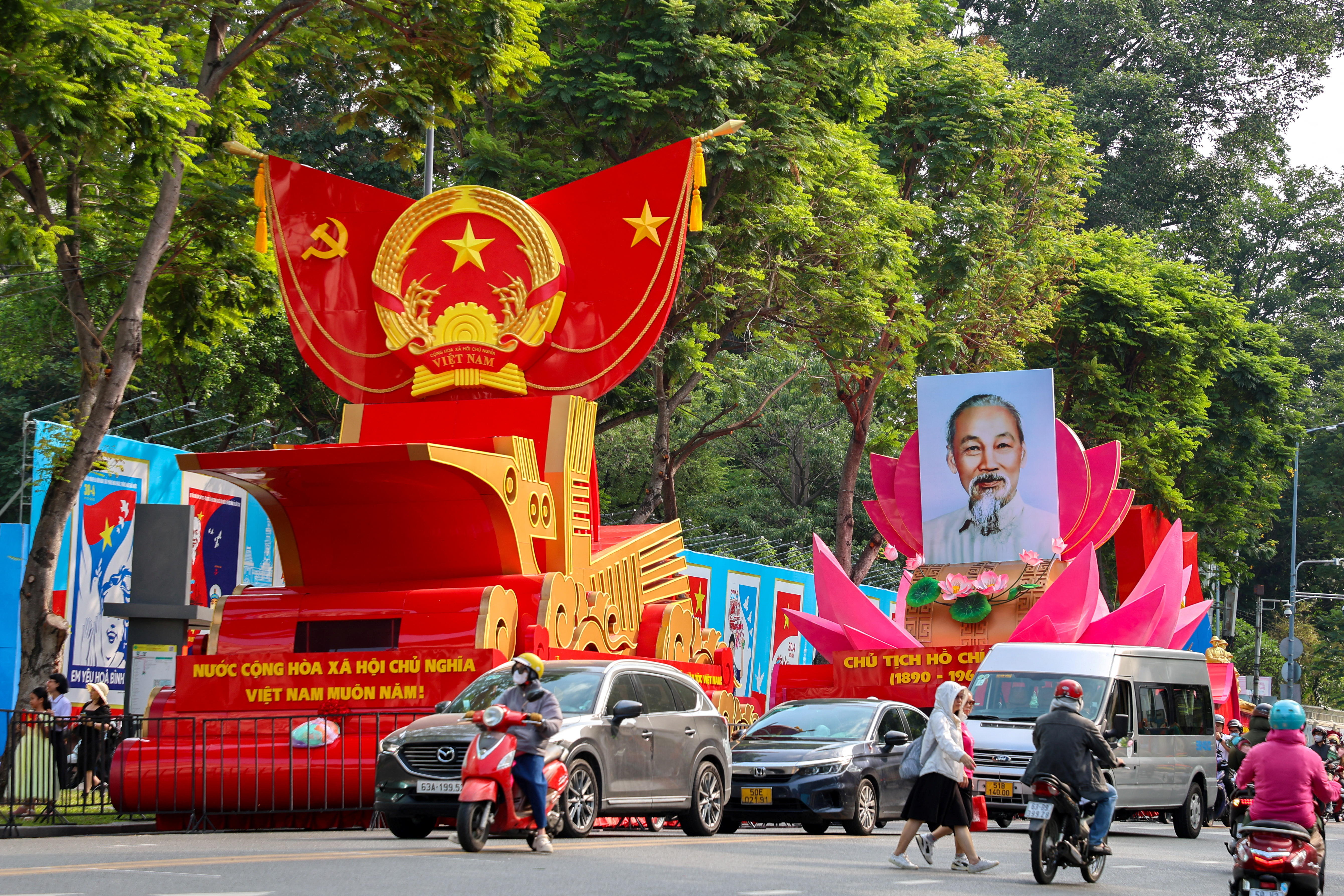
Another tradition is planting trees near memorials. This symbolizes the continuation of life and the memory of those who are no longer with us. For modern Vietnam, this day has become not only a day of mourning but also a day of gratitude. People reflect on the past, but at the same time speak of peace, the country’s recovery, and a future free of new wars.


