
On May 29, the world commemorates the first ascent of Mount Everest
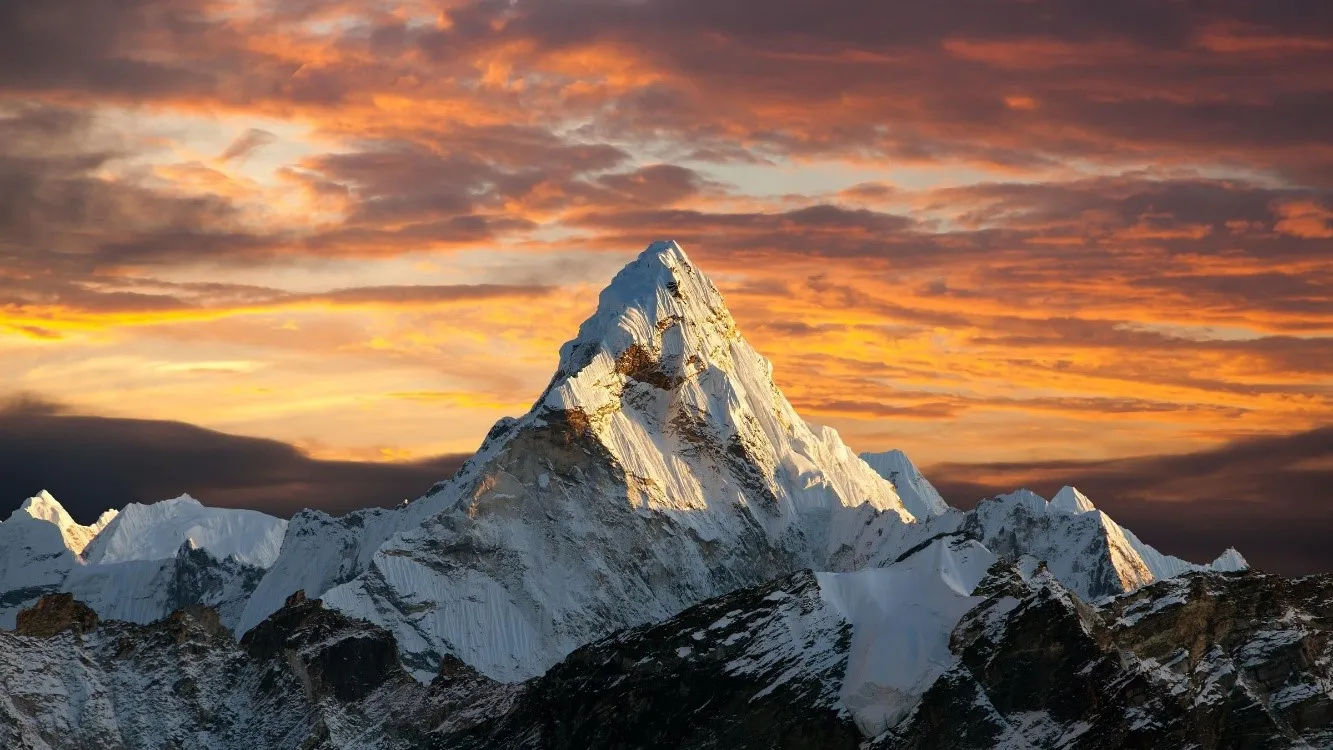
May 29 is celebrated around the world as International Everest Day. It was on this day in 1953 that New Zealander Edmund Hillary and Nepalese Sherpa Tenzing Norgay became the first people in history to climb the highest peak on Earth.
This holiday is not just about mountaineering. It is about courage, endurance, and people who are willing to go where no one has gone before. It is also about the vital role of the Sherpas, without whom most expeditions in the Himalayas simply would not have taken place.
International Everest Day was officially established in Nepal following the death of Sir Edmund Hillary in 2008. It was the Nepalese government that proposed designating May 29 as a special commemorative date. This is a very important day for the country, as Everest has long been not only a symbol of mountaineering but also an integral part of Nepal’s culture and economy.
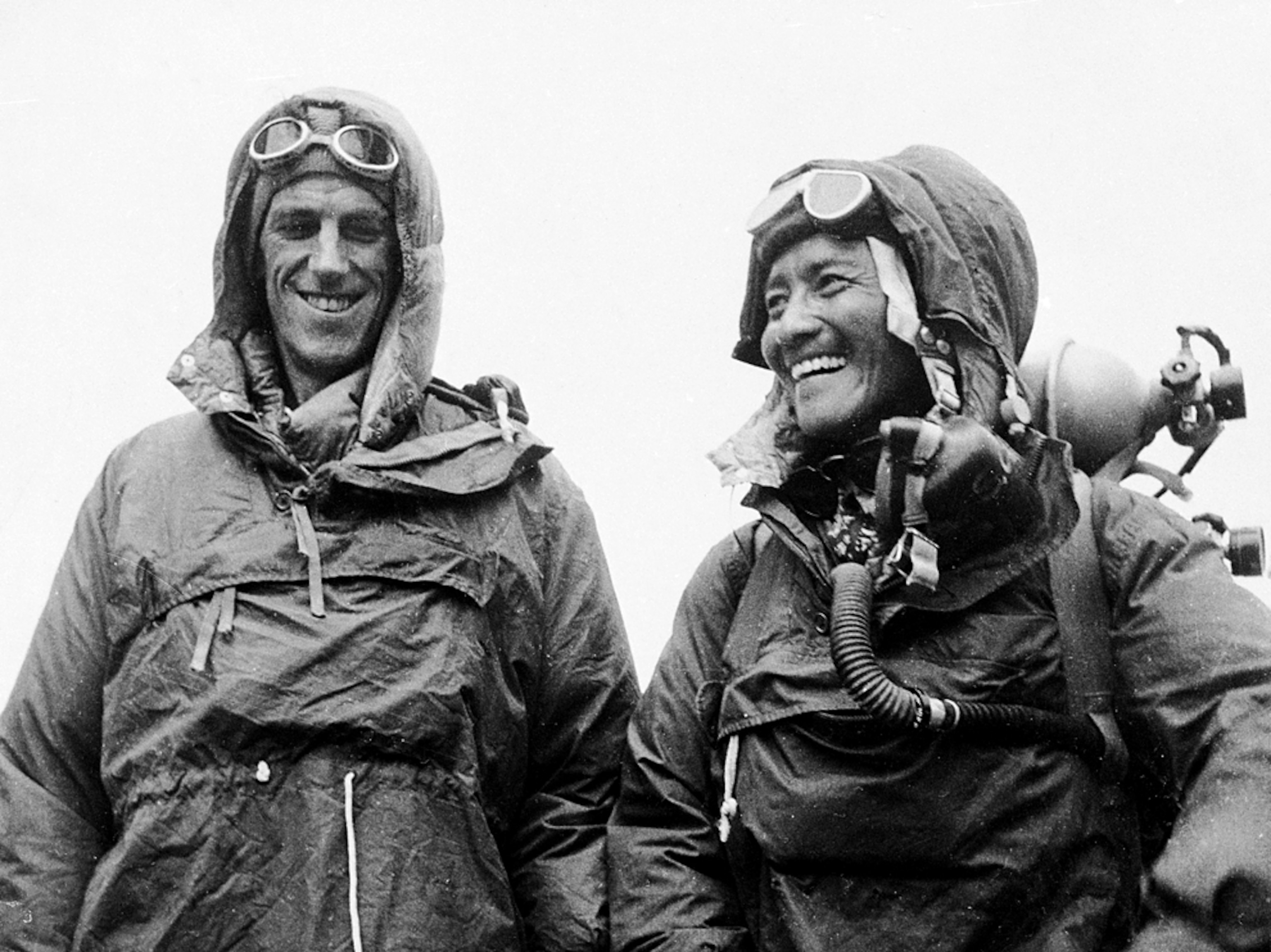
The date was not chosen by chance. It was on May 29, 1953, that Hillary and Tenzing Norgay reached the summit of Everest, which stands at 8,848 meters. At the time, this seemed almost impossible. Dozens of expeditions had tried to conquer the mountain before them, but all ended in tragedy, avalanches, or exhaustion. Their ascent became a global sensation. News of the conquest of Everest spread around the world in just a few hours. For many, it proved that human capabilities are far greater than they seem.
Why Everest Is Called a Special Mountain
Everest is the highest point on Earth. In Nepal, it is called Sagarmatha, and in Tibet, it is called Chomolungma. For local peoples, it is not just a mountain, but a sacred place with special spiritual power. Even today, climbing Everest is considered one of the most dangerous challenges in the world. Climbers face freezing temperatures, oxygen deprivation, strong winds, and the risk of avalanches. At high altitudes, the human body literally begins to break down by the hour.
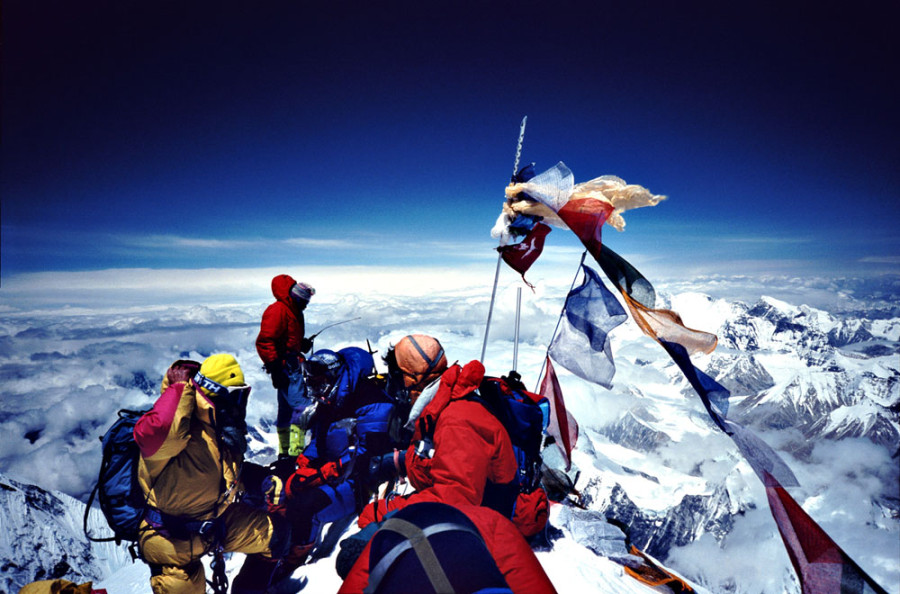
Despite this, hundreds of people from different countries set out for the mountain every year. For some, it is a lifelong dream; for others, a test of their own limits. But everyone agrees: Everest does not forgive mistakes.
How Everest Day Is Celebrated
This holiday is celebrated most extensively in Nepal. In Kathmandu, there are solemn ceremonies, mountaineer gatherings, exhibitions, and charity events. People recall the history of the first ascent and honor those who risked their lives in the mountains. Some events also take place near Everest Base Camp. Climbers, guides, and tourists gather there. Themed lectures, documentary screenings, and photo exhibitions are often organized.

One of the most famous events is the Everest Marathon. It is one of the most extreme races in the world. The route begins near base camp and follows mountain trails through the Himalayas. For participants, this is not just a sport, but a true test of endurance.
Sherpas and Their Role in Conquering the Summit
Special attention is paid to the Sherpas on this day. They are the ones who assist climbers during expeditions: carrying equipment, laying out the route, setting up ropes, and often rescuing people in critical situations. Without Sherpas, most ascents of Everest would simply be impossible. After conquering the summit, Tenzing Norgay became a national hero of Nepal and a symbol of courage for the whole world.
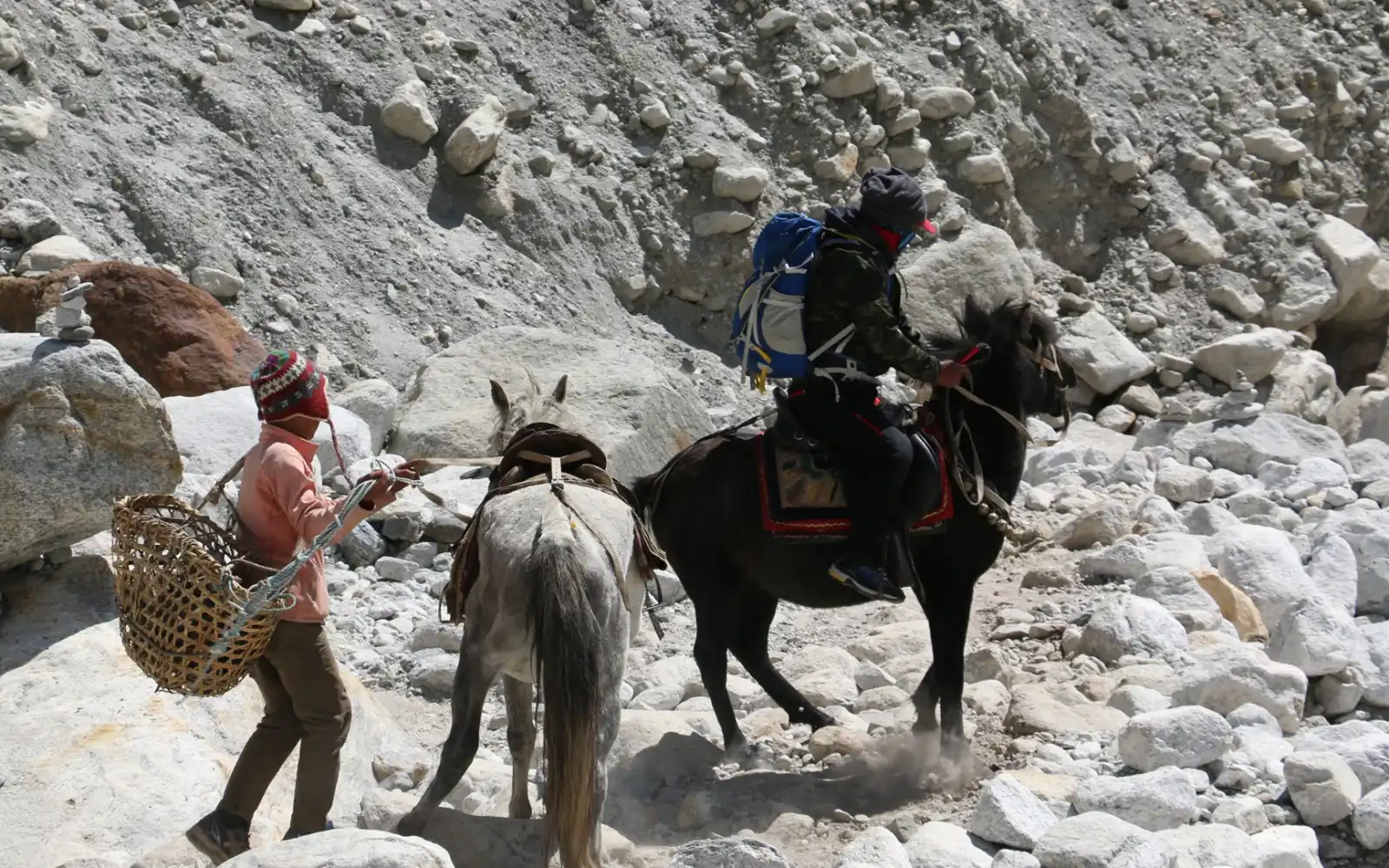
The Sherpas themselves treat the mountain with great respect. Before the climb, they perform special rituals and pray that the mountain will allow them to reach the summit and return alive.
Everest and Environmental Issues
As Everest’s popularity grew, so did its problems. Due to the huge number of expeditions, the mountain gradually began to turn into a place with a large amount of trash. Oxygen tanks, tents, packaging, and other equipment are left behind at high altitudes.

In recent years, Nepal has begun to crack down on the situation. Climbers are required to remove trash after their expeditions, and some teams even organize special cleanup efforts on the mountain. Environmentalists constantly remind us: Everest is not just a symbol of adventure, but also a very fragile natural environment that must be protected.
The Legacy of Edmund Hillary
After his historic ascent, Edmund Hillary did not simply become a famous mountaineer. He dedicated a significant part of his life to helping Nepal and the Sherpas. He founded the Himalayan Foundation, which built schools, hospitals, and roads in high-altitude villages. Thanks to his work, thousands of people gained access to education and healthcare.

In Nepal, Hillary is still considered a great man not only because of Everest but also because of his help to local communities. That is why International Everest Day is also a day to remember the man who changed the lives of many people in the Himalayas.
Interesting Facts About Everest
The first people to see the summit of Everest from an airplane were British pilots in 1933. Temperatures at the summit can drop below -40 degrees. At an altitude of over 8,000 meters, the so-called “death zone” begins, where the body critically lacks oxygen.
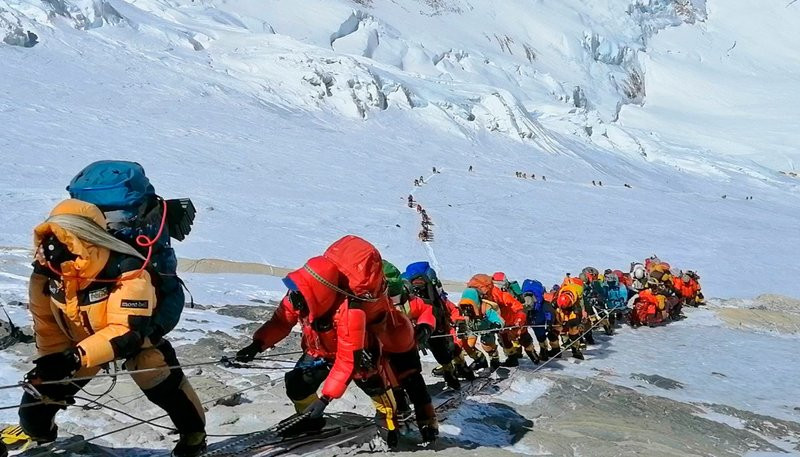
Over the decades, thousands of people have conquered Everest, but the mountain remains deadly dangerous. Due to the movement of tectonic plates, Everest grows slightly taller every year. International Everest Day serves as a reminder of just how strong the human will can be. But at the same time, it is a reminder of respect—for nature, for the mountains, and for the people who risk their lives every day amidst the snow and ice.


