
AP projects Pappas to win Democratic Senate primary in New Hampshire
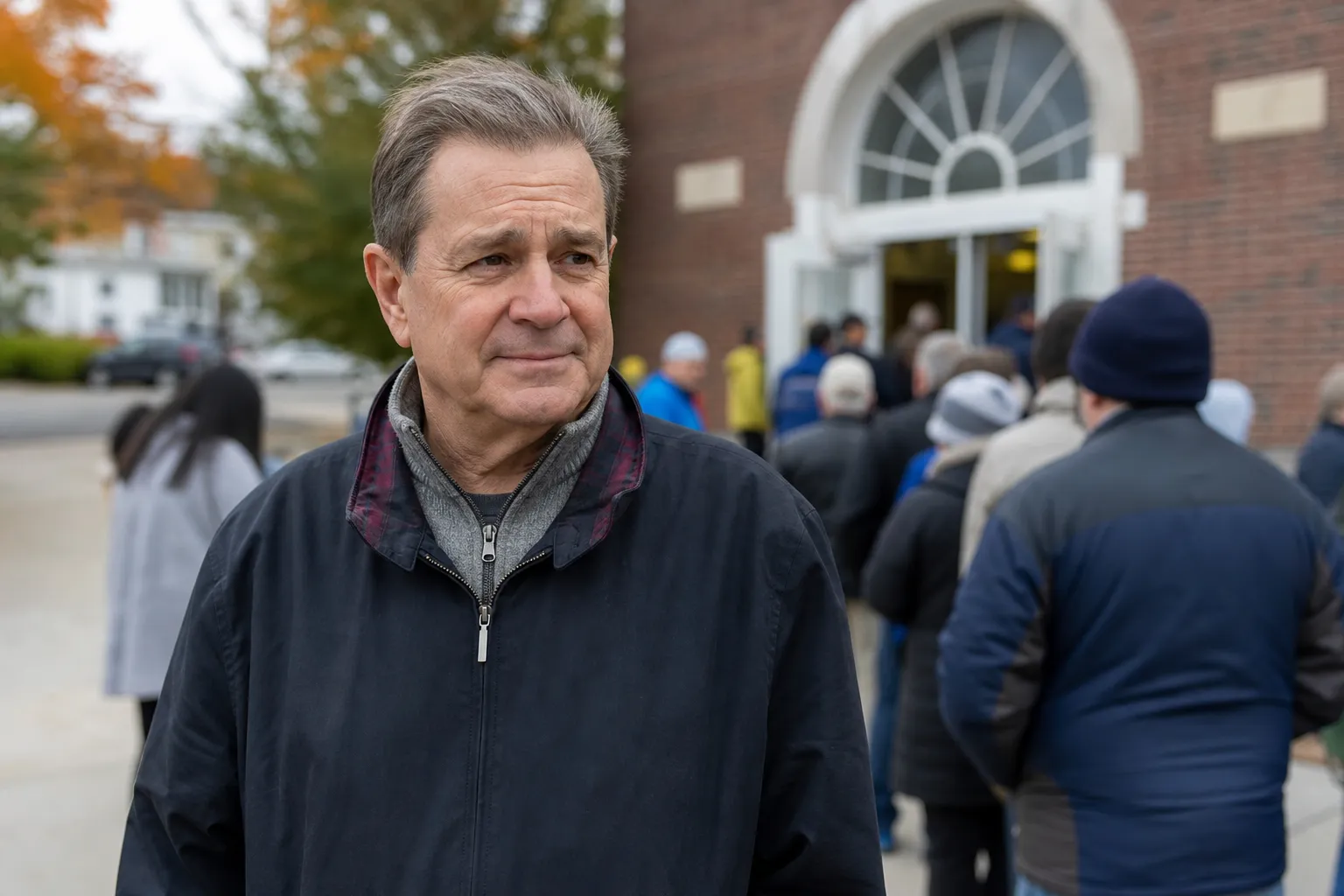
US Congressman Chris Pappas is winning the Democratic Party primary for nomination as a Senate candidate from New Hampshire, according to an Associated Press projection. About an hour after polling stations closed, AP called the race for him: Pappas had 61.9% of the vote, while his progressive opponent Karishma Manzur had 36.1%, with 22% of ballots counted.
Pappas has represented New Hampshire in the US House of Representatives for four terms. Speaking to supporters on Tuesday evening, he said the state's voters were ready for change and called for turning the page on the reckless leadership of US President Donald Trump, corruption and a “rigged economy.”
Fight for Shaheen's seat
If the result is confirmed, Pappas will become the Democrats' candidate in the November election. He is seeking to take the seat of Senator Jeanne Shaheen, who is not running for reelection after three terms. In the general election, he is expected to face former Republican Senator John Sununu, who was endorsed by Trump.
More current news is available on the UA.News Telegram channel Telegram.
Sununu was a US senator from 2003 to 2009 and before that served three terms in the House of Representatives. During the campaign, Pappas and Manzur, among others, criticized Israel's leadership. The issue of Israel and the American Israel Public Affairs Committee, AIPAC, was also prominent in other Democratic primaries in the state, reports the Jerusalem Post.
House of Representatives primaries
In New Hampshire's 2nd congressional district, AP also projected incumbent Congresswoman Maggie Goodlander to defeat state legislator Paige Boshman. At the time of the projection, Goodlander had 79.7% of the vote compared with Boshman's 20.1%, with 16% of ballots counted.
In the 1st district, no winner had been determined at that time: city council member Stephanie Shaheen and former US Marine Corps captain Maura Sullivan were running nearly even. Shaheen and Boshman accused their opponents of receiving money from AIPAC through donations from donors who also funded the organization. Sullivan and Goodlander denied these claims, saying they had not received money from AIPAC.


