
Australia will modernize its diesel submarines while awaiting its nuclear fleet
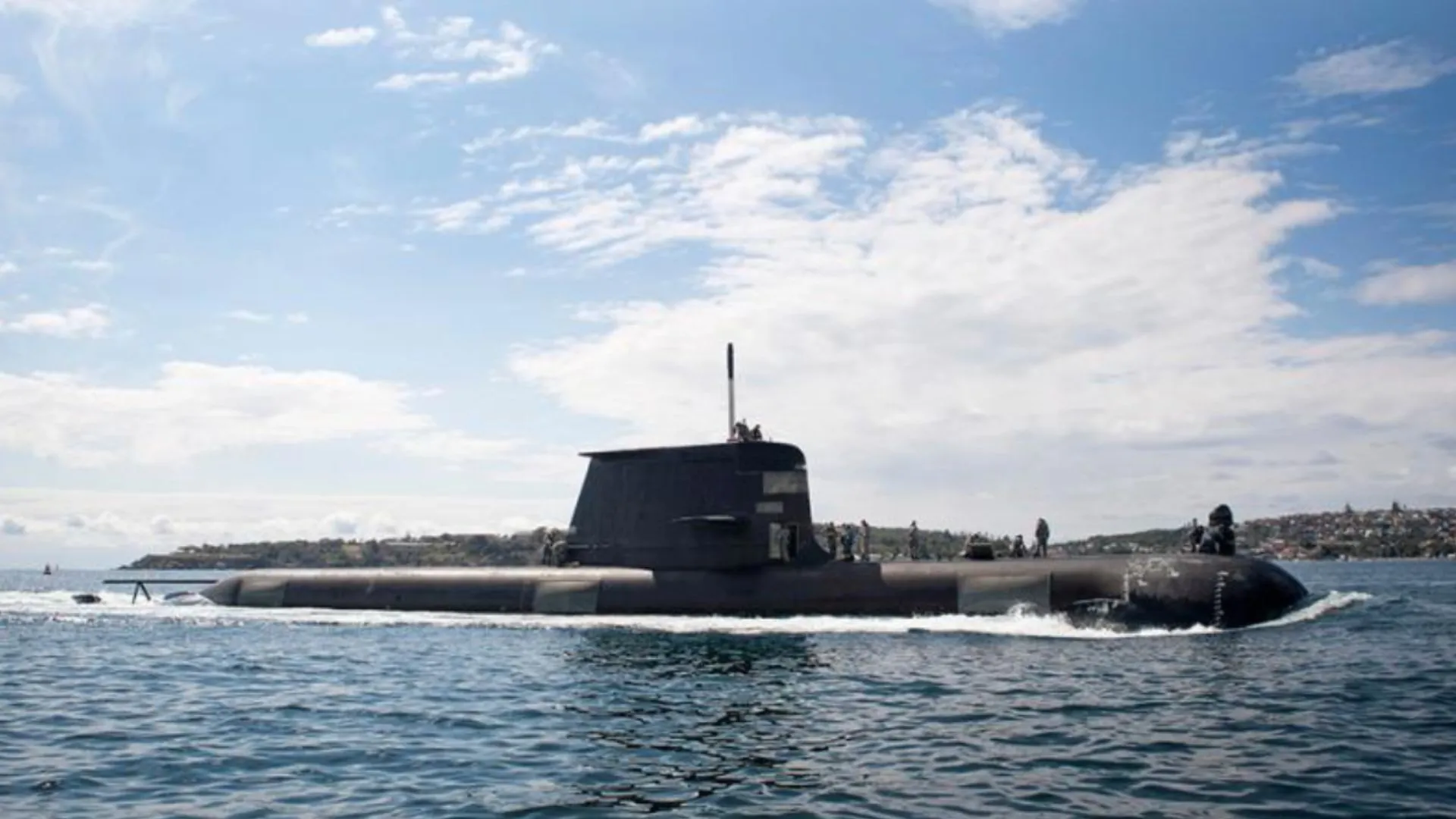
In late May, the Australian Department of Defence will begin a major modernization of its existing Collins-class diesel-electric submarines. The service life of the six 3,100-ton vessels, originally designed for thirty years of service, will be extended by another decade.
This was reported by Interesting Engineering. The first submarine to undergo the upgrade will be HMAS Farncomb, which will remain in service until 2036 as a result.
The government has abandoned plans to completely replace the diesel engines and power plant generators, as a preliminary review confirmed the feasibility of safely refurbishing the existing original components. Defense Minister Richard Marles noted that the program will reduce engineering risk by maintaining existing systems while simultaneously modernizing weapons and combat systems. According to the plan, three submarines will be in service, and two will be constantly ready for combat missions, with the first overhaul lasting about two years.
The program’s cost for the next decade has risen to $11 billion due to the inclusion of previously unanticipated work. This move follows the decision to abandon the French Attack-class submarine project in favor of transitioning the fleet to nuclear submarines under the AUKUS pact. Under these agreements, Australia expects to receive its first U.S. Virginia-class nuclear submarine in 2032, the second in 2036, and the third around 2040, after which it plans to build five more nuclear submarines at its own shipyards.
The United States will increase the number of submarines and personnel near Australia under the AUKUS pact within two years. The reason is the growing military threat from China.
Australia successfully conducted the first launch of the American Tomahawk cruise missile. It became the third country in the world, alongside the United States and the United Kingdom, to acquire and launch this type of missile.


