
Nation Kenya columnist proposes IEBC use data from past elections
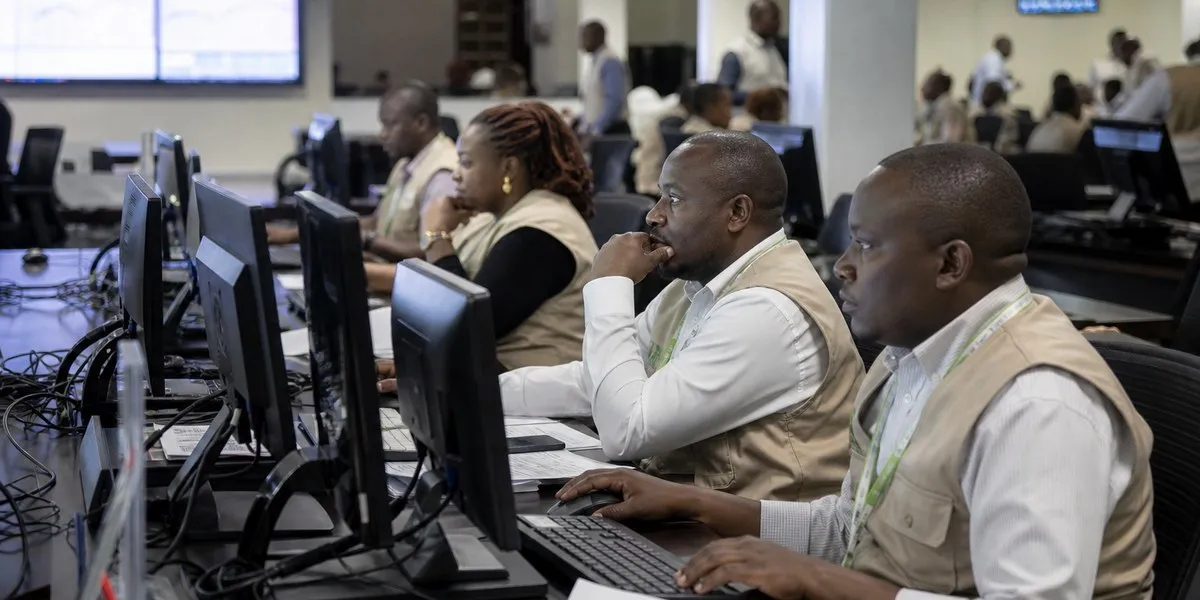
In Kenya, a columnist for Nation Kenya proposed that the Independent Electoral and Boundaries Commission (IEBC) use data from previous elections to plan voting and reduce organizational problems. In his view, accumulated election information could make the process more efficient, transparent and less costly.
Forecasting queues and disruptions
As the author notes, the IEBC has a significant body of data: voter registration and turnout statistics, polling station activity, result transmission logs, logistics reports, election budgets, data on the involvement of security forces, election disputes and demographic trends.
According to the author, this information can be used to forecast turnout at each polling station, the times of the largest influx of voters, and the need for additional staff or materials. Such an approach would make it possible to distribute ballots, voting booths, personnel and voter information teams not according to general estimates, but on the basis of historical data.
More current news is available on the UA.News Telegram channel Telegram.
Logistics and result transmission
The author also proposes using predictive analytics to identify polling stations where delays in the electronic transmission of results may arise because of weak network coverage or previous communication problems. Separately, in his view, it would be possible to identify constituencies with recurring logistical difficulties or election disputes in advance.
Machine-learning models, the author believes, can identify recurring problems with the delivery of materials, transport, access to polling stations and shortages of necessary resources. This could help the IEBC deliver materials earlier and strengthen logistical support where it is most needed.
The article emphasizes that the analysis of historical data is not intended to predict the winner of an election. It concerns checking unusual changes in election indicators, voter registration or administrative records before questions arise about trust in the electoral process.


