
Premium Times Nigeria author describes waste-to-energy plant in Hangzhou
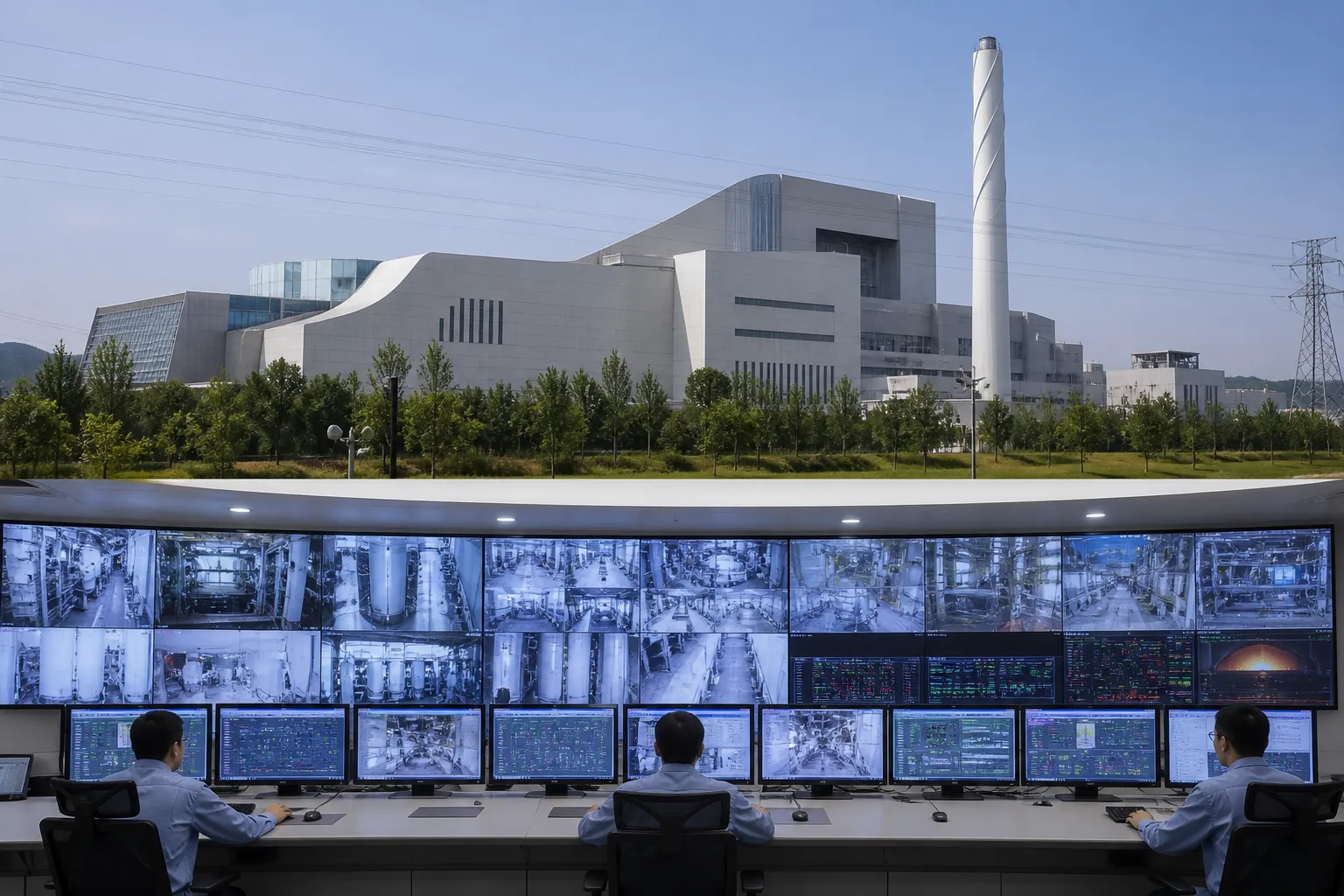
An author for Premium Times Nigeria, after visiting the Jiufeng waste incineration plant in Nanfeng village, Yuhang District, Hangzhou, described how the facility combines waste disposal, energy production and digital control of technological processes.
According to the author, the plant is also arranged as an educational and tourist space: it has a 3D cinema, an observation corridor and a café overlooking the furnace. The facility publicly displays emissions indicators which, as claimed in the column, are designed to exceed the strict requirements of the European Union.
Waste processing and energy
Slag remaining after incineration is processed at the plant into eco-friendly bricks and materials for road bases. Fly ash is stabilized with chelating agents, after which it is safely disposed of or used in cement production.
The heat generated during incineration is converted into electricity for tens of thousands of households. Excess steam is supplied to nearby enterprises for industrial use. The column states that only a small share of inert residues ends up in landfills.
More current news is available on the UA.News Telegram channel Telegram.
Digital control
The facility uses a centralized distributed control system, DCS, which displays data in real time and controls the main stages of operation. Artificial intelligence-supported systems adjust oxygen levels, temperature and waste feed for stable incineration.
The plant also continuously monitors emissions of dioxins, sulfur dioxide and particulate matter and transmits the data to local environmental authorities. Cranes used to mix waste from different bunkers operate largely automatically, while operators monitor them from the control room and can switch to manual control if necessary.
Trade in Yiwu
After Hangzhou, the trip participants visited the city of Yiwu, home to Yiwu International Trade City. As the author noted, the trade center has about 75,000 retail outlets offering more than 2.1 million types of small commodities, and the market trades with more than 230 countries and regions.
The author also described Yiwu's night market, where sellers and buyers without a common language used calculators to bargain and translation apps to communicate. At the Yiwu Global Digital Trade Centre, according to data cited in the column, around 30,000 traders use artificial intelligence every day to create multilingual promotional videos and make international payments through Yiwu Pay.


