
In Brazil, data centers have become an issue in the presidential race — The Japan Times
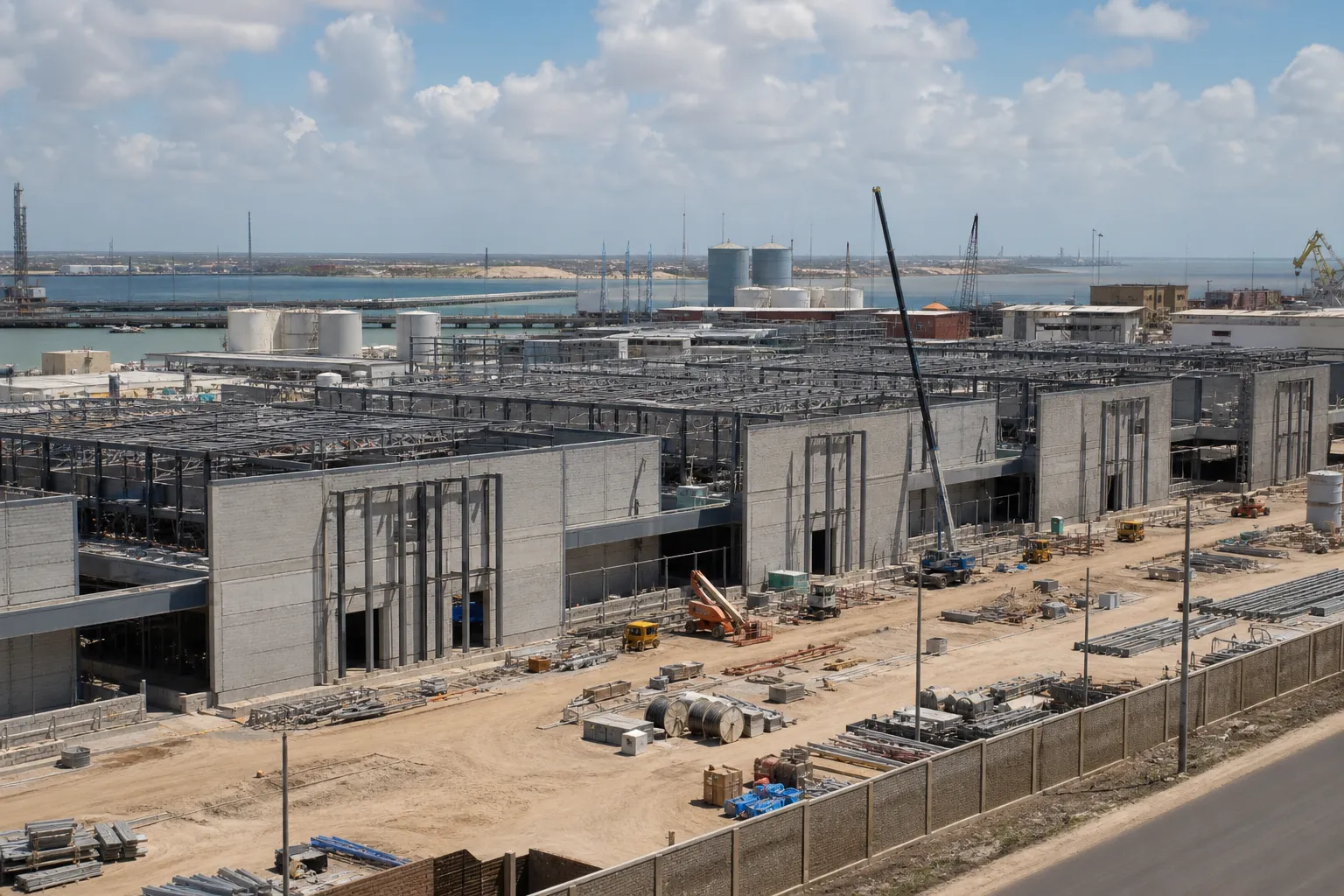
Brazilian President Luiz Inácio Lula da Silva and his right-wing rival Flávio Bolsonaro have made attracting investment in data centers and artificial intelligence one of the issues in the presidential election due to take place in October. Both politicians support tax incentives for such projects, seeking to strengthen Latin America’s largest economy.
As The Japan Times reports, Brazil’s Senate on Tuesday approved the Redata bill, which cuts taxes on IT equipment for data centers. The legislative initiative could accelerate major projects, including the development of the $65 billion Rio AI City in Rio de Janeiro.
Tax incentives for investors
Lula da Silva said Brazil could receive a significant inflow of funds for the construction of data centers. He links this policy to technological sovereignty, job creation and an inflow of foreign investment. Flávio Bolsonaro also supported lowering taxes on imported computer chips and equipment to make such projects more attractive.
States and municipalities from Rio de Janeiro to Ceará are competing for investment from major U.S. and Chinese technology companies. Brazil aims to become a regional hub for artificial intelligence computing capacity, competing with Argentina and Chile, which also offer incentives to investors and are developing infrastructure.
More current news is available on the UA.News Telegram channel Telegram.
Energy and political uncertainty
Despite the favorable attitude toward the industry, Brazil needs to expand electricity transmission networks to supply wind and solar power to data centers. The country is already curtailing excess renewable energy generation and has a significant number of planned green projects.
Elea Data Centers, controlled by I Squared, expects to accelerate Rio AI City after the elections in Brazil and the U.S. midterm elections. Its founder and chairman, Alessandro Lombardi, said companies may be more cautious about making high-profile investment commitments during a political campaign. Elea plans to begin construction of the 1.5 GW project this year.
According to a forecast by British consulting company Aurora Energy Research, data center capacity in Brazil will increase more than fourfold to over 4 GW by the early 2030s. Power system operator ONS expects the average electricity demand of such facilities to reach 5.7 GW by 2030.


