
Daily Maverick columnists say control over South Africa’s food system is concentrated
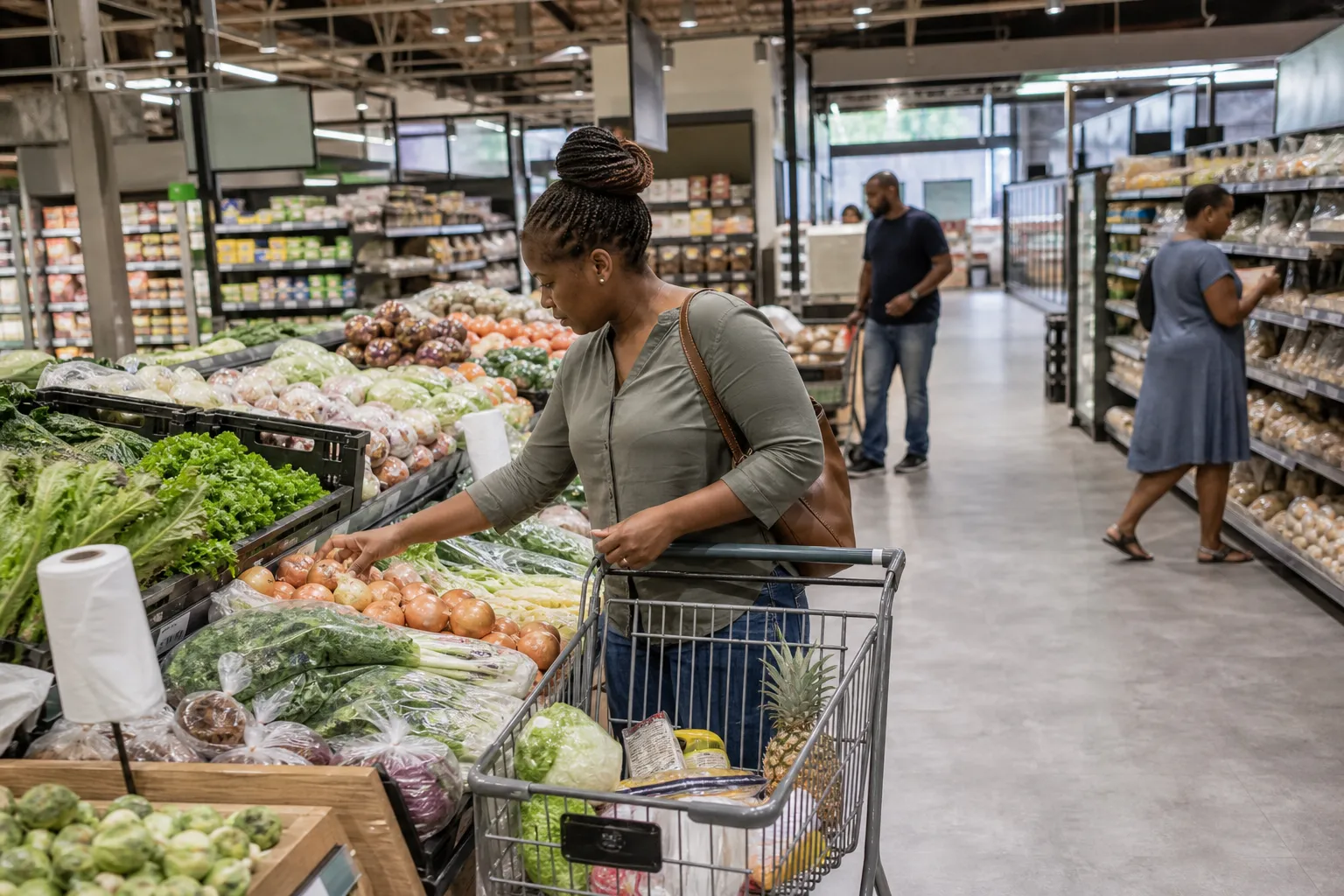
In South Africa, millions of people’s access to sufficient and nutritious food is limited not by a lack of national production, but by the concentration of influence among corporations, financial institutions, infrastructure operators and digital platforms. This assessment was presented by the authors of an opinion column based on research by the African Centre for Biodiversity, published by Daily Maverick.
As stated in the column, South Africa has sufficient national food production, developed agriculture, a food industry, logistics and a supermarket network. At the same time, hunger, malnutrition, skipped meals and anxiety over food shortages remain everyday occurrences for millions of the country’s residents.
Control at supply stages
According to the authors, a small number of companies hold key positions in seed production, agrochemicals, fertilizers, grain storage, logistics, processing and retail. Participants named in these segments include Bayer, Corteva, Syngenta, Sasol, Omnia, Afgri, Senwes, Tiger Brands, PepsiCo/Pioneer Foods, Nestlé, Shoprite, Pick n Pay and Woolworths.
Farmers may depend on patented seeds, chemicals, machinery, credit, access to silos and buyers, the authors argue. Small processors, in their assessment, find it difficult to obtain raw materials, financing, certification and shelf space in retail chains. Informal vendors, meanwhile, often operate without the infrastructure, protection and state support available to formal retailers.
More current news is available on the UA.News Telegram channel Telegram.
The column separately mentions Woolworths’ planned deal to acquire 100% of food producer in2food. The company produces private-label goods, fresh produce, shelf-stable products and baked goods, and its annual revenue exceeds 5 billion rand. Woolworths Foods is already in2food’s largest customer. The deal was registered as major merger 2026MAR0036; at the time the column was written, it was under consideration by the competition authority.
Digital services and food safety
The authors also point to the growing role of digital services in the food sector. In their view, supermarket loyalty programmes and delivery services may facilitate personalised offers, customer profiling and pricing strategies, and affect supplier visibility. Under conditions of market concentration, digitalisation can, the authors believe, increase the dependence of farmers, vendors and consumers on large companies.
The article stresses that the discussion of food safety should not turn into blaming migrants or informal traders. The deaths of children in Naledi, Soweto, following reports of contact with terbufos, in the authors’ view, exposed problems with the regulation of hazardous pesticides, environmental monitoring and the work of municipal services.




