
SkyTruth estimates oil slicks in the ocean at 1.6 million km² — Mongabay
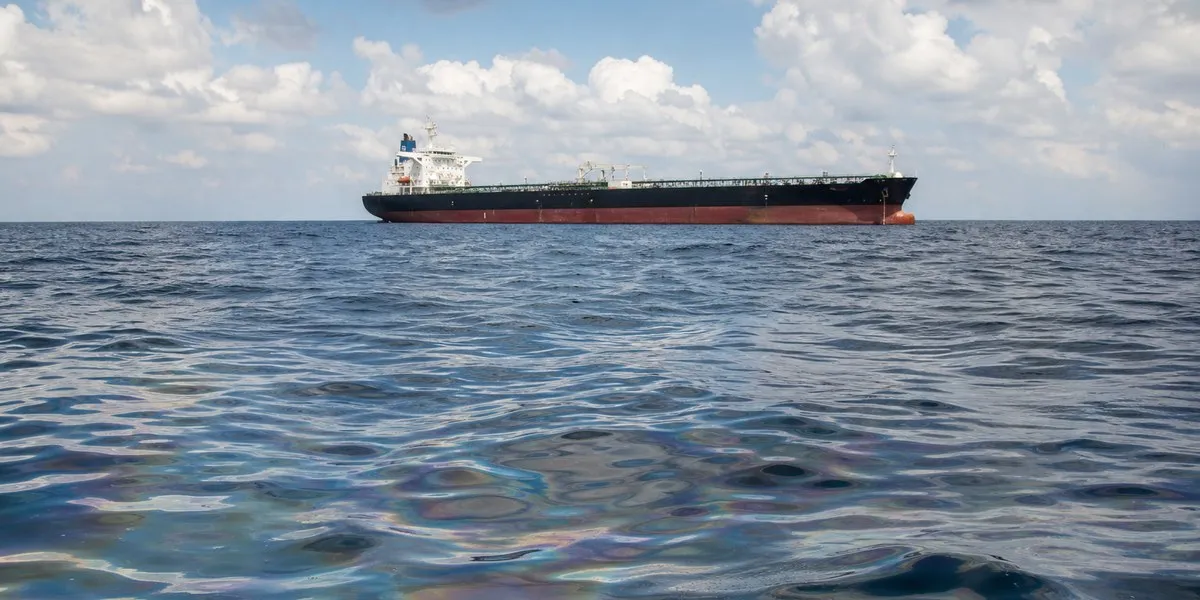
Oil slicks from vessels and offshore oil infrastructure cover about 1.6 million km² of the World Ocean’s surface each year—an area slightly larger than Mongolia. This estimate was released by the U.S. nonprofit organization SkyTruth, which analyzed pollution from 2023 to 2025 using satellite imagery, machine learning and vessel-tracking data, Mongabay reports.
Vessels identified as the main source
According to SkyTruth’s model, vessels accounted for 81% of the total area of oil slicks, mainly cargo ships and tankers. Another 18% of the area was linked to oil infrastructure, including offshore platforms.
A significant share of pollution from vessels, according to the organization, comes from bilge water—a mixture of oil and water that accumulates at the bottom of a ship’s hull during operation. Tankers also sometimes wash cargo holds and discharge crude oil residues into the sea.
The report states that most such discharges are illegal under the international MARPOL convention. The document, adopted in 1973, permits the discharge of bilge water only if it contains no more than 15 parts of oil per million parts of water.
More current news is available on the UA.News Telegram channel Telegram.
Most confirmed slicks found in Indonesian waters
In Indonesian waters, SkyTruth recorded 823 confirmed oil slicks—the highest number in the report. Malaysia recorded 214 such slicks. Both countries border the Strait of Malacca, one of the world’s busiest shipping routes.
The organization also flagged 20 vessels as repeat polluters, but was able to find ownership data for only nine of them. Two vessels belonged to Indonesia’s PT Waruna Nusa Sentana, while another two belonged to Nigeria’s Sea Transport Services Nigeria Ltd. The companies did not respond to Mongabay’s requests for comment before publication.
SkyTruth CEO John Amos said the global estimate is likely understated. According to him, a vessel that keeps oil waste on board must divert from its route to a port with proper disposal facilities, which is expensive: a day at sea for a large cargo vessel can cost tens of thousands of dollars or more.




