
Banks in Belarus, Kazakhstan, and Kyrgyzstan have sharply raised their fees on Russian rubles
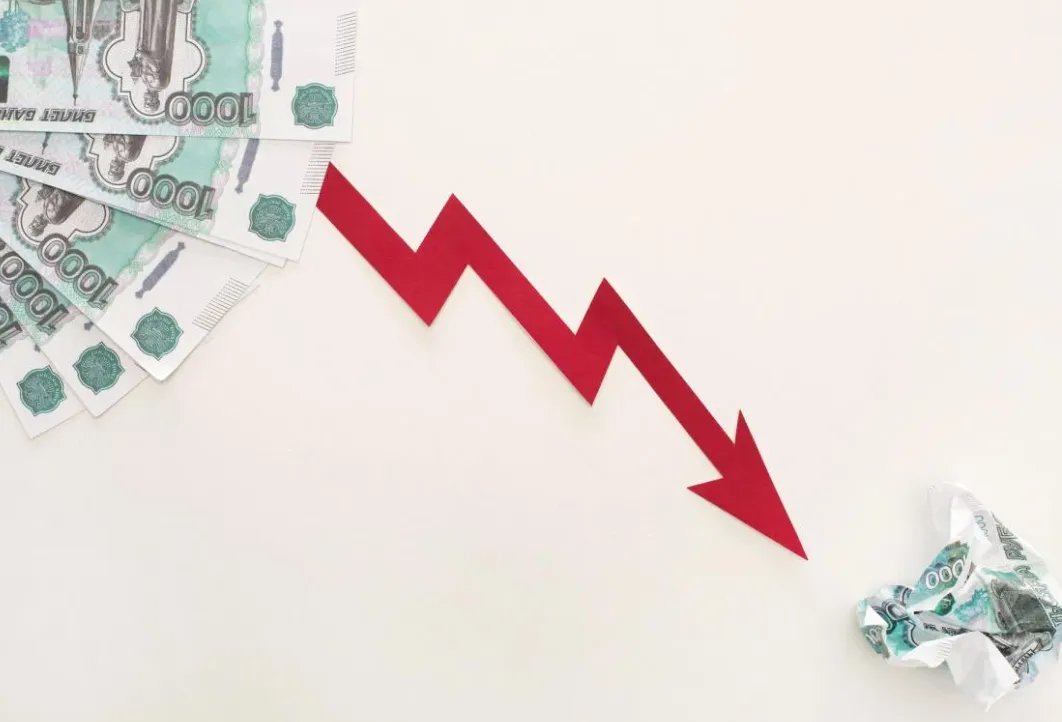
Banks in the Eurasian Economic Union are tightening the terms for transactions involving Russian rubles amid a significant surplus of cash.
Belarusian banks have imposed the strictest restrictions. In particular, Neo Bank Asia has set a 20% fee for depositing Russian rubles in cash into individual accounts. Other major banks in Belarus have raised the fee for non-residents to 15%, up from the previous 2–5%.
In Kazakhstan, Bank CenterCredit increased the fee for depositing cash rubles from 5% to 10%. Halyk Bank had previously raised it to 15% for individuals and to 10% for businesses.
In Kyrgyzstan, Ekoislamikbank doubled the fee for depositing rubles used for transfers via money transfer systems and SWIFT—to 10%.
Banks in the EAEU countries began tightening their terms as early as June. In August, certain banks in Kazakhstan and Belarus also introduced new fees.
The reason cited is a surplus of Russian rubles in cash. Banks face costs associated with storing, transporting, and verifying the currency, while demand for the ruble outside Russia remains limited.
According to the National Bank of Kazakhstan, in April alone, the country’s currency exchange offices purchased 6.5 billion Russian rubles, worth approximately $77 million. In May, the volume decreased to 4.7 billion rubles.
As a result, handling large volumes of Russian cash is becoming increasingly unprofitable for banks.
In Russia, there is a trend toward staff reductions in various sectors, including IT, healthcare, logistics, manufacturing, retail, consulting, and other business services.
The Russian Ministry of Finance forecasts a sharp increase in regional budget deficits to $21 billion.


