
The Middle East is bracing for a grain rush following the opening of the Strait of Hormuz
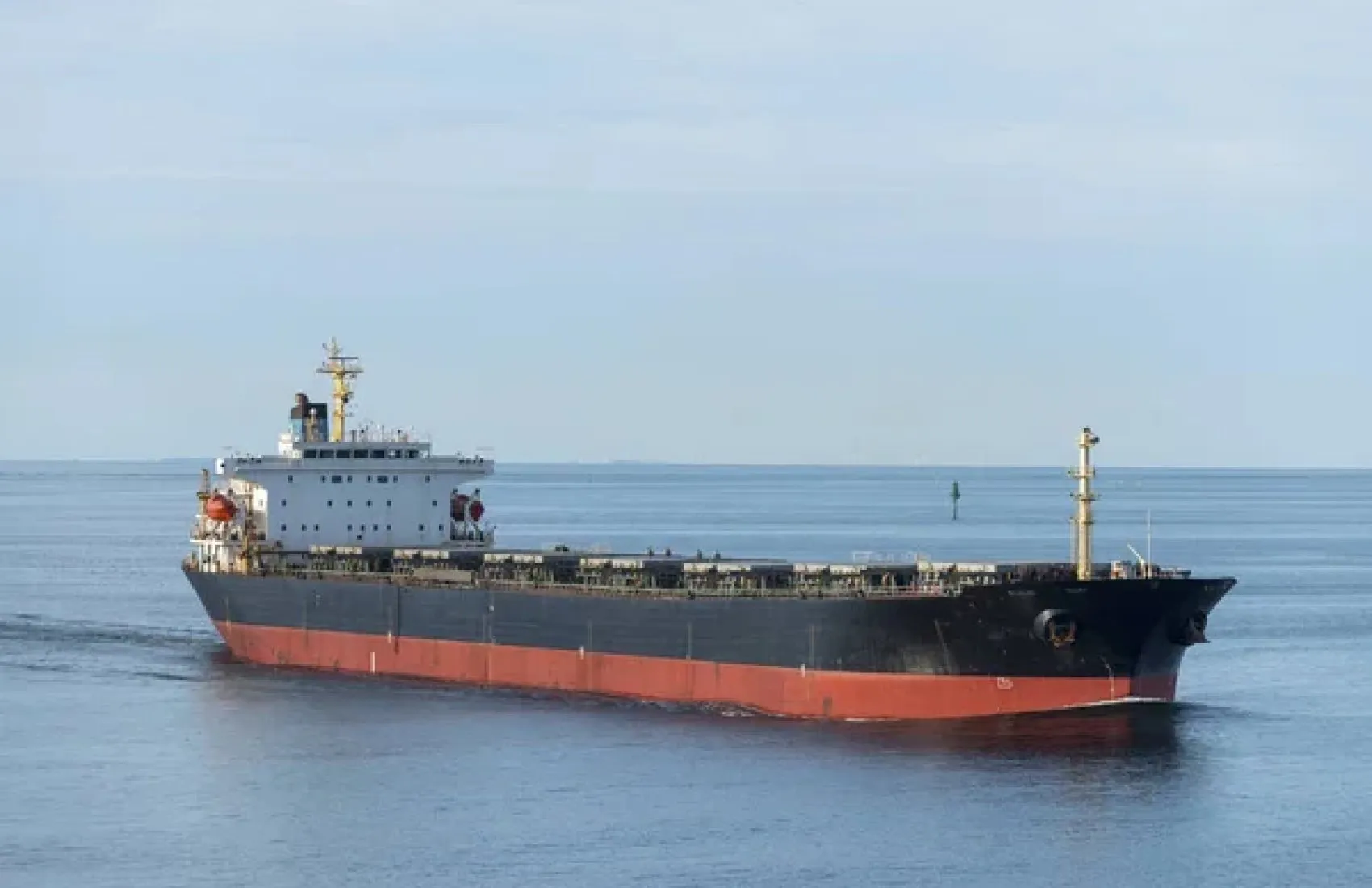
Following the agreement between the U.S. and Iran to reopen the Strait of Hormuz, markets are expecting a sharp surge in demand for grain from Middle Eastern countries. Analysts predict that the region will begin actively replenishing food stocks, which had been limited due to logistical difficulties.
Global markets are closely monitoring the situation around the Strait of Hormuz, through which one of the key trade routes for the supply of energy resources and food to the Persian Gulf countries passes. Following the announcement of an agreement between the U.S. and Iran to reopen the strait, Bloomberg analysts predict a sharp rebound in grain imports to the region.
Middle Eastern countries have traditionally been among the most dependent in the world on external food supplies, as approximately 90% of their food is imported from abroad. Due to previous logistical restrictions, the region was forced to use longer routes, which increased shipping costs and posed risks to the stability of food supplies.
Why the reopening of the strait changes the situation
The Strait of Hormuz is a strategic chokepoint through which a significant portion of the region’s maritime trade passes, and its reopening effectively restores normal supply routes for grain shipments. According to Bloomberg, this could trigger a wave of active purchasing, as importers will seek to quickly replenish depleted stocks.
This is particularly true for the region’s major ports and logistics hubs, including Jebel Ali in the UAE, Dammam in Saudi Arabia, and Bandar Imam Khomeini in Iran, which play a key role in the distribution of imported grain.
Logistical Pressure and Potential Delays
Despite the expected easing of trade, experts warn that the market will not return to normal immediately. The large number of ships that have accumulated during the restrictions could create congestion in ports and overload logistics hubs.
Analysts at Clarksons note that in the initial phase of the strait’s reopening, the market will face organizational challenges, as infrastructure must adapt to a sharp increase in shipping volumes.
Ultimately, the reopening of the Strait of Hormuz could trigger a new cycle of global agricultural activity, in which the Middle East will once again play the role of one of the world’s leading grain importers. This is reported by Bloomberg.
Netanyahu Calls the Peace Agreement Between the U.S. and Iran “Appalling”
The U.S. will lift oil sanctions on Iran and provide $300 billion for the country’s reconstruction — Mehr


