
Brussels bans trade in Russian LNG even outside the EU
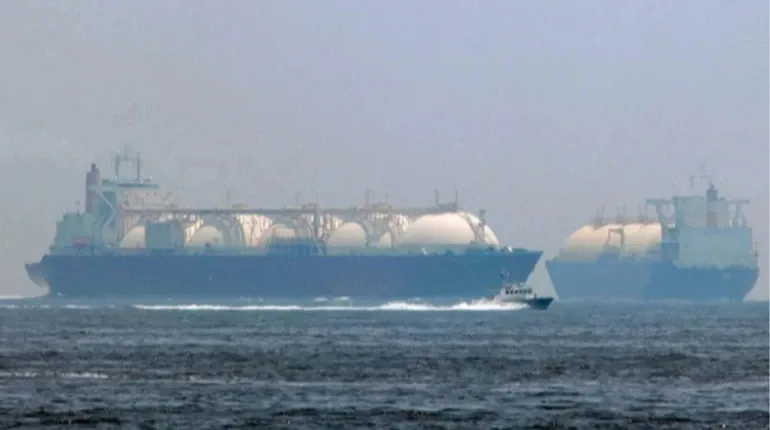
The European Union has confirmed its intention to completely ban imports of Russian liquefied natural gas starting in 2027, as well as to restrict its resale even to third countries. The new rules apply to EU companies and significantly restrict the trade in Russian LNG. The decision is part of the EU’s energy decoupling from Russia following the outbreak of full-scale war against Ukraine.
The European Union has officially confirmed the tightening of restrictions on Russian liquefied natural gas, cementing its course toward a complete phase-out of imports starting in 2027 while simultaneously expanding bans on European companies’ participation in any transactions involving this resource, even outside the EU itself.
Reuters reports this, citing a letter from the office of European Commissioner for Energy Dan Jørgensen, which explicitly states that the new rules block not only supplies to Europe but also trade in Russian LNG in third countries. “The new rules prohibit companies from trading in Russian LNG or selling it in third countries, as it does not matter whether the Russian LNG is intended for the EU or not,” states the document, dated June 1.
In effect, this means that European companies will lose the ability to act as intermediaries in the resale of Russian gas, a practice that previously left a certain “gray area” for the market even amid sanctions pressure.
At the same time, some EU energy companies with long-term contracts with Russia are already expressing uncertainty regarding the interpretation of the new rules, as they overlap with existing sanctions and create legal risks regarding the shipment of cargo outside Europe. “The transport of Russian LNG by EU operators, regardless of the final destination, is prohibited under the LNG ban,” the letter states.
The European Commission has not yet provided additional comments clarifying the new regulations, which have already sparked debate among traders and energy companies. According to Reuters, the EU imported nearly 15 million metric tons of LNG from Russia’s “Yamal LNG” project last year, and volumes could increase this year, despite the general policy of reducing dependence on Russian energy resources.
Major European companies, including TotalEnergies, SEFE, and Naturgy, remain key buyers of Russian LNG; they have long-term contracts and now face the need to adapt to the new EU restrictions, Reuters reports.
Alexei Zhuravlev, first deputy chairman of the Russian State Duma’s Defense Committee, stated the need to destroy railway stations, bridges, and tunnels in Ukraine to block all logistics, and also called for a large-scale operation to advance occupation forces to the Dnipro River and capture Kyiv.


