
The Czech Republic reports a sharp decline in participants in the defense initiative
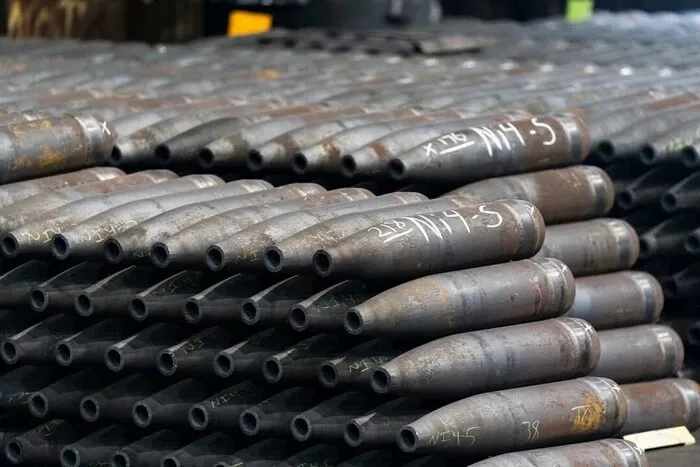
The number of countries funding the Czech initiative to supply ammunition to Ukraine has nearly halved, which is already beginning to affect the program’s stability. Despite this, Ukraine still receives up to half of its large-caliber shells through this mechanism, which remains critically important for the front lines. This is reported by the Financial Times.
The Czech initiative to raise funds for the purchase of artillery ammunition for Ukraine has begun to lose the support of its European partners, and this has occurred against the backdrop of political changes in the Czech Republic itself, where Andrej Babiš’s new government has revised its approach to foreign spending and prioritized the country’s domestic needs, which has automatically impacted international defense programs.
Czech President Petr Pavel confirmed that while 18 countries had previously joined the initiative, only about nine remain now, and although the mechanism continues to operate, its financial base has significantly shrunk, creating risks for the stability of ammunition supplies, which play a key role in supporting the Ukrainian army on the front lines.
According to Pavel, it is through this program that Ukraine receives up to half of all large-caliber shells coming from allies, so any reduction in participants immediately has a significant impact on the pace of supply and the overall logistics of military aid.
He also noted that since 2024, Prague has coordinated the delivery of over four million artillery shells; however, the initiative’s future is now the subject of political debate and may be discussed at the NATO summit, where allies will seek to establish a new framework for support.
Meanwhile, former Prime Minister Andrej Babiš explains the shift in position by stating that the country is forced to focus its resources on domestic challenges, particularly high energy prices for the population, and also criticizes the program over issues of spending transparency and the involvement of private defense companies in procurement schemes.
Representatives of the Czech defense industry, particularly the management of Czechoslovak Group AS, acknowledge that the change in government has already led to a temporary slowdown in processes and legal disputes that have delayed the program’s implementation by several months, although the ultimate impact on supply volumes remains uncertain, as some countries have begun seeking alternative channels to purchase ammunition directly from manufacturers.
The Czech Republic is considering the sale of Explosia, the state-owned manufacturer of explosives and ammunition, and the proceeds could be directed toward defense investments.
The Czech Foreign Minister met with the Ukrainian ambassador and plans to speak with Sibiga.
The Czech Foreign Minister plansto meet with the Ukrainian ambassador in response to Okamura’s statements.


