
The deployment of Typhon missiles in Japan has raised concerns in China
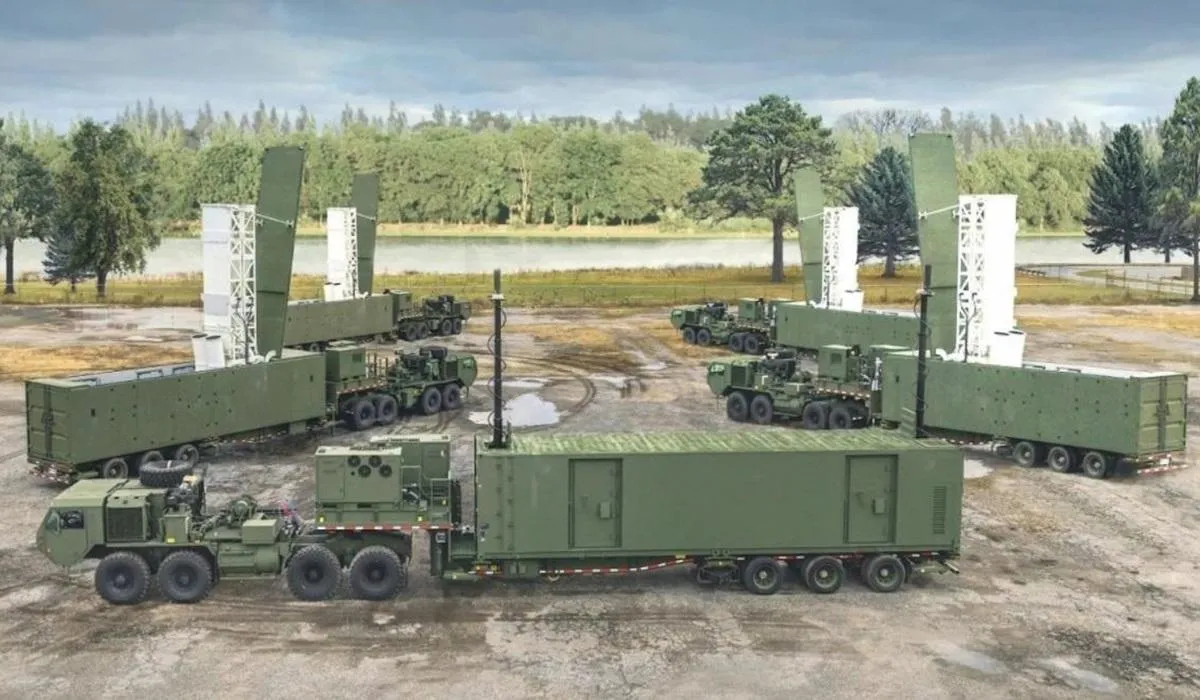
The deployment of U.S. Typhon missile systems in Japan could create a new source of tension in the Asia-Pacific region, as China has already raised concerns about a potential threat to its territory and maritime routes. This refers to the possible deployment of the system during joint U.S.-Japan exercises. Analysts warn that this could shift the balance of power in the region, according to the South China Morning Post (SCMP).
The situation surrounding the security architecture in Asia is escalating again following reports of U.S. plans to deploy the Typhon medium-range missile system in Japan, which, according to Chinese experts, could significantly affect the military balance in the region and increase tensions among key players.
According to the South China Morning Post, citing analysts, the deployment of such systems in southwestern Japan during joint exercises between U.S. and Japanese Self-Defense Forces is viewed in Beijing as a potential direct threat to China’s coastal regions and strategic maritime routes in the Pacific Ocean. “The deployment site is relatively close to mainland China. If cruise missiles with a certain level of launch capability are deployed there, this will pose a threat to relevant Chinese (ground-based) targets,” said Fu Qianshao, a military analyst from Beijing.
According to the publication, the Typhon launchers are planned to be deployed at the Kanoya Air Base in Kagoshima Prefecture, which geographically brings them closer to the Chinese coast, and this is precisely what causes the greatest concern among Chinese military experts, who view such a deployment as a deterrent by the U.S.
At the same time, alongside the increase in military activity in the region, Japan and the U.S. continue to develop technological cooperation in the field of hypersonic systems, particularly in testing a ramjet engine for aircraft capable of reaching speeds of up to Mach 5.
As part of this research, tests were conducted at the Kakuda Space Center under conditions as close as possible to actual hypersonic flight, where the performance of control systems, thermal protection, and electronics—which must withstand extreme temperatures of up to 1,000 degrees—was evaluated.
Experts note that such rapid development of defense technologies in the region only intensifies strategic competition between the U.S. and China, turning the Asia-Pacific region into one of the key flashpoints of global geopolitical confrontation.
Japan has sent a delegation of high-ranking officials to Russia to maintain communication channels between the countries.
Japan wants access to the most powerful AI to protect against hackers.
Alphabet and Elon Musk’s company have begun discussions on cooperation to launch rockets to deploy artificial intelligence data centers directly in space.
Japan is replacing people with robots on a massive scale due to the demographic crisis.


