
The days of cheap oil are over; the world is facing new costs
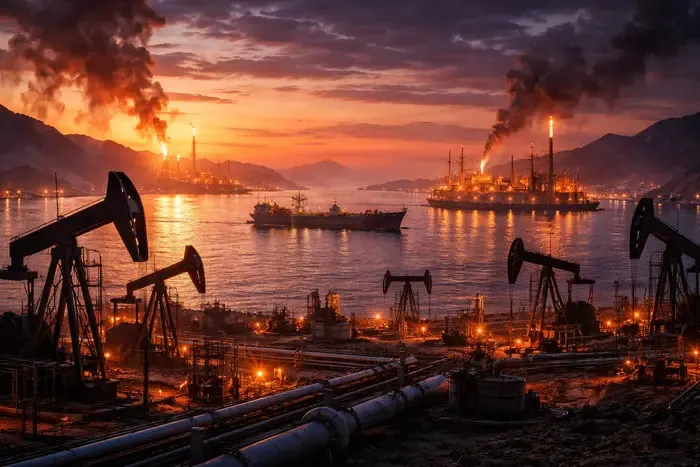
The war in the Middle East has disrupted supply chains, and the costs of insurance and stockpiling have already driven up global prices. The global oil market has undergone profound changes following the war in Iran, casting doubt on a return to the cheap energy sources of the past. Even if the situation near the Strait of Hormuz stabilizes, prices may remain higher than before.
This is reported with reference to an analysis by the British newspaper The Independent.
As noted, optimistic expectations of a rapid market recovery after prices fell below $100 have not materialized. The cost of insuring tankers has risen sharply, and some routes through the Middle East have become dangerous, forcing ships to change their logistics.
Longer shipping routes and reduced shipping volumes have already led to higher costs. Every additional nautical mile increases the final cost of fuel, which directly affects consumer prices.
Rising oil prices have a ripple effect. First, gasoline and diesel become more expensive, then logistics costs rise, and eventually expenses in the agricultural sector increase, particularly due to higher prices for fertilizers, which are produced from petroleum products.
According to the U.S. Department of Energy, oil is used in the production of over 6,000 everyday goods, including medicines, household chemicals, plastics, paints, and other materials. This means that rising energy prices affect virtually every segment of the economy.
Construction costs are rising separately. Asphalt, insulation materials, pipes, and paints are petroleum products, so the energy crisis directly affects housing affordability.
Analysts emphasize that the global economy is moving away from the “just-in-time” model that dominated until 2020. Back then, companies purchased resources only for current needs, minimizing costs. The wars in Ukraine and Iran have forced governments and businesses to shift to a “just in case” approach, building up reserves.
This means additional costs for building oil storage infrastructure and insuring it, which ultimately get passed on to the end consumer.
Despite historical experience, where high prices spurred technological breakthroughs, the current situation is complicated by damage to production facilities in the Middle East. Their restoration could take years.
At the same time, as the article emphasizes, cheap oil as the foundation of global economic stability is already a thing of the past. Consumers are adapting to the new conditions: cutting back on travel expenses, using public transportation more often, and switching to electric vehicles. Businesses are investing more actively in alternative energy, although this process takes time.
Oil prices continueto fall — Reuters.
Oil prices have plummeted due to the possible resumption of Iran’s negotiations with the U.S. and Israel
Global oil prices are likely to peak within the next few weeks. This could happen after shipping resumes through the Strait of Hormuz.
In March, global oil refining volumes fell by 5 million barrels per day to 77.1 million bpd.
OPEC oil exports plummeted to a record low in March, according to Reuters.
As a reminder, oil prices have remained above $100 following the resumption of Iraqi supplies.
