
Smoke from wildfires is linked to 1.5 million deaths each year, according to a study
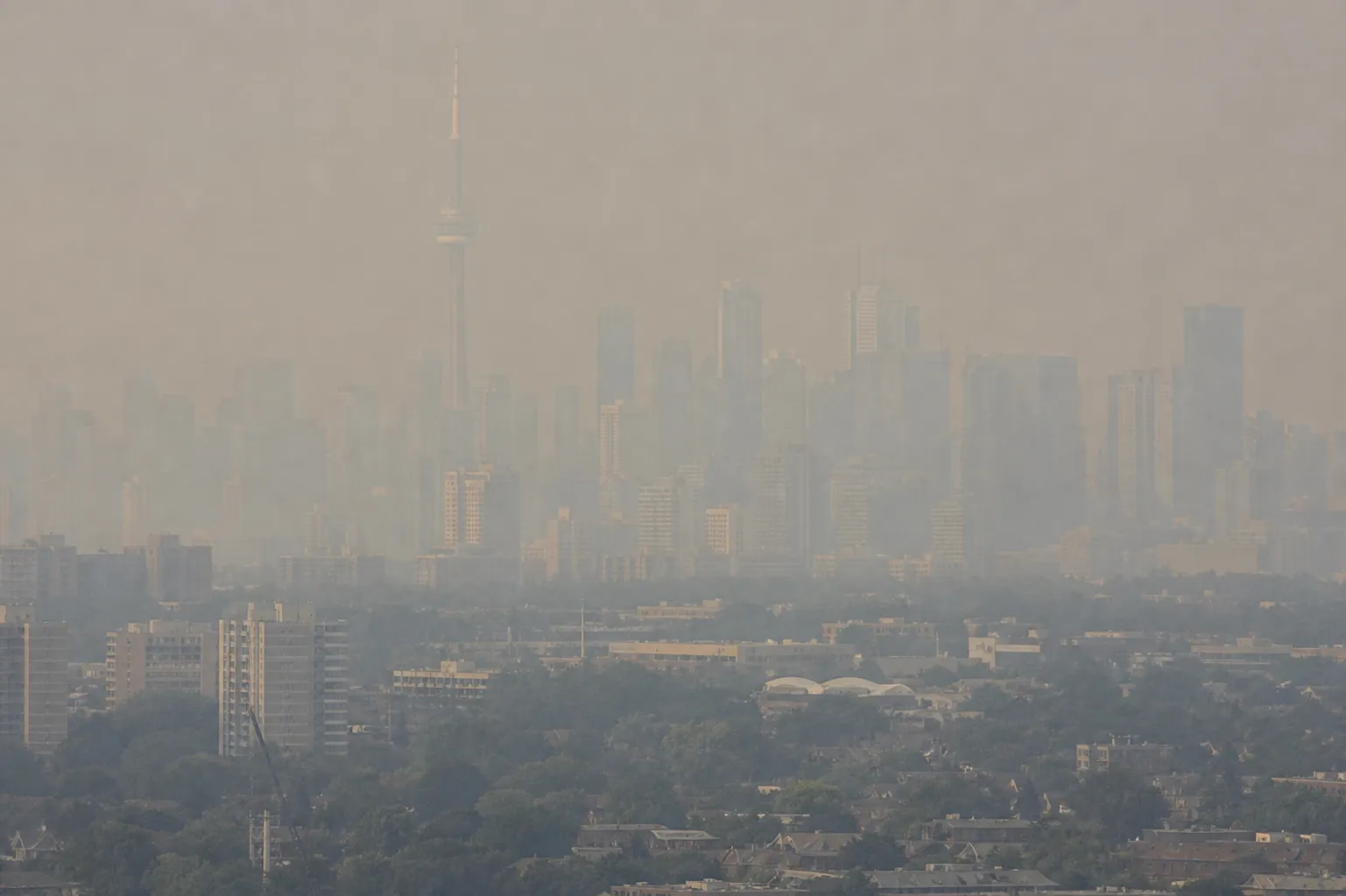
Smoke from wildfires is linked to approximately 1.5 million premature deaths worldwide each year—more than floods, wildfires, storms, and heat waves combined. These are the findings of a study published in The Lancet in 2024, according to The Guardian World.
The greatest danger comes not only from the fires themselves, but also from the toxic gases and fine PM2.5 particles in the smoke. These irritate the respiratory tract, can penetrate deep into the lungs, and enter the bloodstream. Scientists emphasize that even people living far from the fire sites are at risk: the spread of smoke depends largely on wind direction.
According to a study published in the journal *Nature*, smoke plumes from the 2023 wildfires in Canada were linked to 82,000 premature deaths. About one-third of this burden fell on the United States, and another quarter on Europe. A separate study published in March found that about 10% of PM2.5 air pollution in the United Kingdom comes from the burning of biomass abroad.
For more breaking news, follow the UA.News Telegram channel.
On July 16, according to a preliminary analysis for The Guardian, at least 36 million people in North America breathed air with PM2.5 concentrations exceeding 125.5 micrograms per cubic meter. At least 10 million people were exposed to concentrations exceeding 250 micrograms per cubic meter. In the western part of Duluth, Minnesota, the average concentration reached 541 micrograms per cubic meter.
Researchers note that the long-term effects of wildfire smoke in particular have not yet been sufficiently studied. Data on ordinary air pollution is often used to model the effects, even though the composition of wildfire smoke is different: it contains more organic compounds that promote inflammation and ultrafine particles. According to a 2021 study in *Nature Communications*, PM2.5 from wildfires can be up to ten times more harmful in the short term than particles from other sources.
Experts advise monitoring air quality readings during heavy smoke, closing windows, limiting outdoor activity, and checking on the well-being of the elderly and people with chronic illnesses. At the same time, staying indoors in a closed room without air conditioning can also be dangerous when temperatures are high.


