
Holiday on August 8, 2026: Iraq commemorates the end of the war with Iran
On August 8, Iraq historically celebrated the so-called Day of the Great Victory—a date marking the end of the eight-year war with Iran. It was on this day in 1988 that the UN announced that Iran and Iraq had agreed to cease hostilities in accordance with Security Council Resolution No. 598. At the same time, this date has a complex historical context, as during Saddam Hussein’s rule it was turned into a large-scale national celebration, presenting the outcome of the war as a victory for Iraq.
August 8 is associated with one of the most devastating conflicts in the modern history of the Middle East—the Iran-Iraq War of 1980–1988. The war began in September 1980, when Iraq invaded Iran. The confrontation quickly escalated into a full-scale war that lasted nearly eight years.
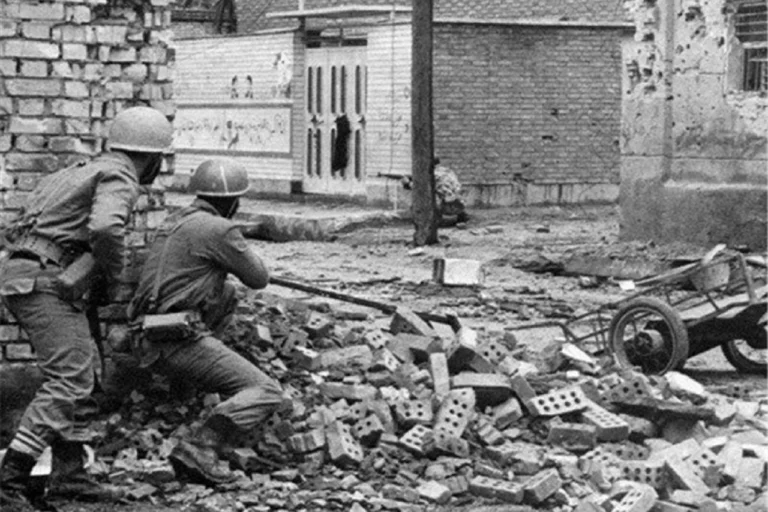
During this time, hundreds of thousands of people were killed, and total casualties are estimated at approximately hundreds of thousands or even close to one million, depending on the methodology used. The war inflicted enormous economic damage on both countries. It was also marked by missile strikes on cities, the use of chemical weapons, and heavy civilian casualties. Therefore, August 8 has become a symbolic date for Iraq, associated primarily with the end of the long-standing hostilities.
How the War Came to an End
One of the key documents that paved the way for the war’s end was UN Security Council Resolution No. 598. It was adopted unanimously on July 20, 1987. The document required Iran and Iraq to cease hostilities, withdraw their troops to internationally recognized borders, and begin negotiations to resolve the conflict. At first, reaching an agreement to end the war was very difficult. Both sides had suffered enormous losses but were unwilling to admit defeat. The situation changed in 1988 following large-scale fighting and a successful Iraqi counteroffensive.
On August 8, 1988, the UN Secretary-General announced that Iran and Iraq had agreed to comply with Resolution No. 598 and cease hostilities. That is why this date became a landmark for Iraq. At the same time, the actual ceasefire was scheduled for August 20, 1988, when the ceasefire officially took effect. This is an important distinction: August 8 is the date the ceasefire agreement was announced, while August 20 is the date it actually took effect.
Why This Day Was Called “Great Victory Day”
The name “Day of the Great Victory” appeared in Iraqi state propaganda during the Saddam Hussein era. His regime portrayed the end of the war as a triumph for the Iraqi army and for Iraq itself. Large-scale celebrations were held across the country, and August 8 became an important date on the regime’s official calendar. In his speeches, Saddam Hussein referred to August 8 as Victory Day and spoke of it as one of the most significant moments in the country’s history. He linked this date to the end of the eight-year war and claimed that it was Iraq’s military successes that forced Iran to agree to a ceasefire.
In one of his speeches, Hussein called August 8 “the day of all days” and spoke of it as Iraq’s victory. Such speeches were broadcast annually on television and radio, and the date was used to reinforce Saddam’s image as a leader who had supposedly led the country to victory.
How August 8 Was Celebrated in Iraq
During Saddam Hussein’s rule, August 8 was a major national holiday. Celebrations were held in Baghdad and other cities, and the country’s leadership delivered speeches. The army, war veterans, and the memory of fallen soldiers took center stage at these events. The celebrations were accompanied by military symbols and patriotic activities. In the capital, people took to the streets, and state media devoted significant attention to the military and the events of the war.
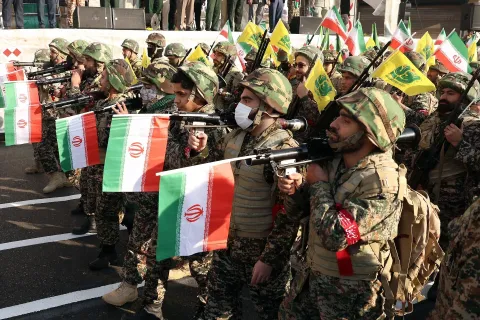
In 1988, following the announcement of an agreement to cease hostilities, massive celebrations took place in Baghdad and other parts of Iraq. People took to the streets, expressing their joy at the end of the long-running war. Later, August 8 remained an important date for Hussein’s regime. Every year, the president delivered a speech commemorating the events of 1988. For example, in 2000, he delivered a televised address marking the 12th anniversary of the war’s end.
Is August 8 an official holiday now?
There is an important nuance here. August 8 today should not be viewed as a regular Iraqi national holiday celebrated in the same way as it was during Saddam Hussein’s time. After the fall of Hussein’s regime in 2003, the government’s attitude toward the legacy of his rule and the war with Iran changed. The name “Great Victory Day” is closely associated with the former regime and its propaganda policies.

Therefore, today, August 8, is primarily of interest as a historical date that commemorates the end of one of the longest and bloodiest conflicts in the Middle East in the 20th century.
Interesting Facts About August 8
The war lasted nearly eight years. The Iran-Iraq War began on September 22, 1980, and ended in 1988. During this time, the war became one of the most devastating conflicts in the region.
The UN played a crucial role in ending the war. Resolution No. 598 was adopted unanimously by the UN Security Council. It called on both sides to cease hostilities and return to internationally recognized borders.
August 8 and August 20 are not the same date. On August 8, the UN announced that Iran and Iraq had agreed to cease hostilities. The actual ceasefire took effect on August 20. That is why both dates can be found in historical sources.
Iraq called this day a victory. During Saddam Hussein’s rule, August 8 was officially designated “Great Victory Day.” The authorities claimed that Iraq had won the war and forced Iran to agree to a cessation of hostilities.
Iran did not accept this interpretation. The conflict itself ended without a clear winner. Both countries suffered enormous human and economic losses, and their territorial disputes were not fully resolved. Therefore, it is inaccurate to describe the war as an unambiguous victory for Iraq without clarifying that this was specifically the position of Hussein’s regime.
The problems did not disappear immediately after the war. Even after hostilities ceased, issues regarding borders, prisoners of war, and other consequences of the conflict remained between Iran and Iraq. The final settlement of relations took years to complete.
Why This Date Is Important Today
August 8 is an example of how a single historical date can have different meanings depending on the political context. For Saddam Hussein’s regime, it was the day the government celebrated its supposed victory over Iran. For historians, this date is primarily associated with the diplomatic conclusion of a long-running war and the agreement to cease hostilities.

Today, it is important to remember not only the claimed victories but also the cost of this conflict. The war claimed a huge number of lives, leaving behind the wounded, prisoners of war, destroyed cities, and economic problems. It also demonstrated how difficult it is to end a war when the parties have been unwilling to compromise for years.
Therefore, August 8 can be viewed first and foremost as a date that commemorates the end of one of the most devastating conflicts in Iraq’s modern history. And at the same time, it serves as a reminder that behind the loud proclamations of victory always lies the real cost of war for ordinary people.


