
AIT director urges Taiwan to prepare for AI manipulation ahead of elections
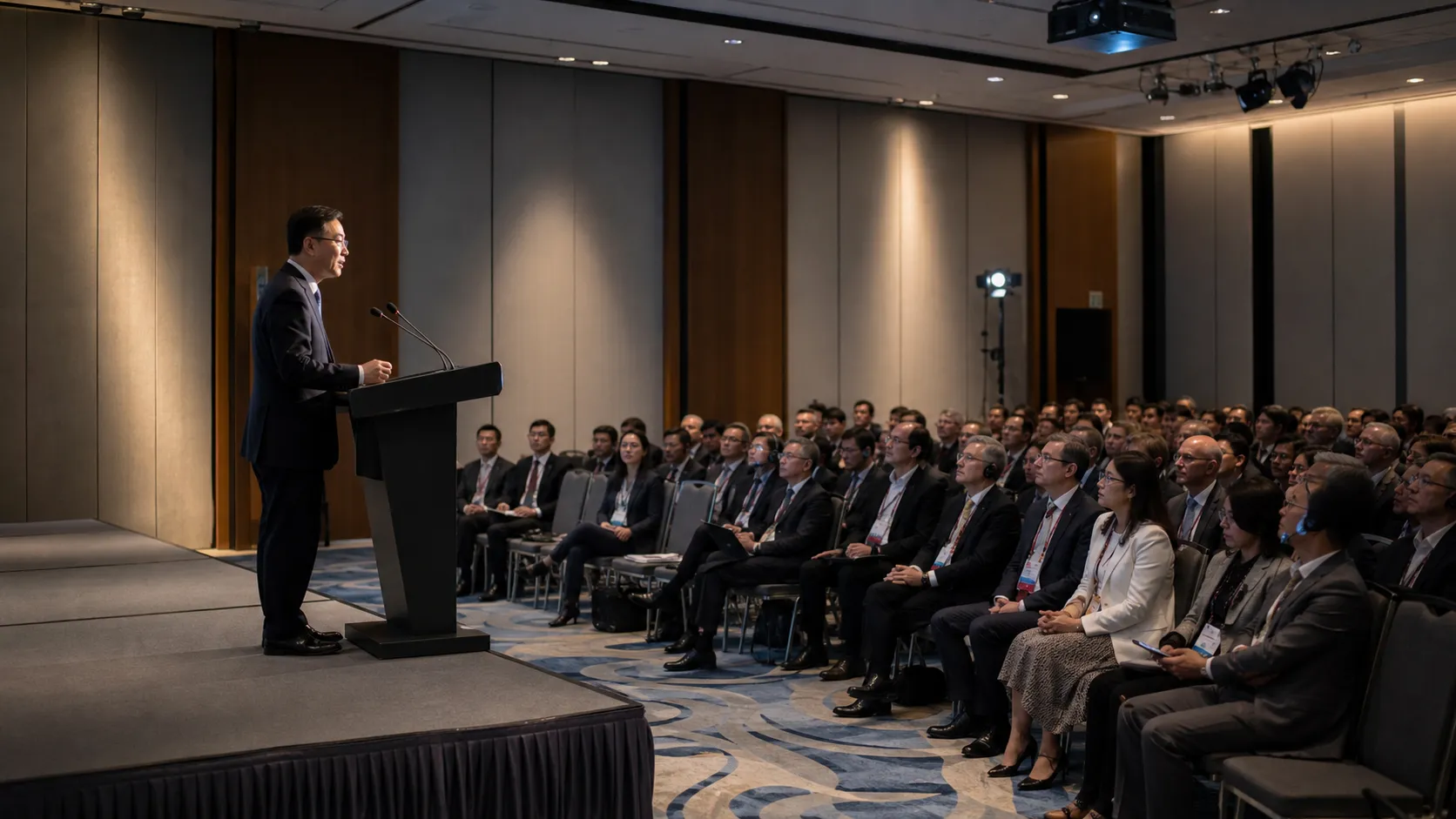
In Taiwan, Raymond Greene, director of the American Institute in Taiwan (AIT), called for stronger protection against information manipulation using artificial intelligence ahead of local elections scheduled for November 28. He also said there is a need to protect financial institutions and critical infrastructure from AI-enabled cyberattacks, Taipei Times reports.
Speaking at the Taipei Security Dialogue, organized by the Institute for National Defense and Security Research, Greene said Taiwan has already gained recognition for countering disinformation. At the same time, he said, the country should prepare for a new wave of more sophisticated cognitive warfare operations enhanced by artificial intelligence technologies.
Defense spending and deterrence
Greene said Washington welcomes Taiwanese President William Lai's commitment to increase defense spending to 5% of GDP by 2030. In his view, Taiwan has better financial capacity to expand its defense budget than many other US partners.
According to the AIT director, military readiness should be aimed not only at winning a war, but also at preventing conflict. He called deterring Chinese aggression important for Taiwan and the world, and rejected claims that strengthening Taiwan's defense is a provocation or that the United States seeks to change the status quo in the region.
More current news is available on the UA.News Telegram channel Telegram.
Greene also said that a conflict over the Taiwan Strait, in addition to human losses, would have a greater impact on the global economy than World War II. According to him, the United States is simultaneously strengthening its presence and partnerships in the Indo-Pacific region and supporting Taiwan's efforts to improve its self-defense capabilities.
Energy and military reforms
Separately, the AIT director noted Taiwan's progress in energy resilience. He linked it to increased imports and stockpiles of liquefied natural gas, electricity distribution policies, decentralization of power grids, the use of coal-fired generation and renewable energy sources. According to him, Taiwan is also exploring alternative sources, including small modular reactors and geothermal energy.
Greene said Taiwan is rapidly applying lessons of asymmetric warfare and the use of advanced technologies learned from Ukraine's defense against the Russian invasion. He added that Taiwan's armed forces are adapting to mission command concepts, which, in his assessment, were demonstrated by the latest Han Kuang exercises.


