
Dhunibesi in Nepal taxes scrap despite constitutional ban — Kathmandu Post
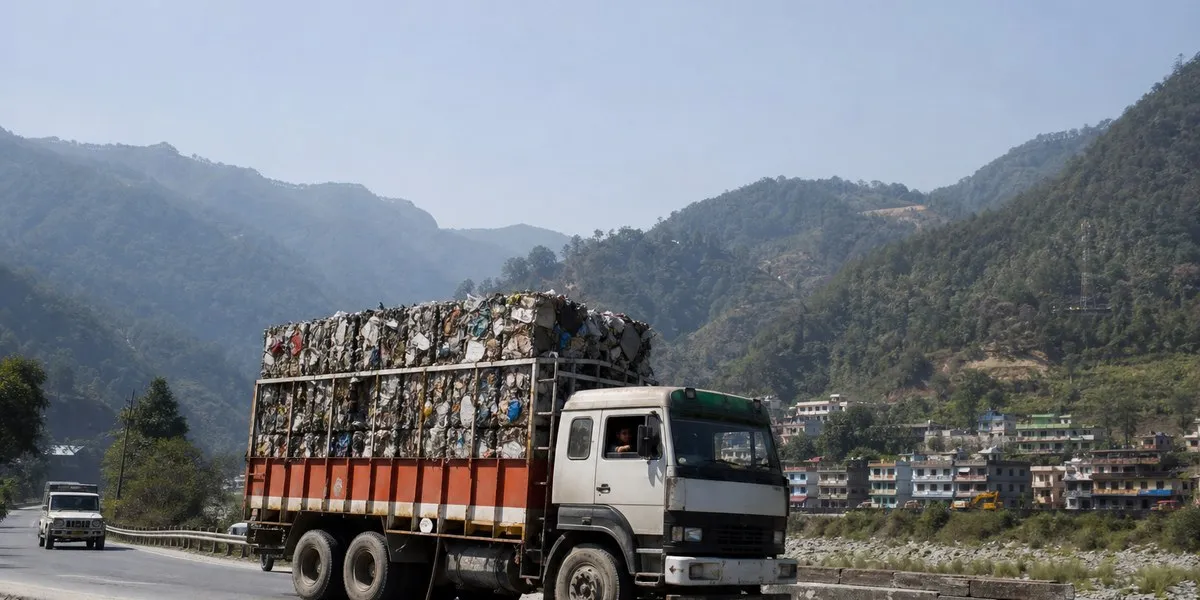
The Dhunibesi municipality in Nepal levies a tax on trucks carrying scrap metal out of the Kathmandu Valley, although the country’s Constitution prohibits local authorities from charging goods solely because they are being moved to another jurisdiction. According to the Kathmandu Post, the fee is also paid by carriers of scrap collected in communities where no such tax has been introduced.
Dhunibesi is located on the main highway leading from the Kathmandu Valley. The municipality outsourced tax collection to contractor R&R Bhaleshwar Trade Concern under a 30 million Nepalese rupee contract for three years, valid until mid-July 2027. According to the municipality’s chief administrative officer, Binod Kumar Khanal, the collection applies to scrap from other communities.
Rate and constitutional restrictions
Dhunibesi charges 3 rupees per kilogram of iron scrap, or 3.39 rupees including VAT. In other local authorities in the Kathmandu Valley, rates range from 1 to 2 rupees per kilogram, according to the publication. A source in the Dhunibesi municipality said the contractor collects more than 2 million rupees a day, or over 60 million rupees a month.
Article 236 of Nepal’s Constitution prohibits obstructing the movement of goods and the provision of services between provinces or local units, as well as imposing separate taxes, fees or charges for this purpose. Fiscal federalism expert Khim Lal Devkota said that after a tax is paid in one place, goods should move freely between local authorities without being taxed again.
More current news is available on the UA.News Telegram channel Telegram.
Legal disputes and collection in communities
Kathmandu has not collected a scrap tax for two fiscal years. In November 2024, the metropolitan municipality said it would not renew the registration of scrap collection centres from the 2024–2025 fiscal year. Lalitpur has also not collected this tax since the 2023–2024 fiscal year: the city managed to collect between 70 million and 80 million rupees but halted the process after a lawsuit was filed.
Nepal’s Supreme Court previously ruled that taxpayers should not pay the same tax twice if one local authority has already issued a receipt. Lawsuits concerning procedures for awarding tax collection contracts remain pending before the courts. Within the Kathmandu Valley, according to the publication, an active contract to collect this tax remains only in the Suryabinayak municipality.
Scrap trader Mukesh Prasad Sah said that a truck carrying about 20 tonnes of compressed scrap requires a payment of 60,000 rupees in Dhunibesi, excluding VAT. According to him, taking transport and other costs into account, traders may lose between 50,000 and 100,000 rupees on a single load.




