
TalTech doctoral student describes impact of passenger ratings on taxi drivers — ERR News
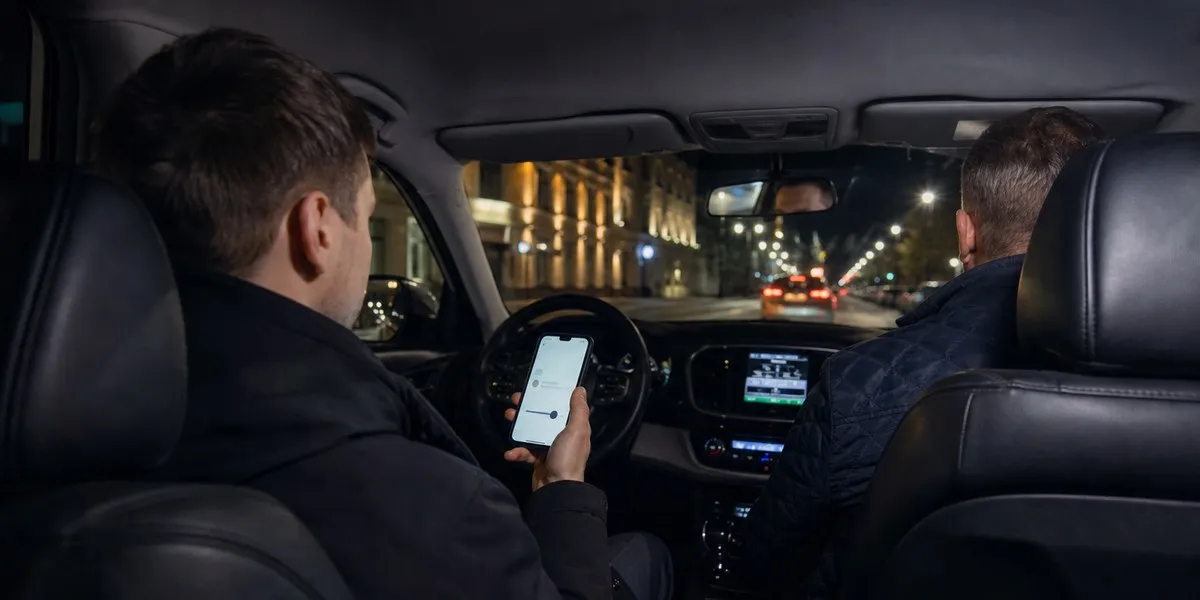
In Estonia, Arthur Toikka, a doctoral student and junior researcher at Tallinn University of Technology (TalTech), described how taxi-ordering apps affect relations between drivers and passengers. As ERR News reports, the researcher believes that such platforms not only connect customers with drivers but also shape service rules and the mutual expectations of both sides.
The platform sets the rules
Toikka notes that the app sets the price, distributes orders, tracks the route and vehicle speed, and records the acceptance or cancellation of rides. At the same time, the platform cannot directly assess a number of details that a passenger experiences, such as the smell in the cabin, the driver's tone, driving style, or whether silence during the ride is comfortable.
According to the researcher, the passenger effectively becomes a means for the platform to assess service quality. After a ride, a complex and subjective impression of the service is reduced to a rating from one to five stars. Toikka points out that such a rating becomes a management signal in the system: if a driver's average rating is sufficiently low, they may stop receiving orders without an explanation of the reasons.
More current news is available on the UA.News Telegram channel Telegram.
Algorithmic management
As part of his doctoral research, Toikka reviewed academic publications, conducted interviews with drivers, couriers, customers and a platform representative. He also drove himself for a week and analyzed the collected data. The researcher examines the operation of digital platforms through the lens of algorithmic management, organizational aesthetics and service theater.
In his view, a model in which work is divided into small tasks, measured in real time and assessed through digital traces may spread beyond the taxi sector. As an example, he proposes replacing the driver in this model with a programmer, designer or lawyer and asking how much space such a system leaves for people beyond performing a defined function.




