
ECNS reports alleged testing of US robots in Ukraine
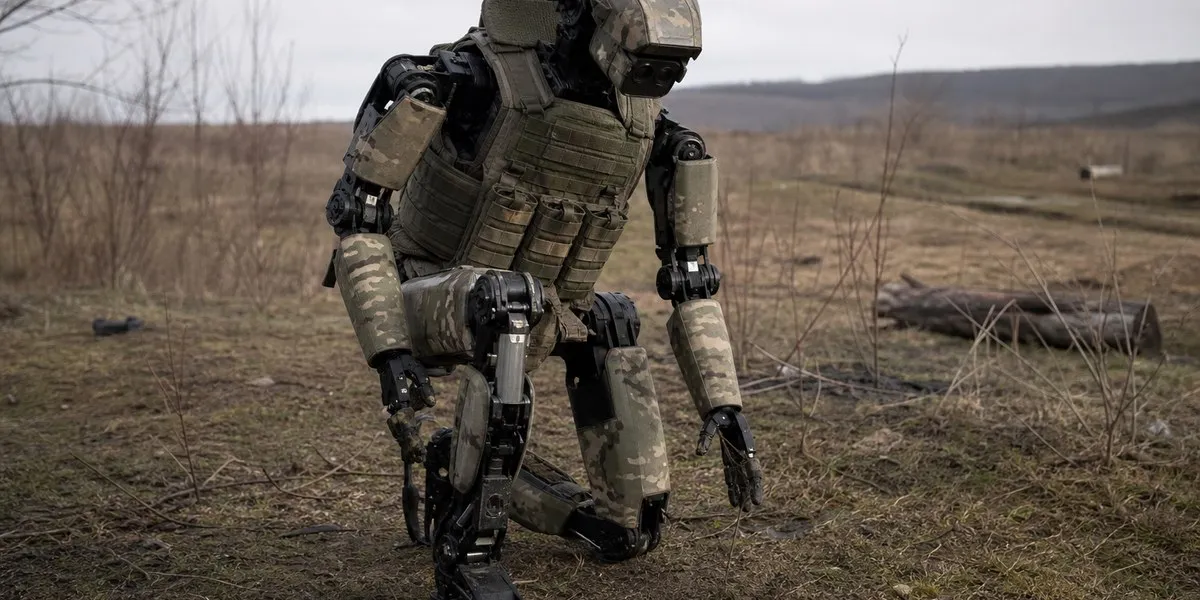
China’s ECNS reported, citing a TIME magazine report from March 2026, that two Phantom MK-1 military humanoid robots were delivered to the front line in Ukraine in February 2026 for testing. According to the outlet, the robots, developed by a San Francisco startup, were to be tested, among other things, for reconnaissance in high-risk conditions.
ECNS also claims that a company representative confirmed the preparation of robots for the Pentagon, with the prospect of their further integration into combat structures. According to the outlet, the US Department of Defense had stated that it continues to study prototypes of military humanoids for working alongside service members in difficult and dangerous conditions.
Potential use at the border
According to ECNS, the company maintains close contact with the US Department of Homeland Security regarding the possible use of the platforms for autonomous patrols along the country’s southern border.
More current news is available on the UA.News Telegram channel Telegram.
In its article, ECNS contrasts these claims with a Reuters publication on China’s research into the military capabilities of humanoid robotics. The ECNS author notes that Reuters provided no evidence of China deploying armed humanoid robots in combat units.
Negotiations on autonomous weapons
Separately, ECNS raises the issue of negotiations within the framework of the UN Convention on Certain Conventional Weapons on lethal autonomous weapon systems. The outlet claims that China supports final human control over weapon systems and the conclusion of a legally binding international treaty.
At the same time, ECNS states that the United States did not support negotiations on a binding international agreement and promoted non-binding codes of conduct. Yan Zhen, a professor at the Shanghai University of Political Science and Law cited by the outlet, pointed to the legal and ethical difficulties of using combat robots, including issues of responsibility and delegating life-and-death decisions to machines.


