
Rezaei, the former head of the IRGC, has been appointed secretary of Iran's National Security Council
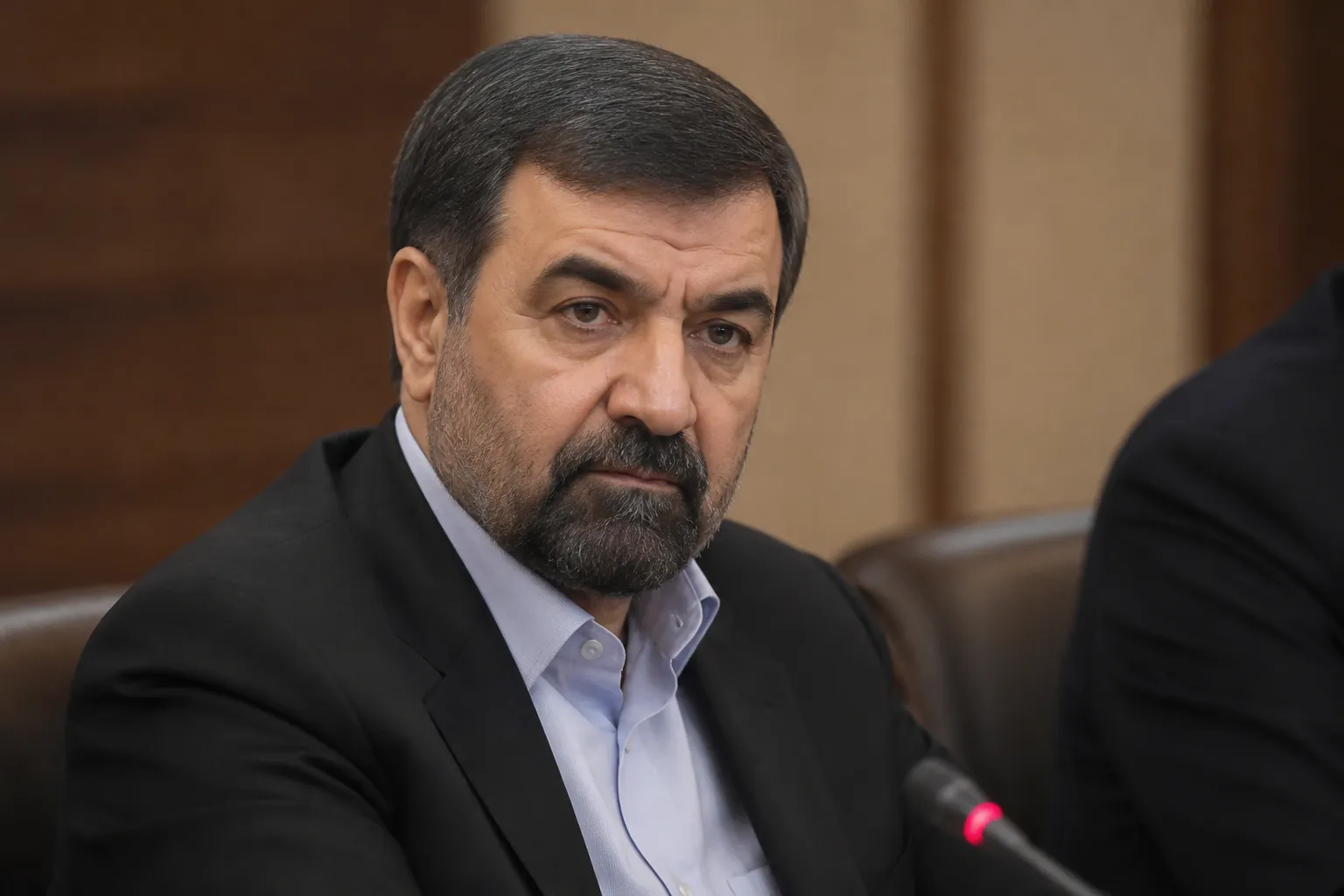
Iranian President Masoud Pezeshkian has appointed Mohsen Rezaei, the former commander of the Islamic Revolutionary Guard Corps (IRGC), as secretary of the country’s Supreme National Security Council. This body plays a key role in Iran’s security and foreign policy, according to Al Jazeera English.
Rezaei, 71, led the IRGC from 1981 to 1997, including during the Iran-Iraq War. He later became a member of the Expediency Council, which resolves legislative disputes between parliament and the Guardian Council.
As secretary of the Supreme National Security Council, Rezaei replaced Mohammad Bagher Zolgad, who was appointed political advisor to Supreme Leader Mojtaba Khamenei. On the same day, Khamenei appointed Rezaei as his representative on the council and highlighted his experience and role during the period known in Iran as the Era of Sacred Defense.
For more breaking news, follow the UA.News Telegram channel.
The appointment came amid negotiations over the Strait of Hormuz and Iran’s months-long conflict with the U.S. and Israel. According to Al Jazeera, Tehran has used its control over the strait as leverage in this standoff. The publication also notes that Iran imposed a blockade of the strait in response to the war launched by the U.S. and Israel in February, while the U.S. imposed a naval blockade on Iranian ports in an effort to increase economic pressure on the country.
Rezaei has repeatedly emphasized the importance of Tehran’s control over the Strait of Hormuz, through which approximately one-fifth of the world’s oil and gas supplies pass. Last week, he warned that the U.S. would face serious risks and losses if the blockade of Iranian ports continued.
Al Jazeera’s sources have offered varying assessments of the significance of this personnel decision. Abbas Aslani, a senior researcher at the Tehran-based Center for Strategic Studies on the Middle East, believes that Rezaei’s military, economic, and political experience could help coordinate various state institutions and engage with political forces. Other analysts suggest that the appointment of the former head of the IRGC could either increase the weight of military and security considerations in Tehran’s decision-making or facilitate domestic approval of potential agreements with the U.S.


