
El Niño could cause up to 451,000 additional deaths — The Hindu International
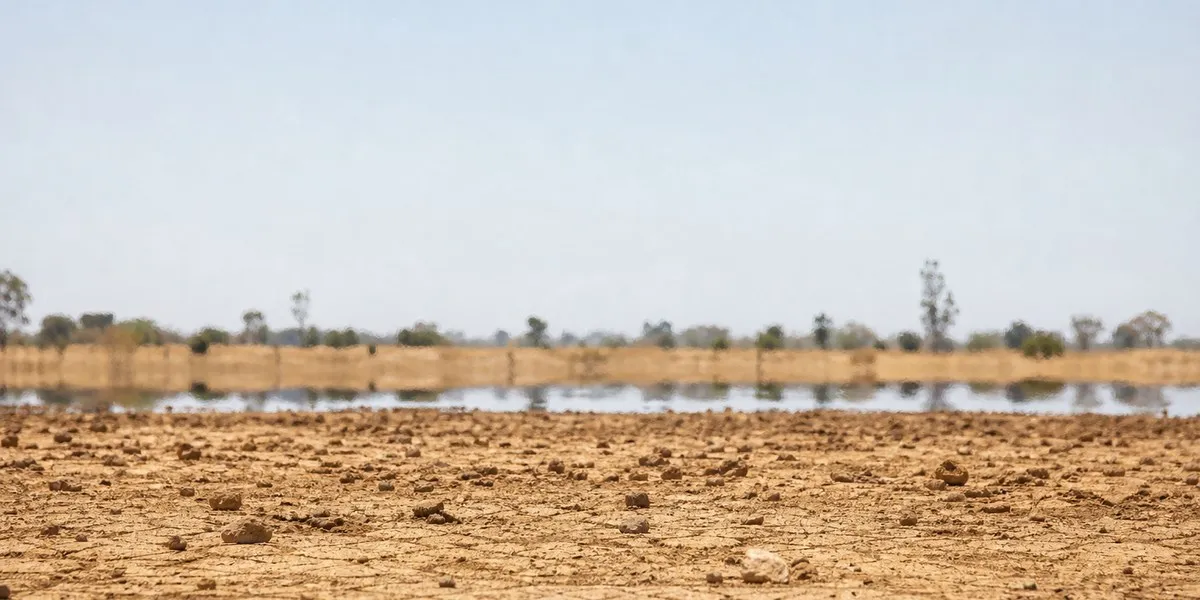
The current powerful El Niño and the record heat associated with it could be linked to 451,000 additional heat-related deaths worldwide from June 2026 through the end of February 2027. This forecast was published by the Chicago University-based Climate Impact Lab, The Hindu International reports.
Assessment methodology
Researchers compared expected mortality at El Niño-related temperatures with figures that would be projected under temperature conditions close to the average of the past three decades. The analysis combined seasonal temperature forecasts with local estimates of heat's impact on mortality in more than 24,000 regions worldwide.
Co-author of the study and laboratory co-founder Michael Greenstone said that the danger from heat could persist even after the El Niño, which is expected to end in late February. According to him, the most vulnerable regions are those that are already hot and where populations have less access to air conditioning, reliable water supplies and healthcare systems.
Regions at greatest risk
According to Climate Impact Lab's estimate, the most severe effects of heat are expected in poorer countries that already face food insecurity and high energy costs. The largest number of additional deaths is projected in the Sahel — about 66,800.
More current news is available on the UA.News Telegram channel Telegram.
Other risk hotspots include South and Southeast Asia, as well as parts of Latin America. In the Philippines, Vietnam, Thailand and Cambodia combined, approximately 19,400 additional deaths are projected; in Indonesia, 19,300; in India, 15,800; and in Brazil, 13,300.
Protective measures
The report's authors recommend that governments introduce heat warning systems, open cooling centers and water distribution points, strengthen protections for outdoor workers and increase hospital capacity. They also call for advance funding so that resources arrive before peak temperatures begin.
According to the laboratory, global land temperatures during the current El Niño could be approximately 1.2°C higher than in a typical year, while the number of days with extreme heat could be 44% greater. Although El Niño is a natural climate phenomenon, its risks are intensified by human-caused global warming.


