
Holiday on September 23, 2026 — Checkers Day: How the Game Loved by Millions Came to Be
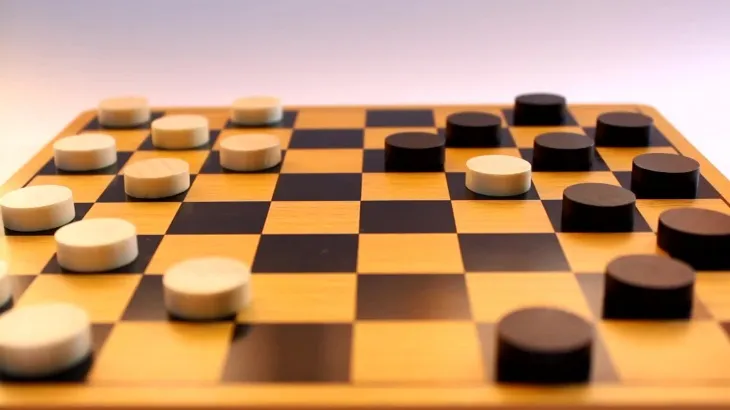
September 23 is celebrated as Checkers Day in Ukrainian calendars. This date is dedicated to one of the most famous board games, which combines simple rules with sophisticated tactics. However, Checkers Day does not have the status of an official international holiday recognized by the UN or UNESCO, and the origin of September 23 as the specific date is linked to unofficial calendars of commemorative dates.
Checkers Day is celebrated on September 23. In 2026, this date falls on a Wednesday. In Ukrainian calendars of commemorative and sports dates, September 23 is marked as Checkers Day. It is not a national holiday nor an official day off. It can be viewed as a themed day dedicated to this popular intellectual game. That is why there is no single mandatory way to celebrate this day.
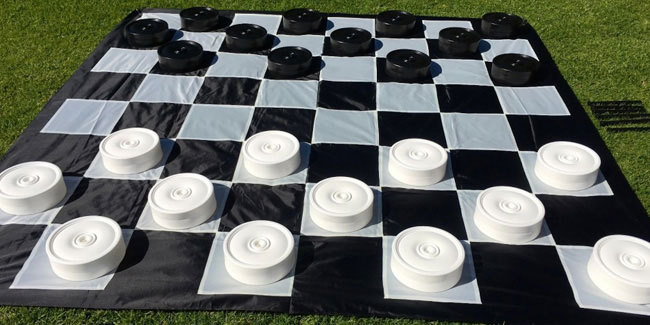
For some, Checkers Day is an excuse to pull an old board out of the closet and play a game with the family. For others, it’s an opportunity to hold a small tournament, introduce children to the game, or simply learn more about its history. Checkers is often seen as a simple children’s game, but at the professional level, it’s a serious discipline with its own federations, ratings, world championships, and complex strategies. The World Checkers Federation (FMJD) has official rules, ratings, and international competitions.
How Checkers Came to Be
It’s impossible to pinpoint a single person who invented checkers. The game evolved over centuries, and its early forms are linked to ancient board games in which pieces were moved to capture the opponent’s pieces. Historians of board games have found games with similar principles even in ancient civilizations. At the same time, modern checkers shouldn’t simply be called the same game that was played thousands of years ago. The rules gradually changed, and different countries developed their own variations.
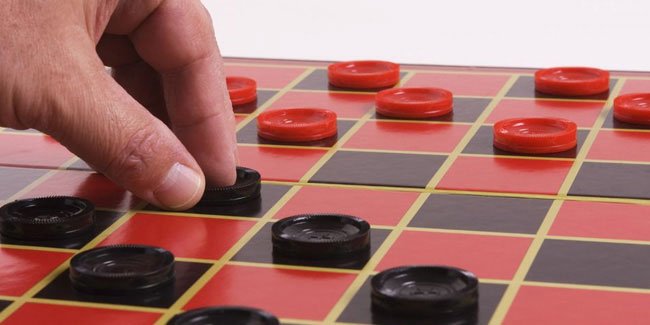
European forms of checkers began to develop particularly rapidly during the Middle Ages. It was then that games emerged that already bore a much closer resemblance to modern checkers. In the British tradition, the game is called “draughts,” while in American English, the common name is “checkers.” The word “checkers” itself comes from the name of the checkered board on which the game is played. Over time, checkers spread far beyond the borders of Europe. Different countries developed their own rules, board sizes, and gameplay characteristics. As a result, today checkers is not a single game with absolutely identical rules. There are several major variants, including English checkers, international 100-square checkers, and other variations.
Why September 23 Is Associated with Checkers Day
There’s an important nuance here. In Ukrainian sports calendars, September 23 is marked as Checkers Day; however, there is no official UN or UNESCO resolution establishing this day as an international checkers holiday. In international English-language calendars, September 23 is indeed Checkers Day, but its origin is quite different. This day is associated with a famous televised speech by American politician Richard Nixon, which he delivered on September 23, 1952.
During the speech, Nixon defended himself against allegations of improper use of funds related to his political activities. In his speech, he also mentioned a Cocker Spaniel named Checkers that had been given to his family as a gift. It was because of this dog that the speech came to be known as the “Checkers Speech.” Subsequently, an unofficial “Checkers Day” emerged in the U.S., also known as “Dogs in Politics Day.” In other words, the American “Checkers Day” is not, in fact, a holiday celebrating the board game.

The similarity in names has led to some confusion. In Ukrainian calendars, September 23 may be listed specifically as Checkers Day, whereas American sources refer to a completely different event on that same date. Therefore, it is more accurate to say that Checkers Day on September 23 is an unofficial thematic date used by Ukrainian and some international calendars. It should not be presented as an international holiday officially proclaimed by the UN.
Checkers Has Become a True Sport
Despite its simple rules, checkers has long since transcended the realm of a mere family game. Today, there are international federations, professional players, rankings, and world championships. One of the world’s leading organizations is the World Draughts Federation (FMJD). It was founded in 1947 by the federations of France, the Netherlands, Belgium, and Switzerland. Its goals include promoting checkers and organizing international competitions. The FMJD is the governing body for international 100-square checkers. The federation also maintains official player ratings and establishes the rules for international competitions.
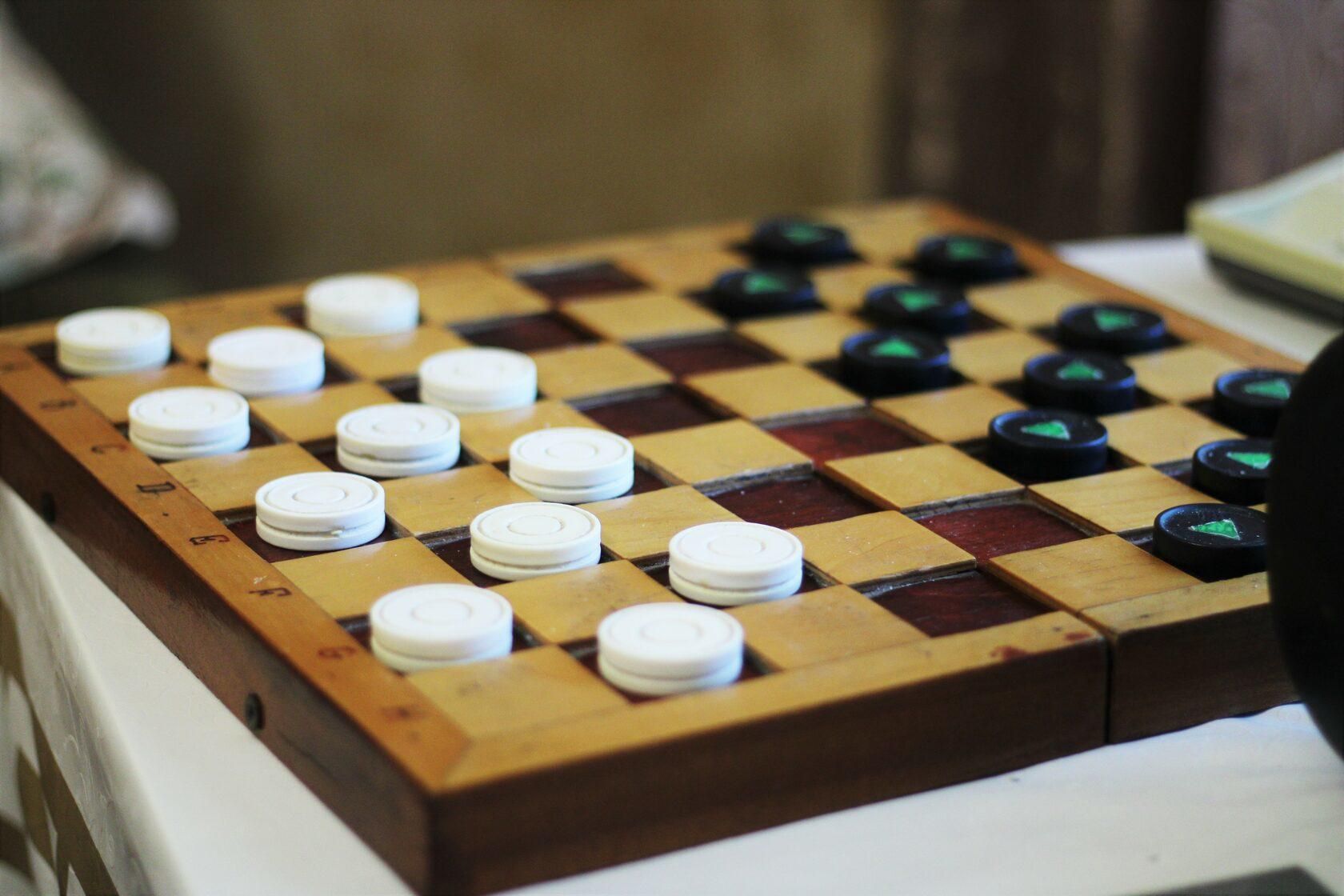
Separately, there is the World Checkers and Draughts Federation (WCDF), which governs English checkers. This variant uses an 8-by-8 board, and the rules differ from those of international checkers. Professional competitions can take place in the classical format, rapid games, and blitz. There are also separate championships for men, women, youth, and various age categories. In other words, there’s a whole world of sports behind a simple checkers board. For a professional player, a single mistake can change the outcome of a game, and victory often depends on the ability to calculate several moves ahead.
How International Checkers Differ from Regular Checkers
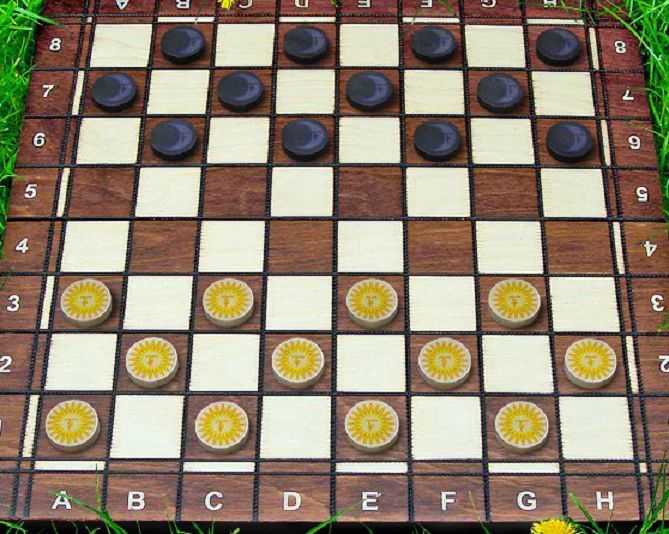
One of the most common variants in the world is 100-square international checkers. The game is played on a 10-by-10 board. Each player starts the game with 20 checkers. Only the dark squares on the board are used in the game. A regular checker moves diagonally, and the main objective is to capture the opponent’s checkers or prevent them from making a move.
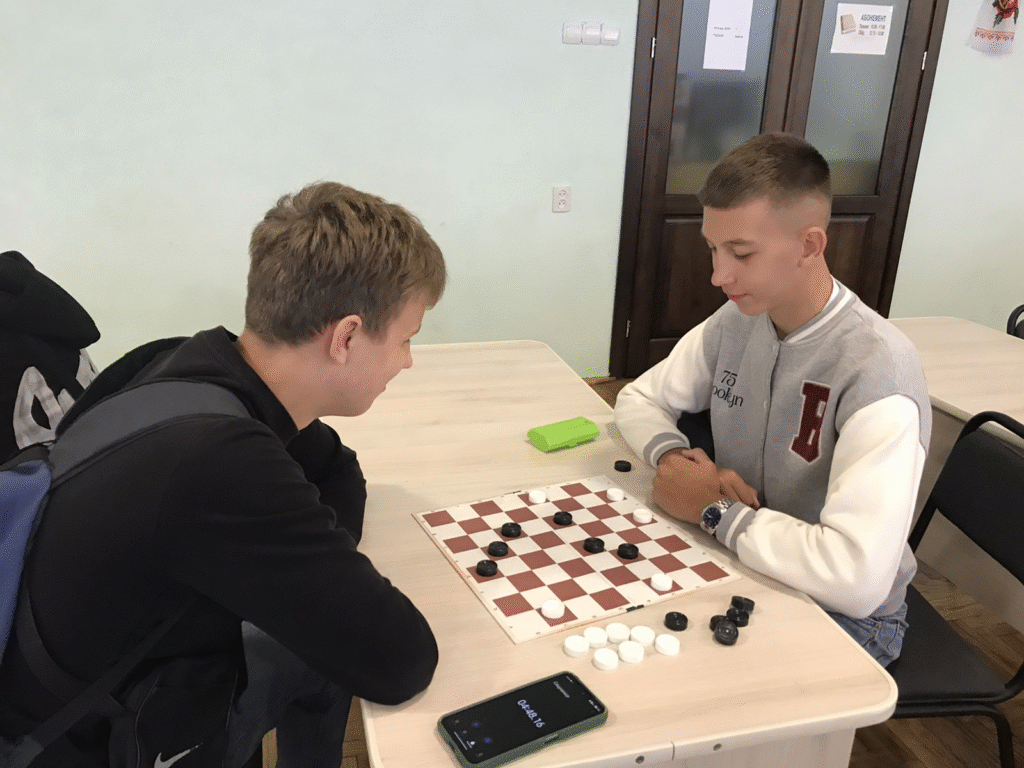
If a checker reaches the last row on the opposite side of the board, it becomes a king. A king has significantly more options for moving across the board. In international checkers, the rules for capturing also have their own peculiarities. If a player can capture an opponent’s checker, the capture is mandatory. It is precisely because of these rules that the course of a game can change very quickly. A player sometimes intentionally sacrifices a checker to force the opponent to make a move that benefits them and then execute a combination. Therefore, while checkers may seem simple on the surface, a serious game requires a good memory, attentiveness, and the ability to plan.
Interesting Facts About Checkers
There is no element of chance in checkers. Unlike many board games, there are no dice or cards. Everything depends on the moves of the two players.
There are dozens of variations of checkers. The size of the board, the number of pieces, and the rules for movement and capture may vary from country to country.
International checkers is played on a 100-square board. This is significantly larger than the 8-by-8 board that many people are familiar with.
There are world championships. Moreover, professional tournaments aren’t held only for adult men; there are also women’s and youth championships.
For example, the World Draughts Federation publishes the results of international youth tournaments featuring players from various countries. Ukrainian players also participate in such competitions.
Another interesting point is that checkers have long since made the leap into the digital world. Today, you can play not only on a physical board but also online against an opponent from another country.
How Checkers Benefits Children
Checkers are often used as a child’s first intellectual game. The rules are simpler than those of chess, so it’s easier for a child to quickly grasp the concept of the game. At the same time, checkers teach more than just moving pieces. A child must keep track of their opponent’s moves and anticipate possible responses to their own move. The game also trains concentration. If you lose focus even for a few seconds, you might miss your opponent’s combination and lose several checkers.
Another important skill is the ability to make decisions. In a game, you can’t take an indefinite amount of time to make a move, so players gradually learn to assess the situation and choose one of the options. Checkers can also help develop logical thinking and spatial awareness. Children learn to see not just a single piece, but the entire position on the board. That’s why checkers is used in clubs, schools, and sports programs. And for many children, the game eventually evolves from a casual hobby into a serious passion and even a sports career.
How to Celebrate Checkers Day
Since this is an unofficial date, there is no single rule for how to celebrate. Everyone can choose their own way to mark the occasion. The simplest option is to play a game with a friend or family member. This doesn’t require a special tournament or professional equipment. Schools and sports clubs may hold small tournaments on this day. Children can be invited to play a few short games, learn about the history of the game, or analyze interesting moves.

For experienced players, this can be an opportunity to hold a blitz tournament. Online platforms also offer the chance to play against people from other cities and countries. Another option is to have a family night without phones. A board, a few games, and a cup of tea can be a simple way to spend time together. And for those who have never played checkers, September 23 could be a great reason to finally give it a try. You don’t have to learn complex strategies right away—just master the basic rules and play your first game.
What traditions are associated with this day?
There are no traditions on Checkers Day, such as mandatory gifts or special rituals. The main idea behind this day is to remember the game itself and spend some time playing it. In a sports setting, the most natural format is a tournament. This could be a competition among children, amateurs, or experienced players. Another tradition is instructional games. An experienced player can play against a beginner while explaining the rules and common mistakes. Schools can hold themed lessons. For example, they can tell children about the origins of checkers, demonstrate different variations of the game, and give everyone the opportunity to play at least one game.
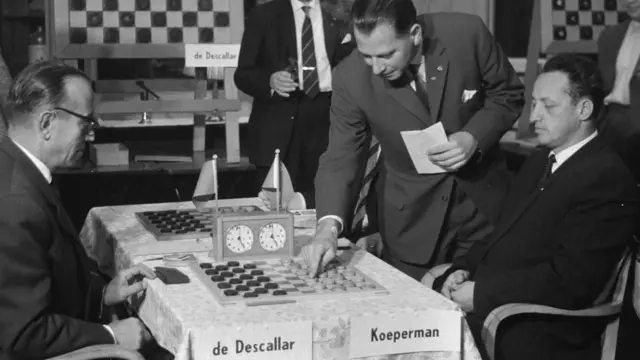
For a family celebration, you can organize a small home tournament. The winner doesn’t even need to receive a major prize—a symbolic medal, a certificate, or simply the right to choose the next game is enough. The main thing on a day like this isn’t winning at any cost. The beauty of checkers lies in the fact that a single board can simultaneously serve as a venue for competition, a way to socialize, and a great mental workout.
Why You Should Play at Least One Game
Checkers remain popular precisely because of their combination of simplicity and complexity. It only takes a few minutes of explanation to start playing. But the longer a person plays, the more nuances they notice. You need to think ahead, spot combinations, and assess whether it’s worth taking a risk for the sake of a few checkers.

The game is also well-suited for all ages. A child can play with their parents, friends can play against each other, and experienced players can spend years perfecting their technique. Today, you don’t even need a physical board to play. You can play a game on your phone or computer, or find an opponent online. That’s why Checkers Day is a good excuse to put down your gadgets for a while, sit down at the board, and see who’s better at calculating moves. And if you haven’t played checkers in a while, September 23, 2026, might just be the perfect excuse to revisit the game. Perhaps one short game will turn into a whole home tournament.




