
Queen Elizabeth II supported Prince Andrew's appointment as trade envoy – BBC
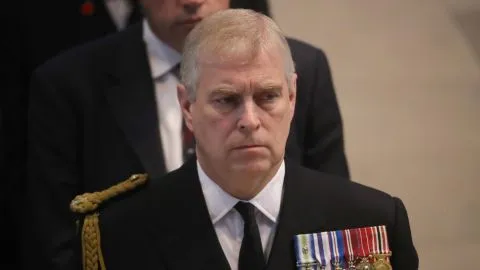
According to government documents, Queen Elizabeth II supported the idea of appointing her son, Andrew Mountbatten-Windsor, as the United Kingdom’s trade representative.
As reported by the BBC, citing the released documents, the plan was to involve him in promoting British economic interests abroad. The materials were declassified following a request by Liberal Democrat leader Sir Ed Davey.
In a memo dated February 2000, the then-head of British Trade International, Sir David Wright, wrote to Foreign Secretary Robin Cook that the Queen supported the idea of appointing Andrew as the Duke of Kent’s successor. The document noted that this coincided well with the conclusion of the Duke of York’s active naval career.
“The Queen is very keen for the Duke of York to take on a prominent role in promoting national interests,” one of the documents stated.
As a reminder, Andrew Mountbatten-Windsor served as the United Kingdom’s Special Representative for International Trade and Investment until 2011. The released files indicate that his overseas schedule was to include two major regional visits per year, with other trips depending on the budget and circumstances.
In one of the letters, British diplomat Catherine Colvin shared notes from a meeting with Andrew’s then-private secretary. It noted that he was well-versed in high technology, trade, cultural events, youth issues, the Commonwealth, military affairs, and international affairs. At the same time, the document noted that he preferred trips to “more developed countries.”
A separate telegram to British Trade International staff warned of the need for “careful, and at times strict, media management” when handling his trips. A 2001 media Q&A also noted that Andrew was not to receive a salary for this role, but his travel, related expenses, and the work of his support staff were covered.
The government explained that it released these materials as an exception, despite the traditional confidentiality of communications with or on behalf of the monarch. Some pages have been heavily redacted—according to Trade Minister Chris Bryant, only a minimum of personal information and data that could harm international relations was removed.
The request for the documents was filed after Andrew Mountbatten-Windsor was arrested on suspicion of misconduct in public office for allegedly passing confidential materials to Jeffrey Epstein. He was subsequently released pending investigation. Andrew himself denies any wrongdoing in his dealings with Epstein and rejects claims of personal gain from his trade post.
Trade Minister Sir Chris Bryant stated that the government does not expect any further files regarding Andrew’s appointment to be released. At the same time, he promised to return to Parliament if additional documents become available for publication.
Read also:
Charles III to make historic visit to the U.S. in late April — Reuters.
King Charles may influence Trump’s stance on Ukraine
King Charles III played a key role in changing Trump’s stance on Ukraine


