
Energy shocks threaten Africa’s climate plans — Daily Maverick
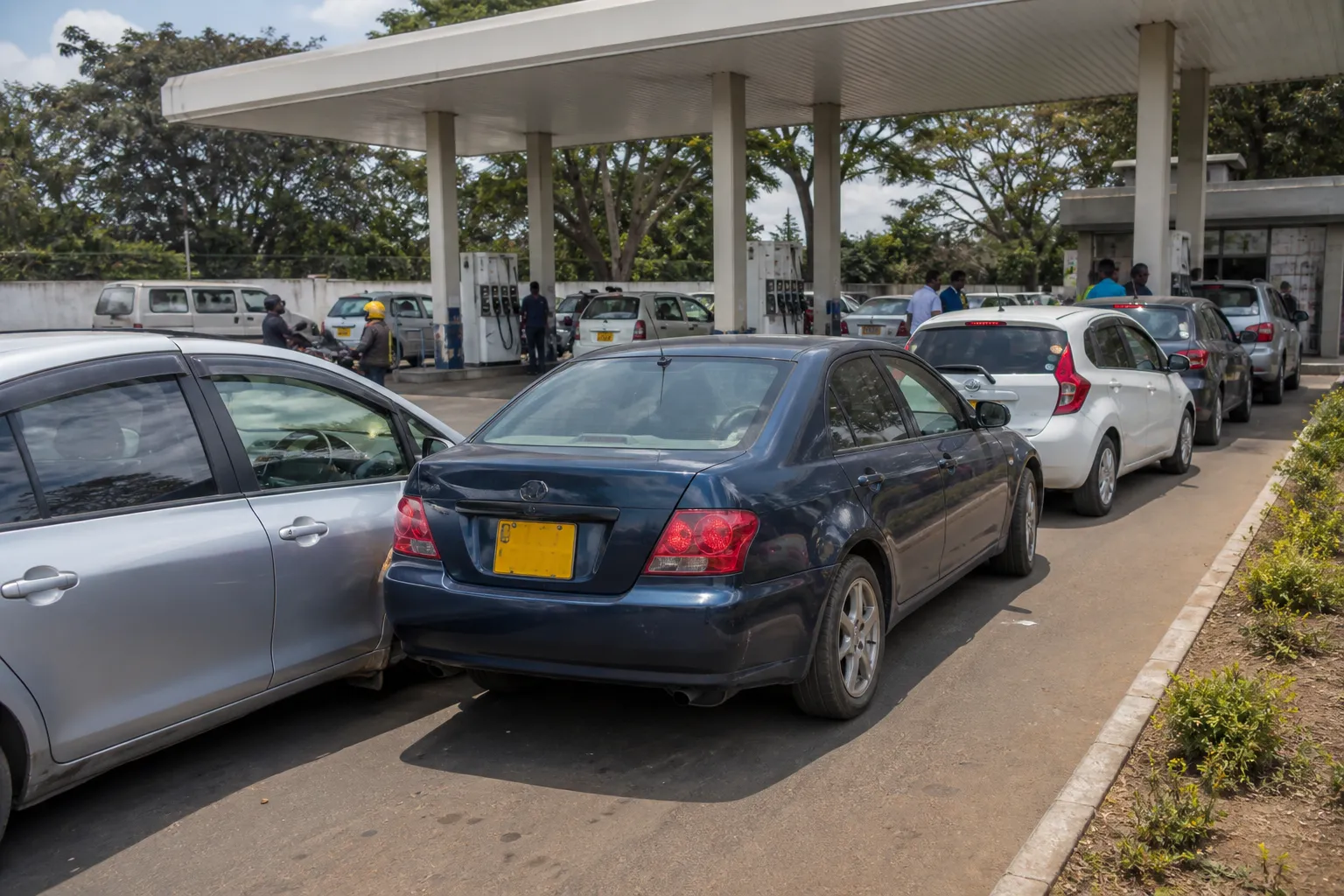
Geopolitical and energy shocks may complicate the implementation of climate programmes in African countries, as they contribute to higher prices for fuel, food, fertilisers and transport. This is stated in an analytical article by Daily Maverick.
According to the publication, military escalations and disruptions on key energy and trade routes affect supply chains, the cost of maritime transport and currency instability. Under such conditions, African governments must choose between containing fuel prices, funding social services, offsetting rising food costs and preserving long-term climate investments.
Government responses
As Daily Maverick notes, South Sudan was forced to ration electricity in Juba, while Mauritius restricted consumption in sectors with high energy use. In Ethiopia, fuel suppliers were ordered to prioritise security agencies, major state projects and key industries.
More current news is available on the UA.News Telegram channel Telegram.
In Zimbabwe, after fuel prices rose by 40% in less than a month, the share of ethanol in gasoline was increased from 5% to 20%, and taxes on fuel imports were reduced. In Kenya, approximately one-fifth of petrol stations faced an acute shortage of gasoline.
Risks to adaptation
The authors of the article describe this impact as climate disruption: wars, debt crises, energy price spikes, trade disruptions or financial instability can weaken a country’s ability to prepare for climate change and respond to its consequences.
In particular, the rerouting of ships due to the situation in the Red Sea around the Cape of Good Hope increased voyage times and transport costs. Fluctuations in commodity prices and tighter financial conditions, according to the publication, also raise the cost of critically important imports and climate investments. This affects most severely communities that are already suffering from climate impacts, high food prices and unstable incomes.


