
South Korean government plans to increase spending by more than 10% in 2027
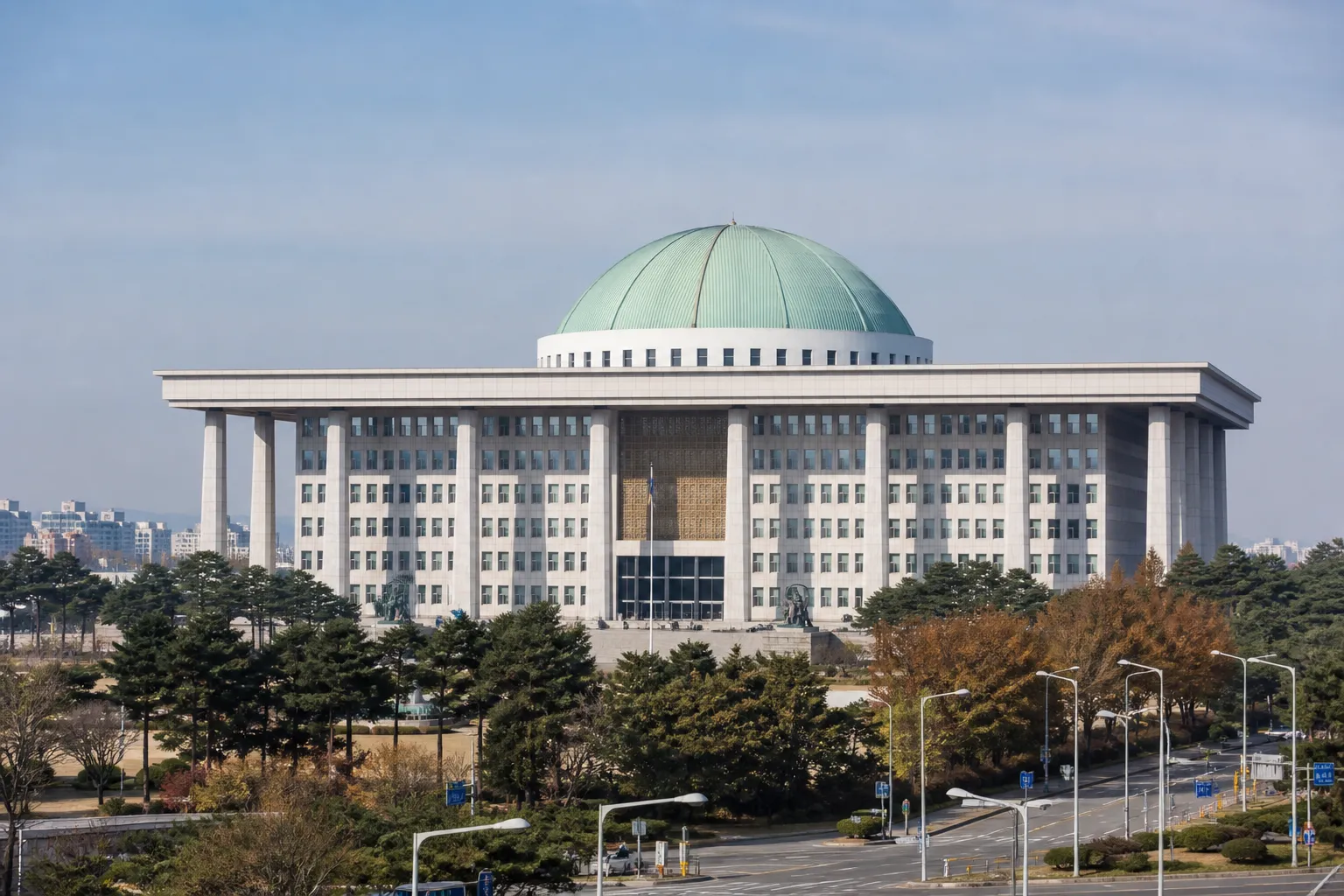
The South Korean government plans to submit its 2027 budget proposal to the National Assembly in the coming days. Total spending is expected to rise by more than 10% compared with the current year, The Korea Herald reports.
These plans are being discussed amid the country’s projected strongest economic growth in about a decade, excluding periods of major shocks. It is expected to be driven by the global artificial intelligence boom and the related increase in semiconductor exports. Tax revenues, including corporate tax receipts, may also rise substantially due to increased profits at Samsung Electronics and SK hynix.
Government investment plans
President Lee Jae-myung said last week that the authorities should not focus excessively on short-term budget indicators. He called for investing future financial resources in more efficient and productive areas which, he said, could increase the value of current investments in the future.
The government also announced its intention to adopt special legislation and create special accounts to support three mega-projects presented at the end of June. Separately, the authorities propose separating so-called excess tax revenues and unusually large revenue surpluses from the general government account and directing them to a provisionally named Future Fund for investment in strategically important areas.
More current news is available on the UA.News Telegram channel Telegram.
The columnist’s position
Columnist Yoo Choon-sik believes that a substantial increase in spending during a period of strong economic growth runs counter to the traditional approach to fiscal policy. He notes that the Bank of Korea raised its base rate twice in a row, citing vigorous economic growth and mounting inflationary pressure.
At the same time, the government had said it intended to cool the housing market through stricter tax measures and restrictions on homebuyers, owners of multiple properties, expensive homes, and homes in which the owners do not reside. In the author’s view, this raises questions about the consistency of economic policy.
Yoo Choon-sik notes that South Korea’s government debt relative to GDP is lower than that of the United States, while the budget deficit does not yet indicate an imminent crisis. At the same time, he believes the government should convincingly explain the rationale for actively expanding spending amid rising tax revenues and semiconductor exports.


