
Microplastics in soils may threaten Britain’s food security
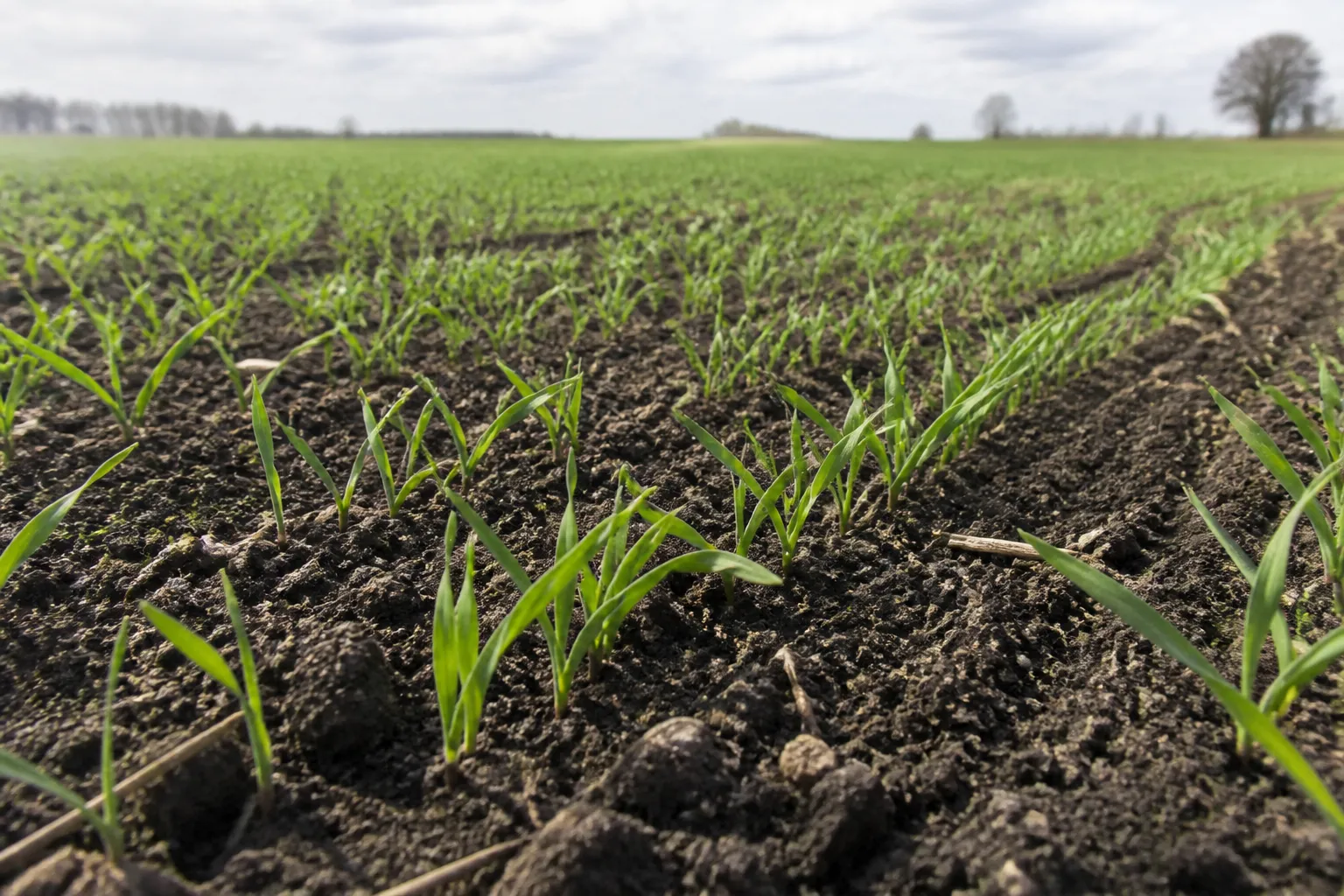
The accumulation of microplastics in soils poses a new threat to the United Kingdom’s food security, scientists, MPs and campaigners have said. A report by the cross-party parliamentary group on microplastics called for legally binding targets to reduce such pollution, The Guardian reports.
According to the report, agricultural soils in the United Kingdom are among the most contaminated with microplastics in Europe. The authors cite the repeated use as fertiliser of sludge produced at water treatment plants as one of the reasons.
Impact on soil
Microplastics are plastic particles ranging in size from one micrometre to five millimetres. They are often formed through the breakdown of synthetic textiles, packaging, paints, cosmetics and car tyres. Nanoplastics are particles smaller than one micrometre that can penetrate biological membranes.
The report’s senior author, Professor Cressida Bowyer, director of the University of Portsmouth’s Revolution Plastics Institute, said that plastic particles affect the biological, chemical and physical functions of soil, as well as its fertility. According to her, they can alter soil structure and its capacity to retain water, affect bacteria and fungi important for soil health, and also affect soil fauna. Earthworms that ingest microplastics undergo physiological changes.
More current news is available on the UA.News Telegram channel Telegram.
Bowyer stressed that soil is a complex living ecosystem on which the cultivation of food crops depends. She also noted that microplastics are not only polymer particles, but a combination of various chemicals.
Report recommendations
The report states that more than 16,000 chemicals are used in plastics production. Around 4,000 of them are known to be harmful to health, while most of the others have not undergone safety testing.
The authors propose setting binding targets to reduce microplastic pollution, regulating the largest sources of its emissions, introducing extended producer responsibility throughout the plastic life cycle, and strengthening protection of wastewater, sludge and soils. They also call for the creation of a coordinated national monitoring and data-collection system.
The chair of the parliamentary group, South Leicestershire MP Alberto Costa, said that the United Kingdom’s current measures cover only a small share of microplastic emissions. Report co-author Dr Antaya March called for a shift from fragmented responses to a coordinated strategy and for no delay in measures that can prevent pollution and reduce future risks.


