
Germany’s power grid could become a vulnerability for NATO — OilPrice
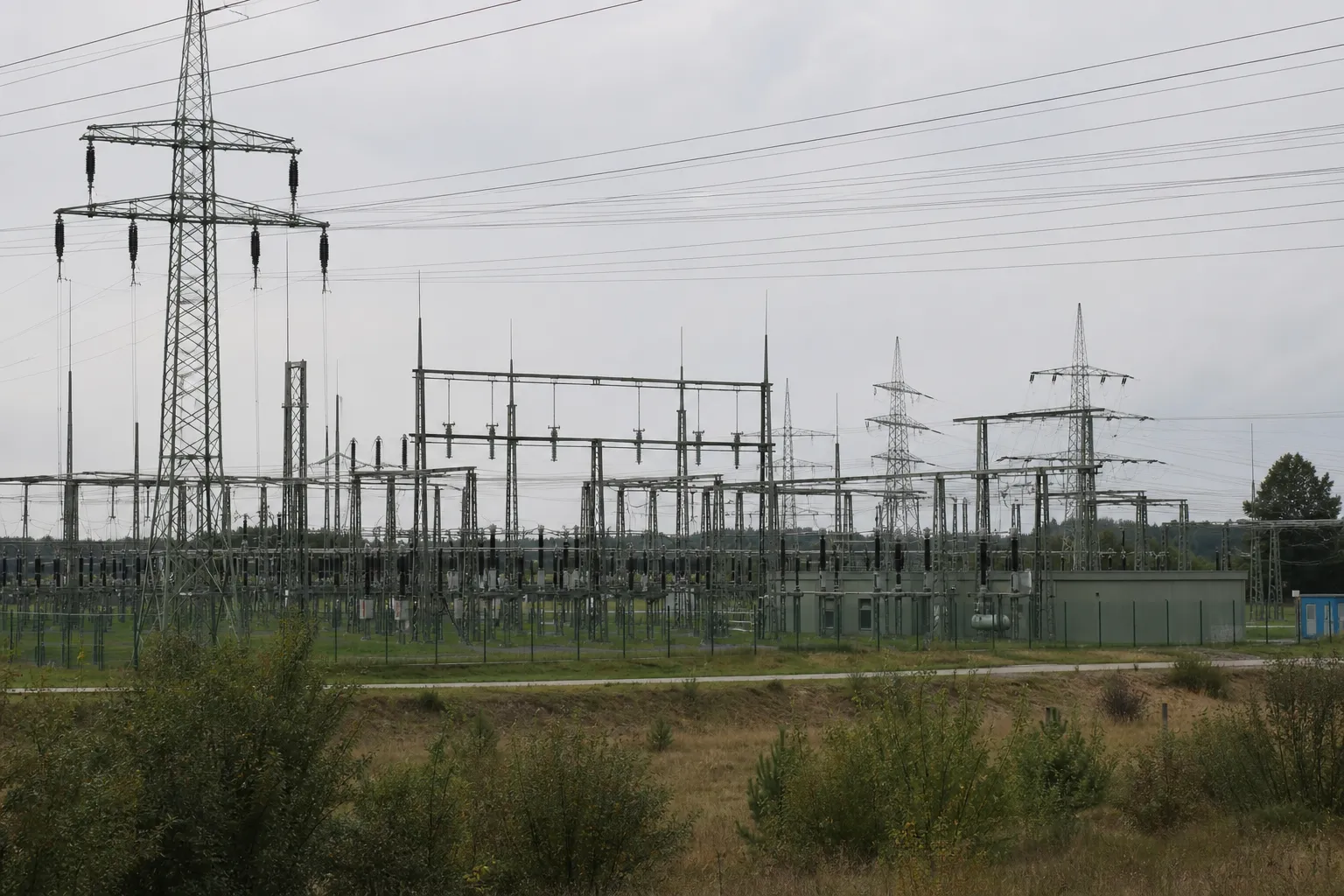
Germany’s power and transport infrastructure is critically important for deploying NATO forces to the eastern flank, but the decentralized structure of the power grid could create risks for the Alliance’s defense logistics. OilPrice reports. According to the publication, in the event of an attack by the Russian Federation — an aggressor state — on a NATO country, Germany would have to move up to 800,000 allied troops and 200,000 pieces of equipment through its territory within six months.
Dependence on the civilian power grid
Ports, airports, railways and highways included in Germany’s NATO force deployment plan depend on the civilian power grid. As OilPrice notes, an attack on electrical infrastructure near one of the transport hubs could disrupt several deployment elements without a direct strike on a military facility.
Germany’s energy system consists of four high-voltage grid operators and 851 distribution grid operators. Of these, 767 companies serve fewer than 100,000 consumers, while 643 serve fewer than 30,000. The operators are responsible for guarding substations, while police protect the public space around them.
Logistics exercises
In February and March 2026, Germany tested its logistics role during the Bundeswehr’s Quadriga exercise and NATO’s Steadfast Dart exercise. The country received and moved around 6,400 service members of the NATO Response Force. According to OilPrice, the operation involved 75 military flights, seven cargo and ferry vessels, and nearly 100 vehicle convoys; it used 300,000 liters of diesel fuel and 170,000 liters of aviation fuel.
More current news is available on the UA.News Telegram channel Telegram.
Incidents near energy facilities
On September 2, German law enforcement officers discovered more than a dozen pyrotechnic launch devices at a substation near the Jänschwalde power plant. On the same day, conductive material caused a short circuit at a substation in Bergheim, resulting in the shutdown of five generating units with a total capacity of 4.2 gigawatts. On September 4, two more devices were found under a high-voltage line near Dormagen.
A 48-year-old man claimed responsibility for the episodes in Bergheim and Dormagen, stating that he was opposing fossil fuels. Interior Minister Alexander Dobrindt said that the available evidence in these cases points to climate extremism, while the investigation into the incident in Jänschwalde is being conducted separately.
By early September 2026, Germany’s Federal Criminal Police Office had recorded 160 possible acts of sabotage and more than 700 suspicious drone sightings, the publication reports, citing an internal document quoted by German media. These data concern incidents involving various possible perpetrators and do not mean that all of them are linked to Russia.


