European Union countries must be prepared for potential prolonged disruptions in energy markets due to the escalation of the U.S.-Israel war against Iran.
This is reported by Reuters.
Against this backdrop, European gas prices have already risen by more than 70%, heightening EU governments’ concerns about the stability of energy supplies.
On March 30, EU Energy Commissioner Dan Jørgensen sent a letter to the energy ministries of EU member states, in which he “recommends that governments prepare in a timely manner for possible prolonged disruptions.”
According to Reuters, Europe’s heavy reliance on imported fuel means the continent is highly vulnerable to the impact of the conflict in the Middle East on global energy prices.
European gas prices have risen by more than 70% since the war began on February 28.
Although supplies of crude oil and natural gas have not been directly affected by the closure of the Strait of Hormuz, Brussels is particularly concerned in the short term about the supply of petroleum products—jet fuel and diesel.
The letter states that governments should avoid measures that increase fuel consumption, restrict trade in petroleum products, or discourage production at European refineries.
"Member states are advised to postpone any non-emergency maintenance at oil refineries," the letter states.
Rising fuel prices
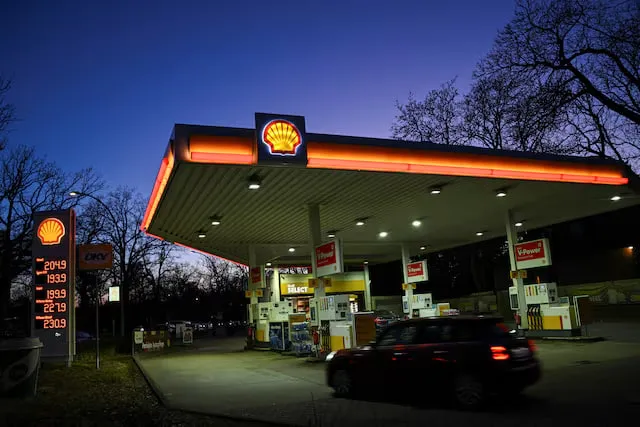
Due to events in the Middle East, Europe has begun experiencing fuel shortages. Drivers are not only forced to pay more but also cannot fill up their tanks due to limits imposed at gas stations. Central Europe has been hit hardest by the crisis.