
The EU has expanded its sanctions regime against Iran over its actions in the Strait of Hormuz
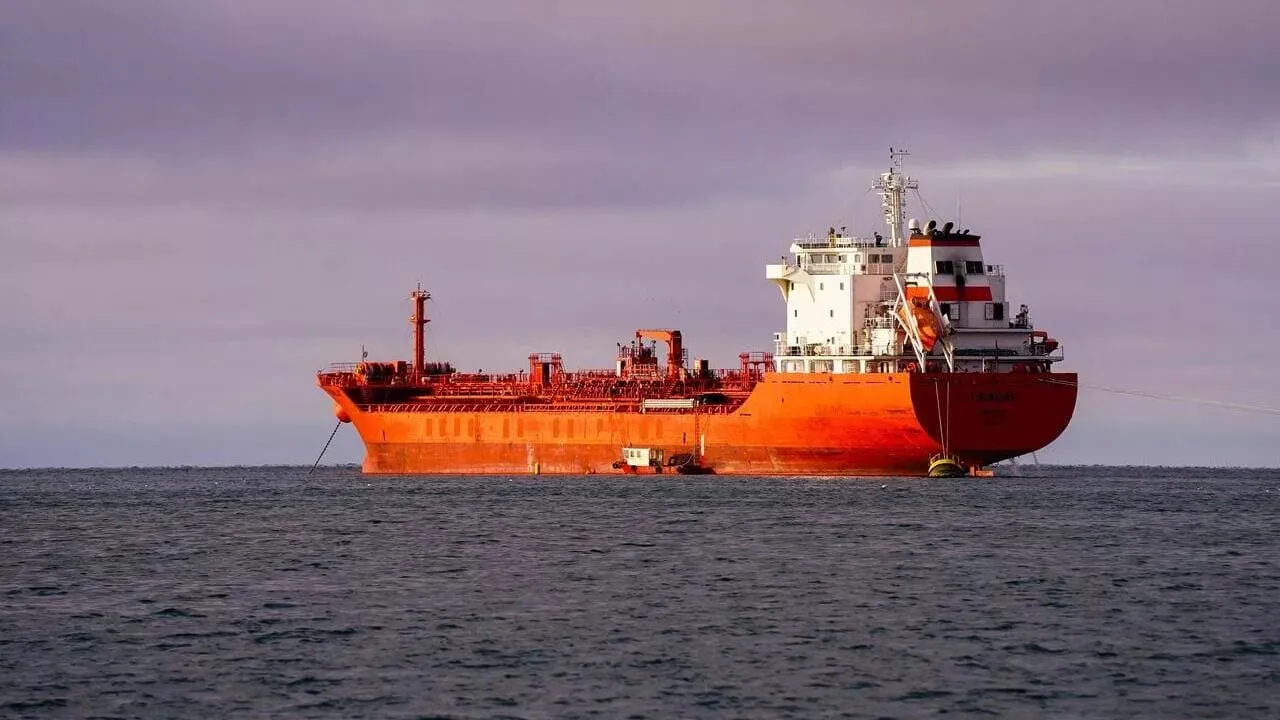
The Council of the European Union has adopted a decision to expand the legal framework for imposing sanctions. This refers to the possibility of applying restrictive measures against individuals and organizations that, in the EU’s assessment, are involved in Iran’s actions that impede lawful transit and freedom of navigation in the Strait of Hormuz.
This is stated in an official press release from the Council of the EU.
“The Council decided today to expand the scope of EU restrictive measures established to address Tehran’s military support for Russia’s aggressive war against Ukraine and various armed groups in the Middle East and the Red Sea region,” the statement notes.
It is noted that the revised sanctions regime will now also target individuals and entities “involved in Iran’s actions and policies that threaten freedom of navigation in the Middle East.”
It adds that the decision implements a political agreement reached at the meeting of the EU Council of Foreign Ministers on April 21, 2026.
“Iran’s actions against vessels transiting the Strait of Hormuz are contrary to international law. Such actions violate established rights to both transit and peaceful passage through international straits,” the statement emphasizes.
Thanks to the amended legal framework, the EU will now be able to impose restrictive measures in response to Iran’s actions that undermine freedom of navigation in the Strait of Hormuz.
It is noted that the sanctions will consist of restrictions on entry into or transit through EU territories for listed individuals and organizations, as well as the freezing of their assets. Additionally, EU citizens and companies are prohibited from providing funds, financial assets, or economic resources to listed individuals and organizations.
The tightening of EU sanctions could complicate Russia’s Arctic logistics operations. This specifically concerns the calls by Russian icebreakers at the Norwegian port of Honningsvåg, which have become part of Russia’s logistics routes in the Arctic. Against the backdrop of the sanctions, it cannot be ruled out that Norway may cease servicing these vessels.
The EU has expandedsanctions against Russia for the abduction of Ukrainian children.
A high-level meeting dedicated to the return of Ukrainian children deported by Russia will take place in Brussels on May 11. It will be jointly hosted by the European Union, Ukraine, and Canada. During the event, participants plan to discuss specific mechanisms for returning the children to Ukraine, as well as steps to hold Russia accountable.
Ukraine has managed to return two children who were left without parental care in Kazakhstan and found themselves in a foreign country. The brother and sister were evacuated from Almaty following a complex, multi-stage operation coordinated by Ukrainian authorities. The children are now safely at home.


