
The EU has extended sanctions against Russia for one year for the first time
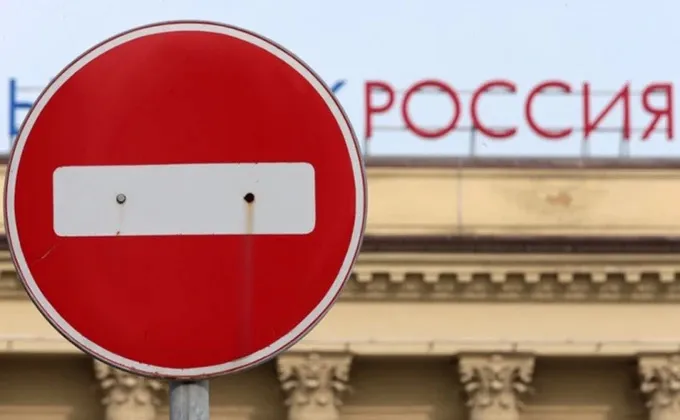
At a summit in Brussels on June 18, the European Union decided to extend sanctions against Russia for the first time—not for the standard six months, but for a full year. In doing so, the EU is departing from its previous practice of reviewing sanctions every six months.
While former Prime Minister Viktor Orbán regularly blocked such initiatives, the new head of the Hungarian government, Péter Magyar, who took office in May, supported the one-year extension of the sanctions.
In addition, for the first time since December 2024, all 27 EU member states unanimously endorsed a declaration regarding Russia’s war against Ukraine. The document states that the European Union intends to increase pressure on Moscow and continue to weaken the Russian military economy in order to compel the Kremlin to engage in substantive peace talks.
At the same time, the details of the 21st sanctions package have not yet been made public. According to media reports, it may include restrictions on entry into the EU for Russian military personnel who participated in the war against Ukraine, as well as sanctions against Patriarch Kirill, head of the Russian Orthodox Church.
The EU Council is expected to officially approve the new sanctions package in the coming weeks, according to Deutsche Welle.
The European Commission plans to propose on June 16 the opening of the first round of negotiations on the accession of Ukraine and Moldova to the European Union.


