
The EU has invited the Taliban to talks in Brussels for the first time – Reuters
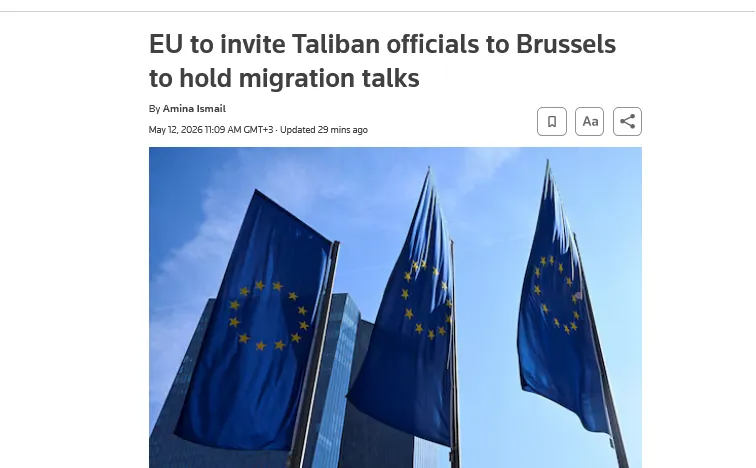
The European Union plans to invite representatives of the Taliban for the first time to an official meeting in Brussels to discuss the deportation of migrants. The talks will take place at the request of several EU countries that need a mechanism for returning Afghan citizens who pose a security threat or have committed crimes.
This was reported by Reuters.
The launch of direct dialogue is driven by the lack of diplomatic relations with Afghanistan following the Taliban’s rise to power in 2021, which currently makes official deportation impossible. An EU representative emphasized that the upcoming visit does not imply diplomatic recognition of the Taliban government but is a continuation of technical consultations that began in Kabul in January 2026. Despite UN sanctions against the movement for terrorist activities, European leaders are seeking pragmatic channels of engagement to resolve the migration crisis.
Currently, hundreds of thousands of Afghans are in Europe with asylum-seeker status following the withdrawal of U.S. and NATO troops. An exact date for the meeting in Brussels has not yet been set, but the parties are preparing an agenda to discuss the logistics of returning migrants to their homeland. The EU’s intentions indicate a willingness to engage in necessary contacts with sanctioned entities to ensure the bloc’s internal security. Brussels also notes that such steps will not affect its stance on human rights in Afghanistan or its sanctions policy against Russia or other regimes.
Russia was the first to officially recognize the Taliban government in Afghanistan.
The Taliban administration is holding talks with Russia and China regarding the transition to settlements in national currencies in bilateral trade.
The Taliban also suspended operations at Afghanistan’s only women’s radio station following a raid on its premises on Tuesday.
Earlier, the Taliban’s supreme leader issued an order banning the construction of windows in residential buildings that face areas used by Afghan women. In existing buildings, such windows must be blocked.


