
The EU has banned 33 Russian banks from using SWIFT, but not Gazprom
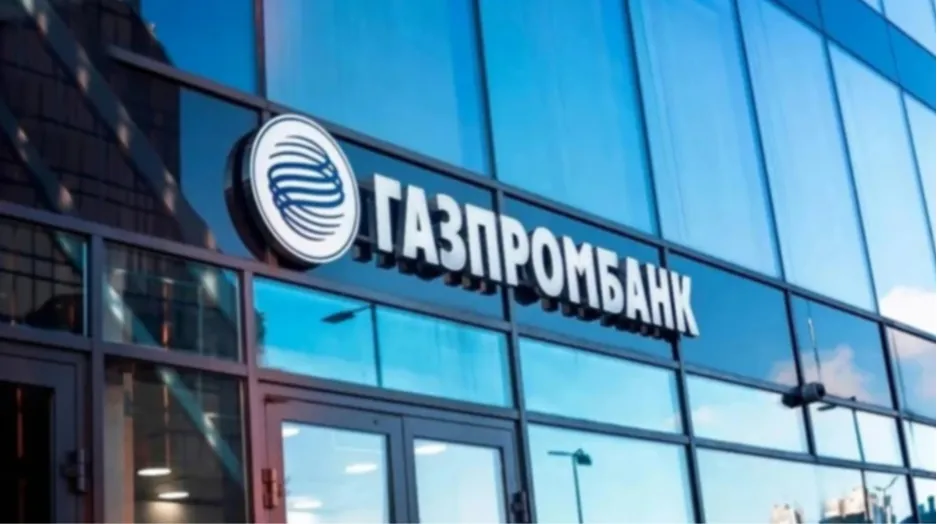
As part of the sanctions imposed on July 23, the European Union banned 33 Russian banks from using the SWIFT international payment system. The restrictions affected nearly half of Russia’s banking sector, including institutions classified as systemically important banks.
European Commission officials announced
this on Thursday during a briefing in Brussels while discussing the details of the sanctions adopted as part of the 21st sanctions package.
“We have 33 Russian banks that are partially subject to a transaction ban. But it is important to note that the transaction ban also includes de-SWIFT. And this really hurts, because it means that transactions and messaging worldwide via the SWIFT system will no longer be possible for these banks. Right now, we’re focusing on those large regional banks, or those that are taking over other banks that are already subject to transaction bans,” he said, outlining the new sanctions.
Banks in third countries that facilitate the circumvention of EU sanctions have also been added to the sanctions list.
“This time, we have three banks that are prohibited from facilitating circumvention, one of which is in Mongolia, two subsidiaries of Russian banks in India—Sberbank and BTB—and a Chinese bank that continues to stubbornly use Russian systems, including the MIR system, which is a Visa-like credit card system used in Russia as well,” the source explained to reporters.
At the same time, following discussions with banks that had previously been added to the list, a decision was made to remove them; specifically, this concerns banks in third countries.
“For example, we were able to lift sanctions against Yelo Bank in Azerbaijan because they disconnected from all Russian systems and implemented other reliable workarounds,” a European official explained.
Responding to questions from journalists, he stated that Gazprom and Raiffeisen are not included on the current list.
“Gazprom Bank is not on the list and is not subject to the transaction ban—certain legitimate trade is still taking place, so we cannot cut off all channels,” the official added.
Another European official noted that, as a result, 94 Russian banks are now subject to a “complete sanctions blockade” by the European Union. “Typically, these are either banks that were previously subject to transaction bans—and so we are now tightening the screws on these targets—or they are simply banks that have not yet been subject to any EU sanctions. As a result of today’s list, the asset freezes, and transaction bans, the EU has, as of today, imposed sanctions on approximately 50% of Russia’s entire banking sector. And in fact, this is 50% in terms of the number of banks. But if you look at revenue, assets, and the number of transactions, it represents the top half, including the vast majority of Russia’s so-called systemic banks,” he emphasized.
As a reminder, the European Union approved its 21st package of sanctions against Russia in response to its aggression against Ukraine. The new restrictions target the financial sector, the energy sector, the military-industrial complex, the shadow fleet, and schemes to circumvent sanctions.
As part of the 21st sanctions package, the Council of the European Union decided to suspend the automatic adjustment of the price cap mechanism on Russian oil until July 15, 2027.
Earlier, the Ukrainian Ministry of Foreign Affairs called for tougher sanctions following Russia’s attack on a tanker near Romania.


