
The European Commission has announced a major investment package for Moldova worth 641 million euros
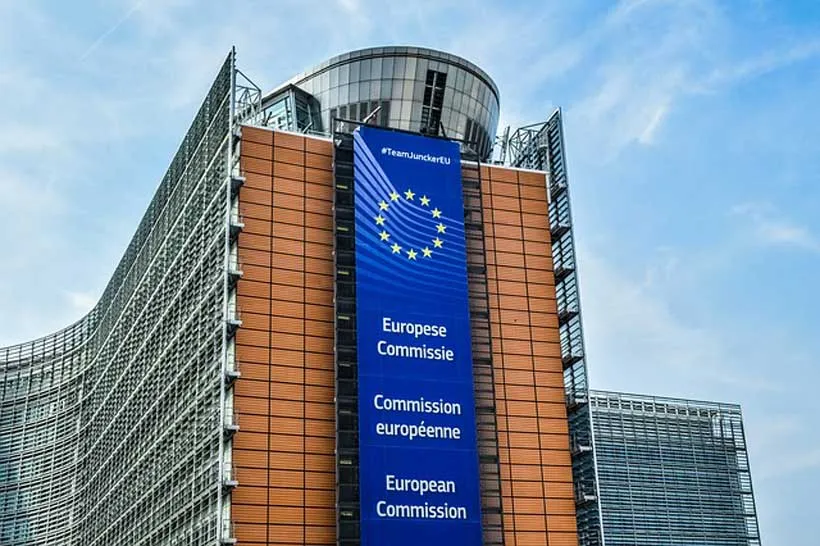
The European Commission has announced plans to allocate up to 641 million euros to develop and support Moldova’s economy. This was stated by European Commissioner for Enlargement Marta Kos during her visit to Chisinau.
The financial initiative will be implemented in close coordination with international financial institutions, as well as with the involvement of public and private partners.
New investments will be directed toward sectors of strategic importance to the country. Funding will be allocated to the energy sector, digital infrastructure, education, and sustainable agriculture. The main goal of this large-scale program is to significantly strengthen Moldova’s economic resilience, modernize its domestic infrastructure, and significantly accelerate the country’s integration into the European single market.
The total amount of the package will be drawn from several sources. Specifically, up to 433 million euros is planned to be provided in the form of non-repayable grants from the European Union, financial guarantees, and preferential loans in cooperation with leading institutions, including the European Investment Bank (EIB) and the European Bank for Reconstruction and Development (EBRD). An additional €208 million is expected to be raised as direct investment from the private sector—eight interested companies have already signed official “letters of intent.”
This step marks another phase of financial support for Chisinau from Brussels. Moldova has previously successfully received 504 million euros as part of a broader European Commission program called the “Growth Plan,” with a total budget of 1.9 billion euros.
This was reported by “European Truth.”
The European Union plans to officially open the first “Fundamentals” negotiation cluster for Ukraine and Moldova during separate intergovernmental conferences to be held on June 15, 2026, in Luxembourg.
Ukraine and the European Union may open two negotiation clusters as early as June as part of the accession process. The decision was made possible by positive momentum in negotiations, particularly with Hungary regarding issues related to national minorities. A final decision is expected during international meetings in the middle of the month.


