
Femi Falana urges Nigerian government to stop petrol imports
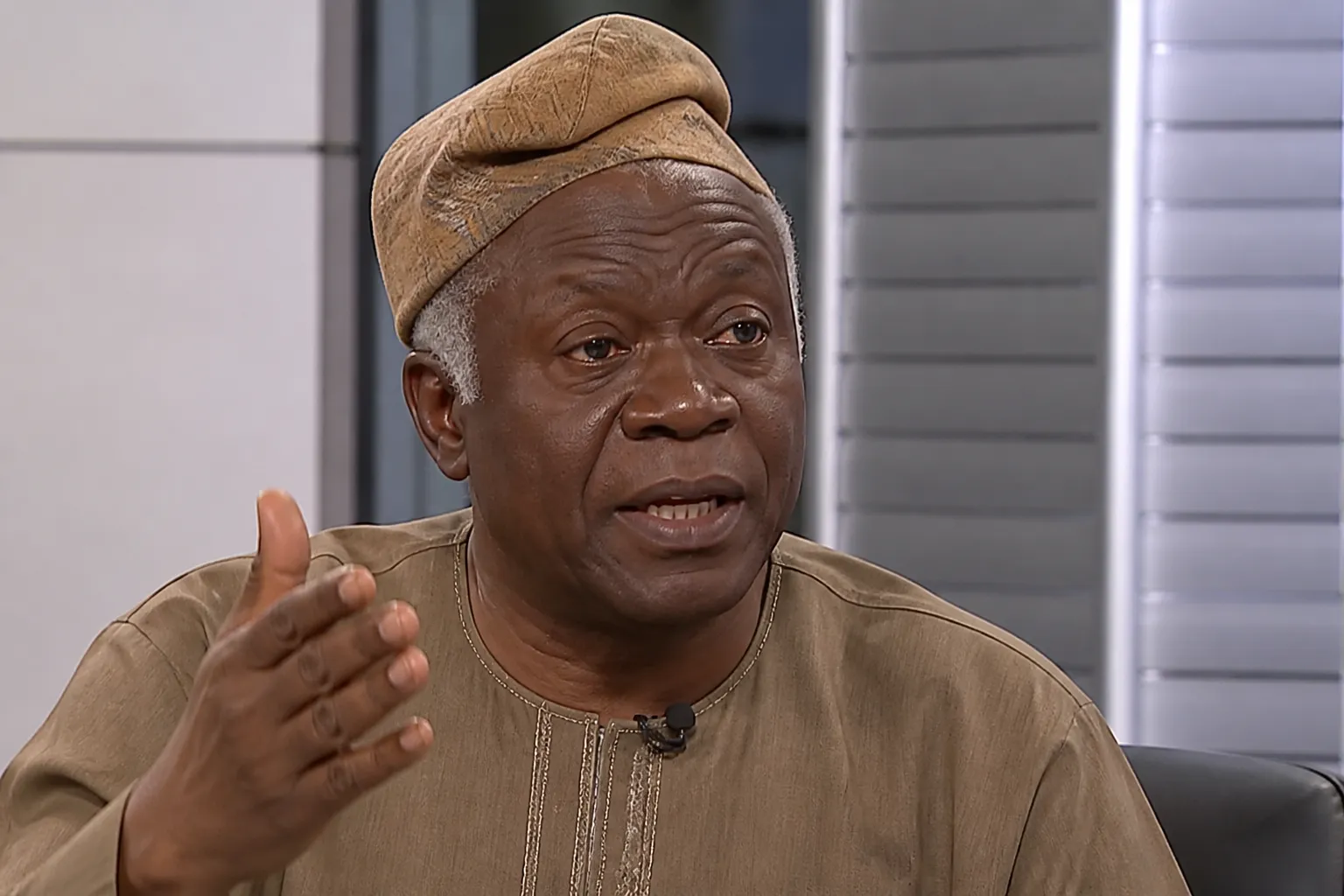
Nigerian human rights lawyer and Senior Advocate of Nigeria Femi Falana has urged the federal government to stop importing petrol and supply local refineries with 450,000 barrels of crude oil that, he said, are allocated daily for domestic consumption.
As Premium Times Nigeria reports, Falana spoke on Channels Television’s Sunday Politics programme. He said that supplying feedstock to domestic processors could reduce the country’s dependence on imported petroleum products and ease economic hardship following the removal of the petrol subsidy in May 2023.
Imports and local refineries
Falana questioned the continued purchase of fuel abroad despite the operation of local refineries and Nigeria’s own crude oil reserves. According to him, fuel imports account for about 43% of domestic consumption. He also drew attention to the operations of the Dangote refinery, which supplies petroleum products to the domestic market and exports part of its output.
In August, the Nigerian Upstream Petroleum Regulatory Commission reported that domestic processors received 53.7 million barrels of crude oil and condensate in the second quarter of 2026. About 98% of the volume actually supplied to local refineries went to the Dangote plant.
More current news is available on the UA.News Telegram channel Telegram.
Reporting requirements
The lawyer said that the Nigerian National Petroleum Company must explain how the daily volume of 450,000 barrels intended for domestic consumption is used. In his view, the government should ensure that this feedstock is processed in the country rather than spending scarce foreign currency on petrol imports.
Falana also urged federal, state and local authorities to report on the use of additional revenues following the removal of the subsidy. He said that the federal government had previously budgeted approximately $10 billion a year for fuel imports, while a significant portion of the savings, according to him, is now directed toward debt servicing.
In addition, the human rights lawyer criticized the influence of the International Monetary Fund and the World Bank on Nigeria’s economic policy. He also proposed implementing the Supreme Court ruling on the direct transfer of statutory budget allocations to local government authorities.


