
Russia's Federal Tax Service has begun conducting widespread audits of the income of the unemployed due to the budget deficit
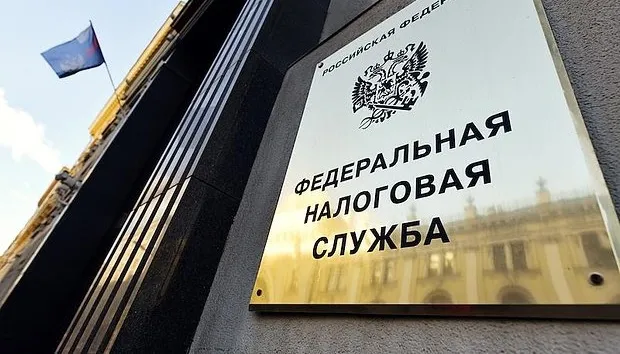
Russia’s Federal Tax Service has begun sending out mass notifications to citizens of working age who have no official income but make large purchases. Tax officials are trying to identify possible hidden sources of income amid a growing budget deficit.
The audits primarily target residents of Moscow, which accounts for about 30% of Russia’s personal income tax revenue.
The Federal Tax Service is interested in citizens who purchase real estate or vehicles without obvious official sources of income. When summoned to the tax authorities, they are asked where the funds came from and whether they rent out property.
The tightening of controls is linked to problems with the Russian budget. As of the first half of 2026, the Russian Federation’s federal budget deficit reached 5.7, or about $71 billion, which is 1.6 times higher than the target for the entire year.
Experts note that it is becoming increasingly difficult for the tax service and the Russian Ministry of Finance to meet their revenue collection targets. At the same time, the volume of informal business transactions and the demand for cash are growing in the country.
According to the Central Bank of the Russian Federation, the amount of cash in circulation has increased by $25 billion since the beginning of the year, which is twice as much as in the entire previous year.
As a reminder, Ukraine received a new tranche of 3.47 billion euros from the EU.
The European Union plans to provide Ukraine with 920 million euros to restore and strengthen its energy infrastructure ahead of the winter season. This was announced by European Commission President Ursula von der Leyen.
As a reminder, Zelenskyy presented Ursula von der Leyen with Ukraine’s first Order of Europe.


