
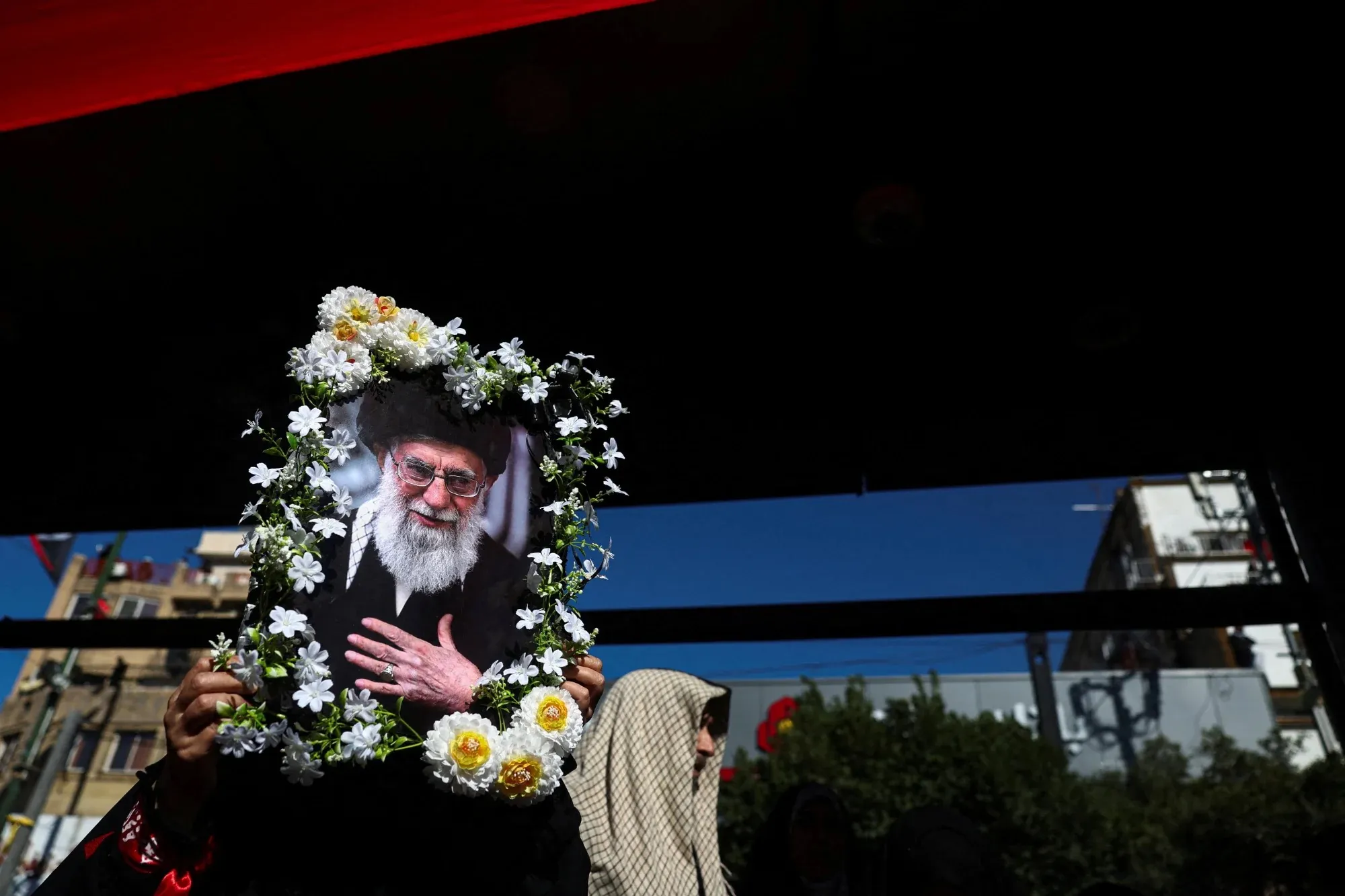
Photo: Khamenei's funeral has concluded in Iran
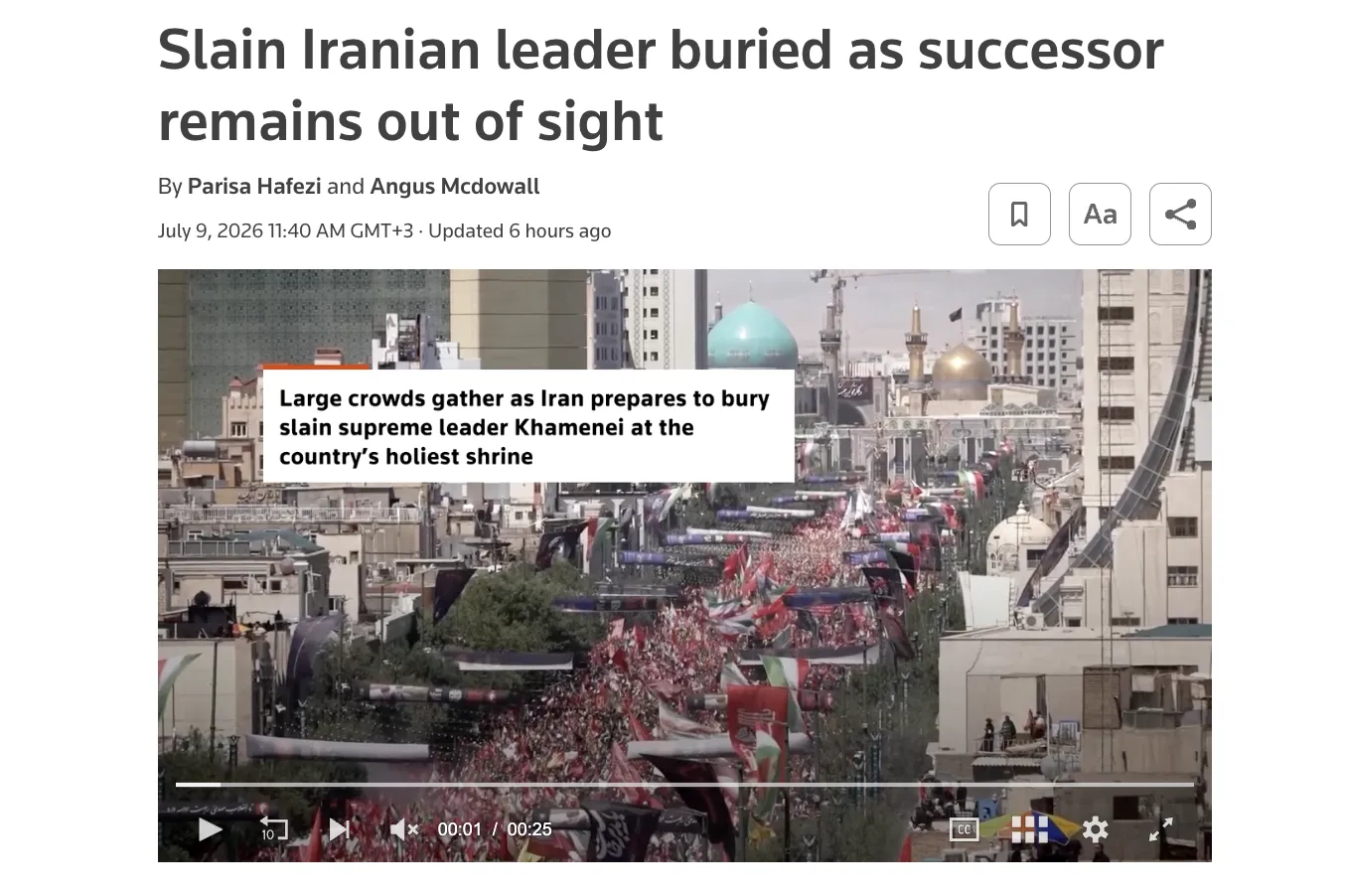
The funeral ceremony for Supreme Leader Ali Khamenei, who died on the first day of the war between the U.S. and Iran, has concluded in Iran. Thousands of people gathered to pay their respects, but his son and likely successor did not appear in public.
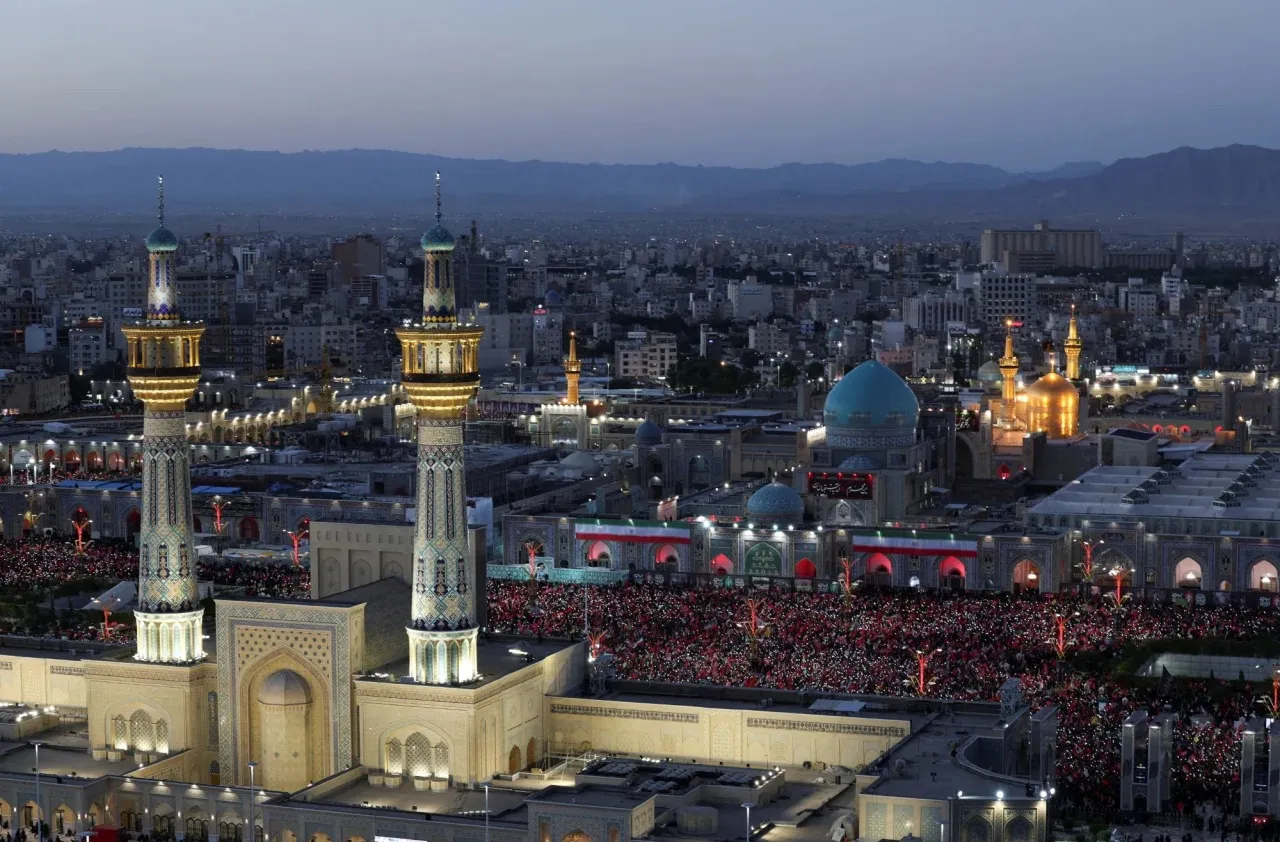
Khamenei was buried in the Imam Reza Shrine—the country’s largest shrine, located in the Supreme Leader’s hometown of Mashhad. The funeral concluded after mass processions and mourning ceremonies that continued despite the breakdown of the ceasefire with the U.S.
Reuters reports that on July 9, Khamenei’s body was slowly transported by truck through the crowded streets of Mashhad to the Imam Reza Shrine, with clerics in white turbans walking on either side. People dressed in black followed behind, waving Iranian flags, photographs of the late Khamenei, and red posters bearing revolutionary slogans.
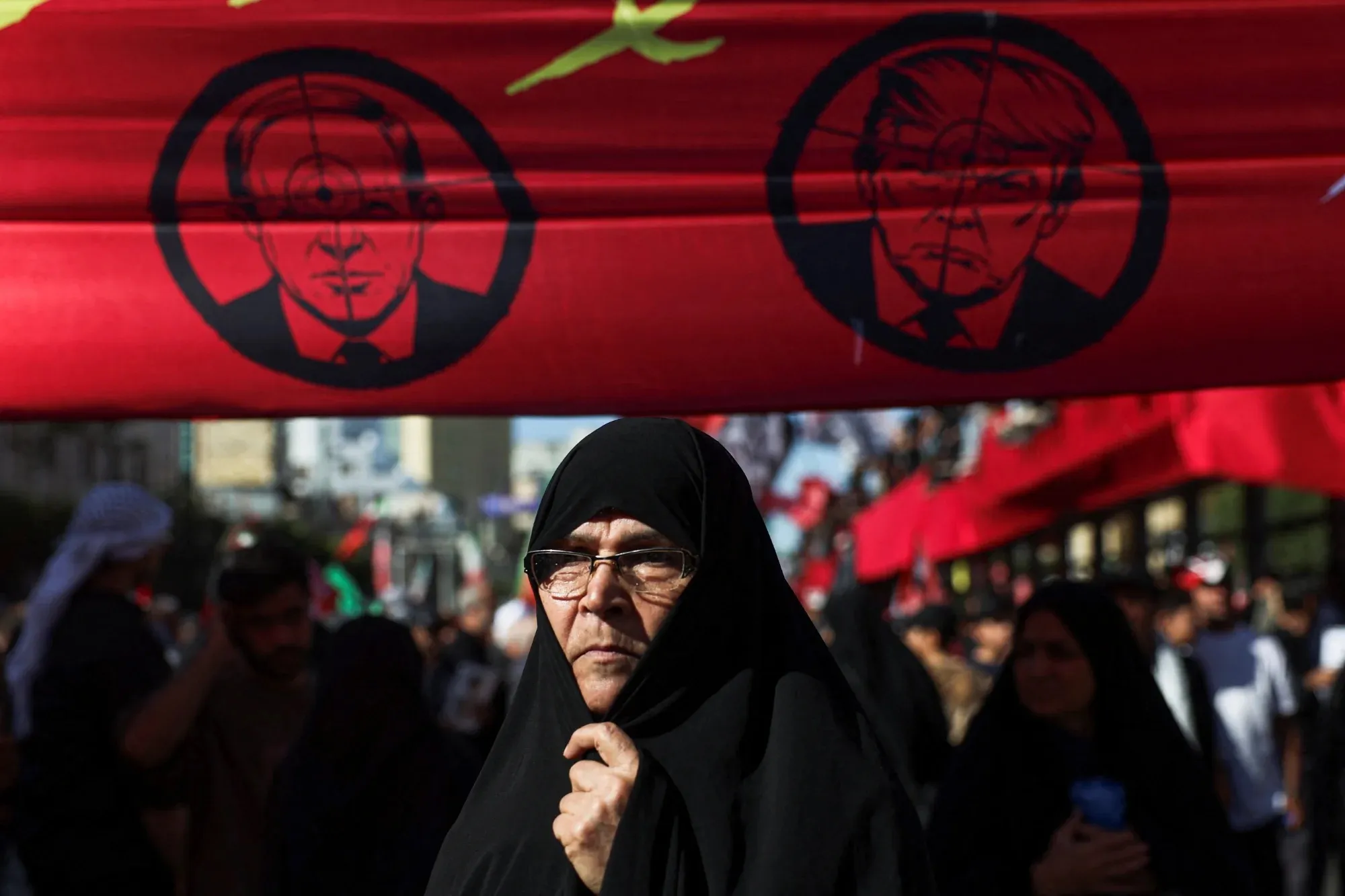
In particular, Iranians called for revenge against U.S. President Donald Trump for the assassination of Khamenei.
“I swear by the blood of the Supreme Leader, Trump, we will kill you!” they shouted, while women held signs reading “Kill Trump.”
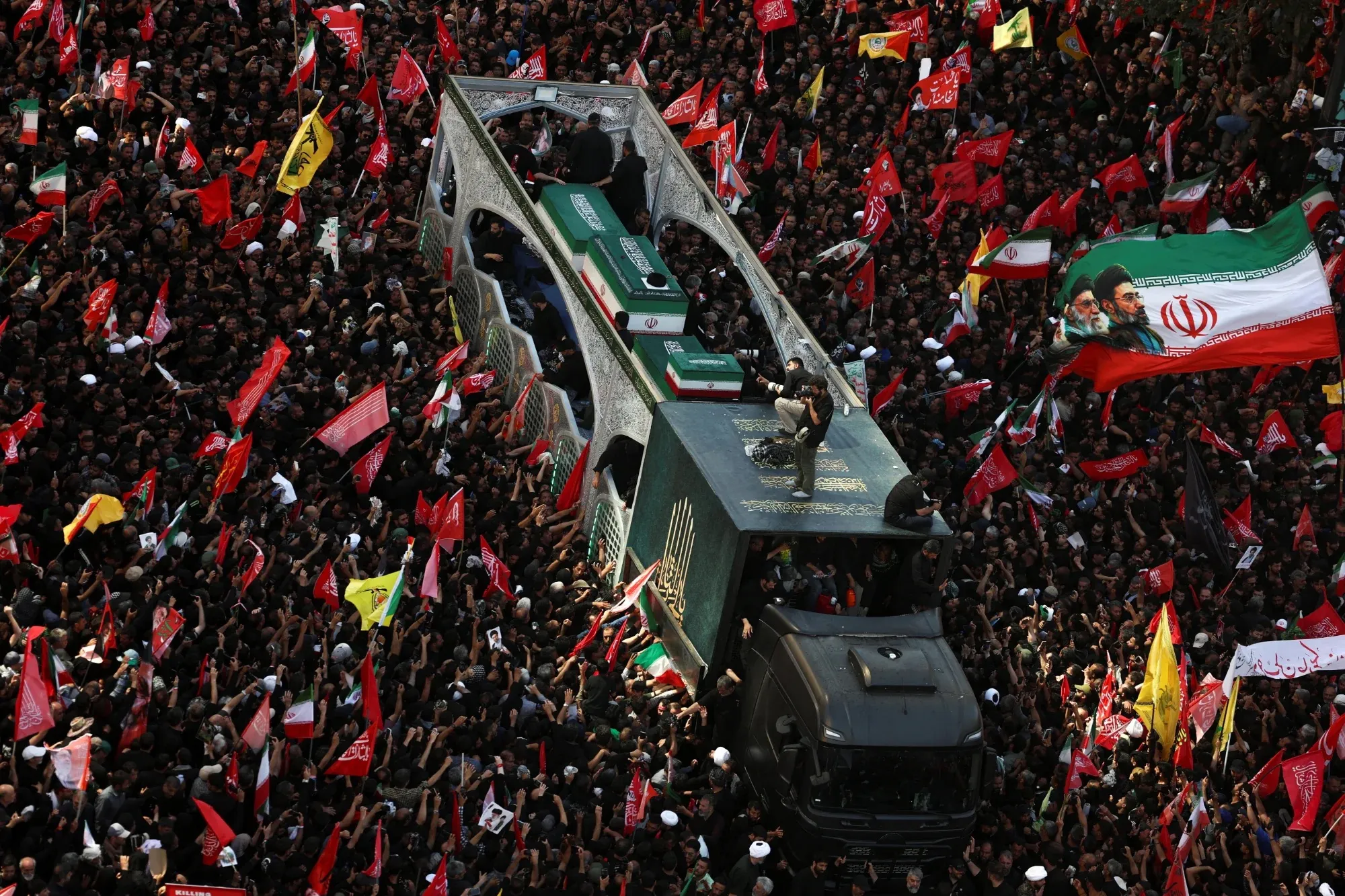
Upon arrival at the Imam Reza Shrine, a helicopter lifted Khamenei’s coffin from a truck above the crowd to transport it to the mosque. Four members of his family, who also died on February 28, were buried alongside Khamenei.
The burial of Khamenei’s remains concluded a procession that had been underway since July 4. During that time, the leader’s coffin was carried through Tehran, the Shiite spiritual center of Qom, and the Iraqi holy cities of Najaf and Karbala.
His son and successor, Mojtaba Khamenei, did not appear in public during his father’s funeral ceremony. His whereabouts remain unknown. Mojtaba Khamenei was proclaimed Supreme Leader in early March, a week after his father’s death. However, he has not made a single public appearance, though he has issued written statements without photos or video.
It is known that Mojtaba Khamenei was seriously injured in the airstrike that killed his father. High-ranking sources in Tehran say he is recovering but does not yet feel well enough. State security services are also trying to limit his public appearances due to the threat of new U.S. strikes, Reuters reports.
On July 9, oil tanker traffic through the Strait of Hormuz came to a near standstill. This was caused by new U.S. strikes on Iran, Tehran’s response, and a sharp increase in risks to shipping in the region.
On Thursday, July 9, Iran announced that it had fired ten ballistic missiles at a U.S. military base in Jordan. Meanwhile, Jordanian authorities reported that all missiles were intercepted, and there were no reports of damage or casualties.
Despite this new round of conflict in the Middle East, Iran maintains that it has not abandoned diplomacy and is attempting to restore relations with the Gulf states. Officials in Tehran claim that the U.S. and the West have mistakenly interpreted their willingness to negotiate as a sign of weakness.


