
FPCCI calls Pakistani government’s austerity measures an economic curfew — Dawn
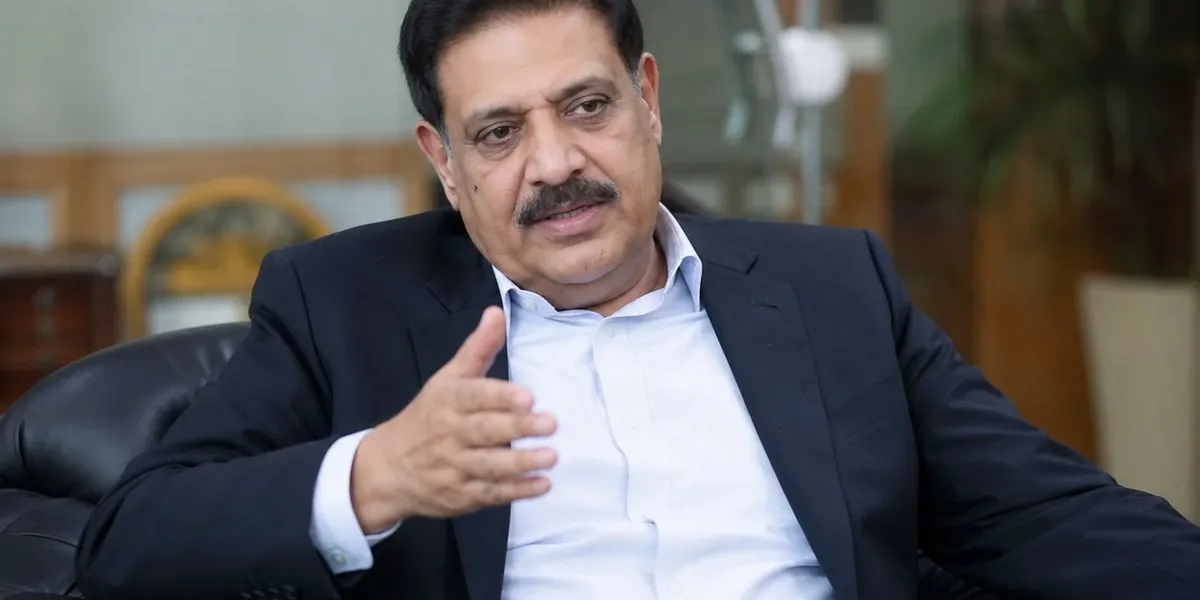
In Pakistan, Adil Siddiqui, a member of the Executive Committee of the Federation of Pakistan Chambers of Commerce and Industry (FPCCI), criticized the government’s austerity measures, calling them an economic curfew. He stated that restrictions are being imposed on the public, while substantial government spending, in his view, remains untouched.
As Dawn reports, the prime minister approved a 50% reduction in petrol limits for government vehicles, a ban on the purchase of new vehicles and durable goods, as well as restrictions on officials’ foreign travel. The plan also provides for limits on business- and club-class flights, a ban on seminars and conferences funded by the state, a 5% cut in non-essential spending, and the early closure of markets and wedding halls.
Criticism of restrictions for business
Siddiqui believes that reducing shop operating hours will not save fuel, since freight transport and supply chains operate around the clock. According to him, wedding halls use diesel fuel, so closing them at 10:00 p.m. will not affect petrol consumption.
He also stated that limiting the number of dishes at events will not reduce fuel costs or the country’s oil import bill. In his view, the main fuel consumption comes from freight transport, agriculture, and industrial production. Siddiqui added that with petrol priced at 391 rupees per litre and diesel at 425 rupees per litre, the state collects 105.65 rupees in various taxes and levies.
More current news is available on the UA.News Telegram channel Telegram.
FPCCI proposals
The FPCCI representative noted that government vehicles account for only a small share of total fuel consumption, while the 5% cut in non-essential spending is symbolic. He claimed that the measures do not cover 1,071 billion rupees in federal expenditures.
Siddiqui referred to reported losses of state-owned enterprises, including Pakistan Railways — 60 billion rupees, the National Highway Authority — 295 billion rupees, Qesco — 113 billion rupees, and Pesco — 93 billion rupees. He proposed cutting by 10% financial support for loss-making state-owned enterprises, which he estimated at 2,078 billion rupees. In his view, this could save about 200 billion rupees.
He also called for abolishing or substantially reducing the fuel levy of 105 rupees per litre, introducing targeted fuel subsidies for commercial carriers, and suspending daily fuel price reviews. Siddiqui proposed convening an emergency economic council involving businesses, carriers, and energy experts.


