
Holiday on September 20, 2026 — Paella Day: How the Famous Spanish Dish Came to Be
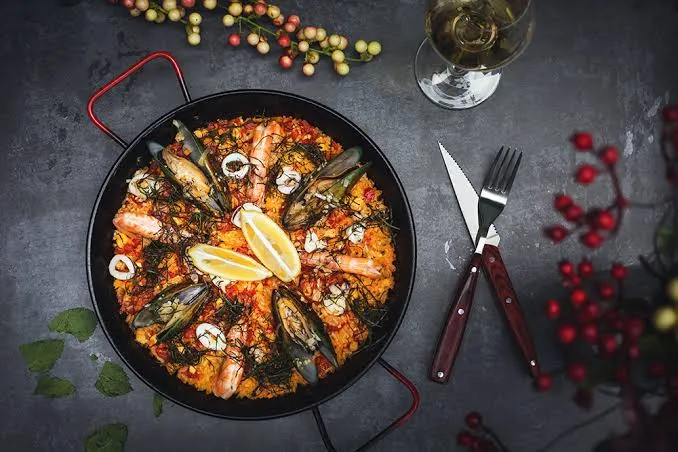
On September 20, the world celebrates World Paella Day—a celebration of one of the most famous dishes in Spanish cuisine. Paella originated in Valencia, but has long since spread far beyond Spain’s borders and become popular in countries around the world. On this day, Valencia hosts culinary events, and chefs from different countries compete for the title of best paella master.
World Paella Day is celebrated annually on September 20. The date is no coincidence—it’s linked to Valencia and its rice fields. It is in September, in the Albufera region near Valencia, that the rice growing and harvesting cycle comes to an end. After the harvest, rice becomes one of the main ingredients used to prepare the region’s traditional dishes. That is why September 20 has become a symbolic date for this celebration, which combines gastronomy, local culture, and the international popularity of paella.
In 2026, World Paella Day falls on Sunday, September 20. On that same day, Valencia will host the finals of the World Paella Day Cup—an international culinary competition in which chefs from various countries present their own versions of paella. The organizers hold qualifying rounds in various cities around the world, after which the finalists gather in Valencia. The contest rules specify that the grand final of 2026 will take place on September 20.
How the Holiday Came to Be
World Paella Day was created to promote Valencian cuisine and paella itself as a dish that has gone global. The idea behind it is not just for people to cook rice with meat or seafood. The holiday aims to show how a local dish from a specific region has become part of the world’s culinary culture.
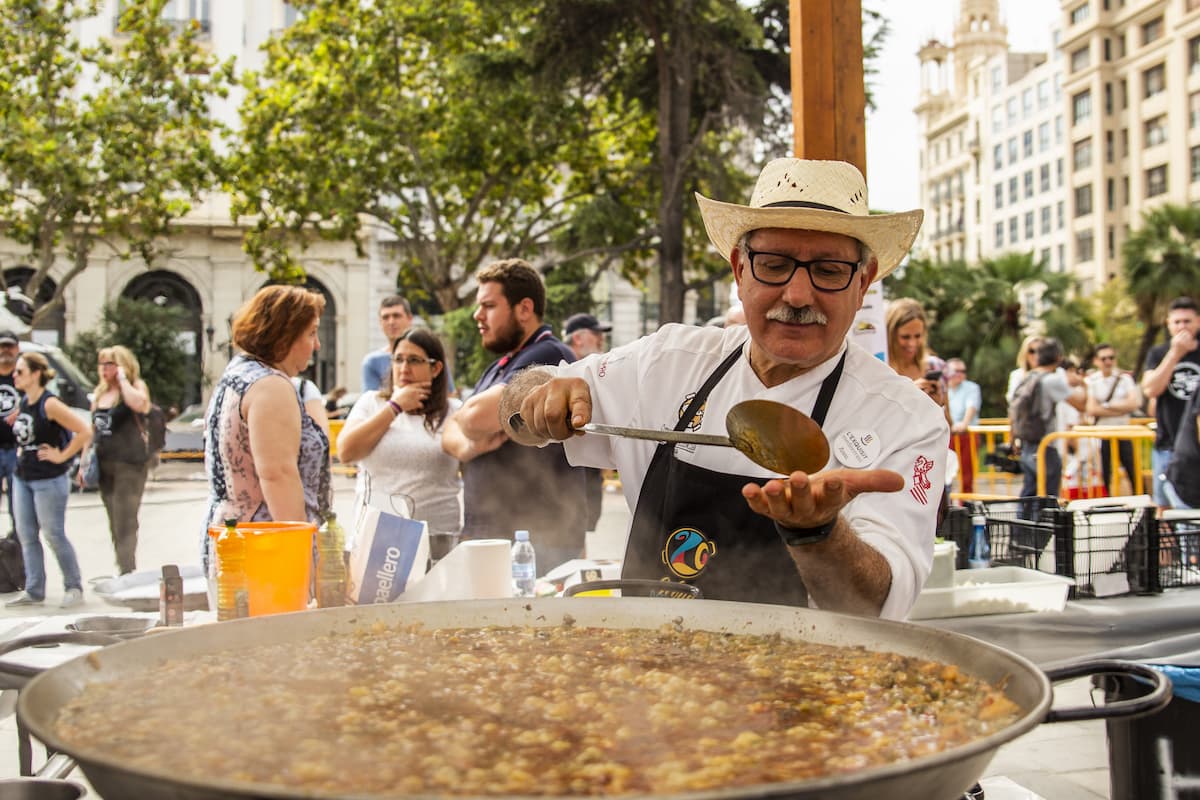
In Valencia, paella has long been much more than just a meal. It is traditionally prepared for family and friends, and the cooking process often becomes a special part of the gathering. A large pan is placed in the center of the table, and the finished dish can be eaten right from it. It is precisely this atmosphere of cooking and eating together that has become one of the reasons why paella is seen as a symbol of Valencia.
Where Paella Originated
Valencia is considered the birthplace of paella, or more specifically, the Albufera region. It is a nature park and a large wetland area near the city where rice has been grown for centuries. It was here that the conditions were right for the emergence of a dish that could feed many people and was made from affordable local ingredients.
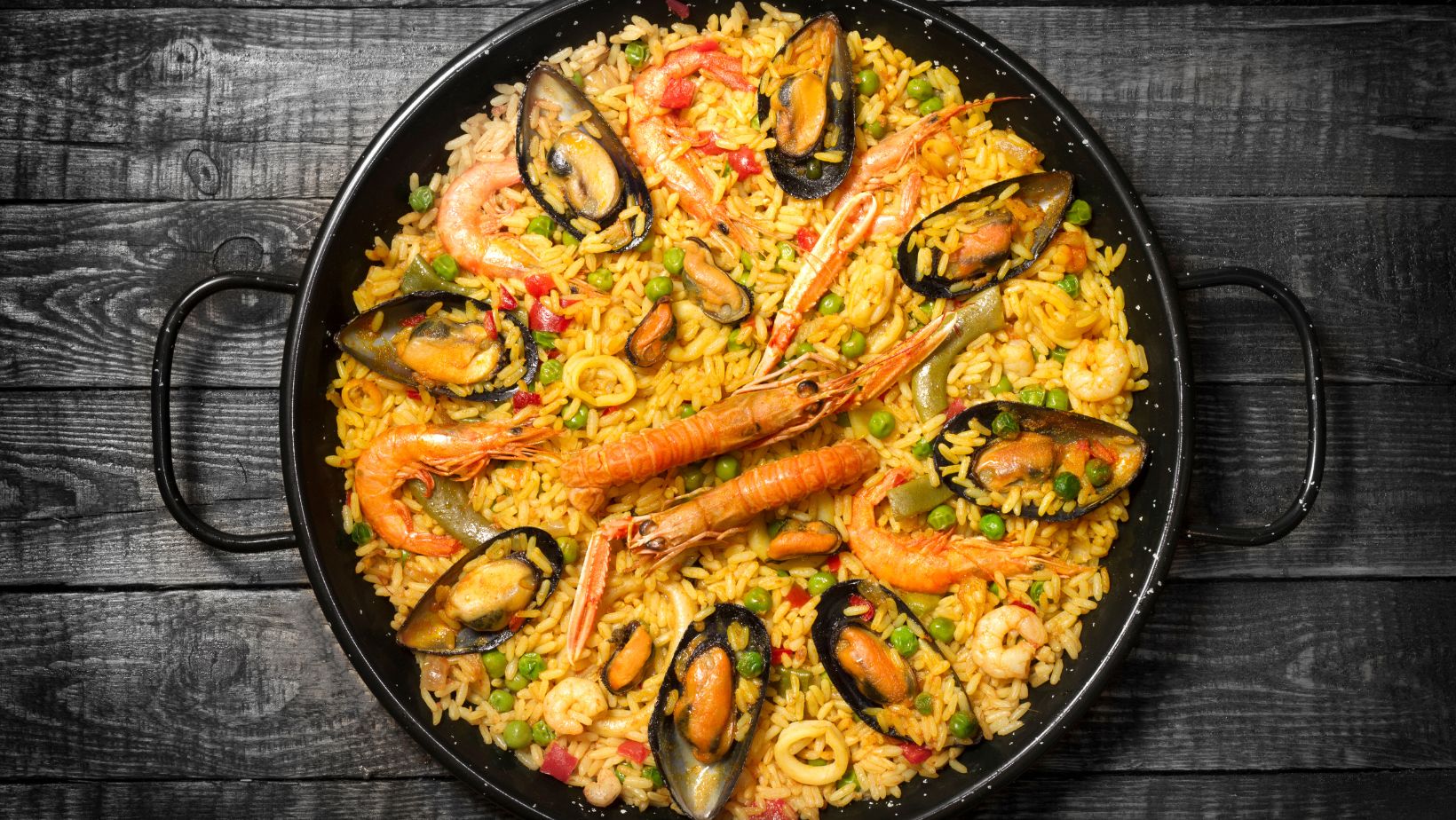
According to Visit Valencia, Valencian paella took shape around the 16th century, although the earliest documented references to it date back to the 18th century. Peasants and farmworkers prepared hearty meals right where they worked. They had rice, vegetables, water, firewood, as well as rabbit and poultry. All of this could be cooked in a single wide pan right over an open fire. This is how, little by little, the dish that is known throughout the world today came to be. At first, it was simply a convenient and nutritious meal for people who worked the land. Later, paella became part of Valencian home cooking, spread to other cities, and in the 20th century, thanks to the growth of tourism, became Spain’s international culinary calling card.
Why Paella Became a Symbol of Valencia
In Valencia, paella is taken very seriously. For locals, it’s not just a rice dish—it’s part of their cultural heritage. Traditional Valencian paella has its own set of ingredients and cooking rules, although different parts of the region have their own variations.

The classic version is usually made with chicken, rabbit, green beans, and garrofón—a large white variety of beans. Tomatoes, olive oil, saffron, paprika, water, and rice are also used. In some areas, snails, artichokes, duck, or other local ingredients may be added. That’s why debates over which recipe can be called the “authentic” paella have been going on for years in Valencia. The cookware itself is also important. Paella is traditionally cooked in a wide metal pan with two handles. This allows the rice to lie in a thin layer and cook evenly. In the classic version, the dish is cooked over an open fire, although at home it’s perfectly fine to use a gas stove or another heat source.
What Does the Word “Paella” Mean?
The name of the dish comes from the name of the cookware in which it is prepared. In the Valencian language, the word “paella” means “frying pan.” It, in turn, derives from the Latin word “patella,” which referred to a large metal plate or vessel.
In other words, the name of the dish is literally associated not with a specific ingredient, but with the method of its preparation. Over time, the word came to refer not only to the pan but also to the dish itself. Today, this name is known far beyond the borders of Spain.
What Kind of Rice Is Used for Paella
Rice is one of the main secrets to a good paella. Short- or medium-grain varieties work best for this dish, as they absorb the flavor of the broth and spices well without turning into mush.
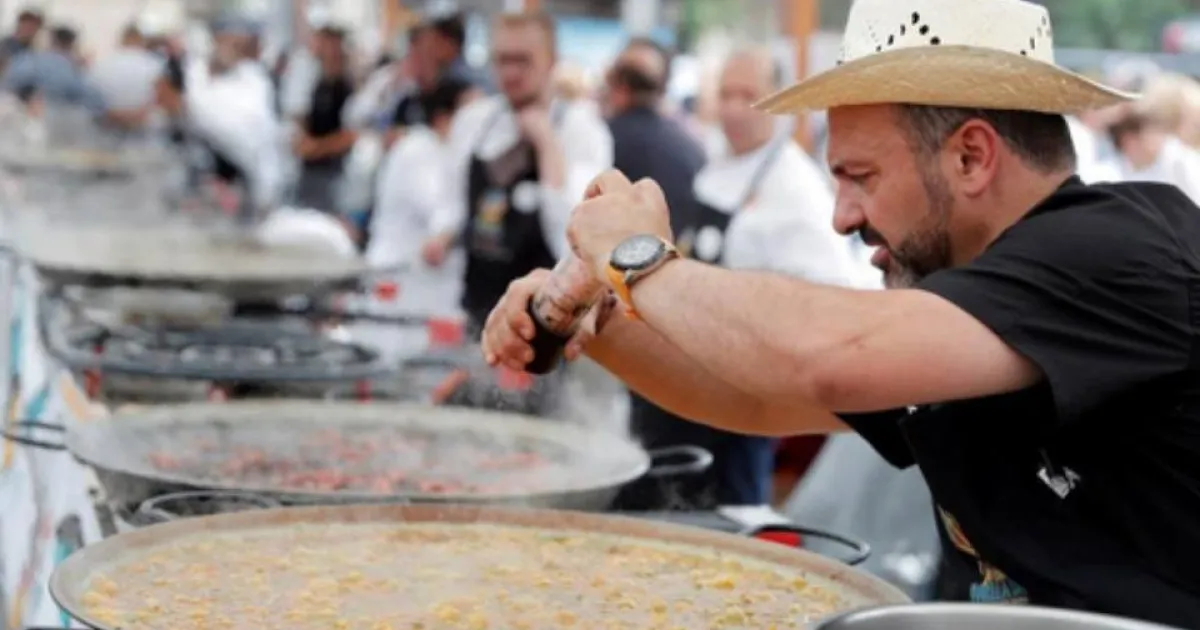
In Valencia, the Bomba, Senia, and Albufera varieties—grown locally—are particularly prized. They’re well-suited for making paella because they absorb a lot of liquid and flavor. If these varieties aren’t available, you can use another type of round-grain rice at home. Long-grain rice, however, is considered a poor choice for classic paella.
Is there such a thing as seafood paella?
Yes, and this is where confusion often arises. Around the world, the word “paella” refers to a wide variety of dishes made with rice, chicken, seafood, vegetables, and various sauces. In Valencia, however, traditional paella with chicken and rabbit is distinguished from other rice dishes.
Paella with shrimp, mussels, squid, and other seafood is also a popular Spanish dish. But proponents of the classic Valencian tradition emphasize that seafood is not part of traditional Valencian paella. At the same time, in Valencia itself, there are many other rice recipes that are prepared in the same wide pan.
How World Paella Day Is Celebrated
On this day, the main thing is to make paella and share it with others. In various countries, restaurants host special dinners, tastings, and culinary events. People cook the dish at home, take photos of the results, and post them on social media. They use the hashtag #WorldPaellaDay for this. The holiday is celebrated separately in Valencia itself. Gastronomic events dedicated to rice and local cuisine take place there. Chefs from various countries come to the city, and paella becomes the centerpiece of an international culinary competition.
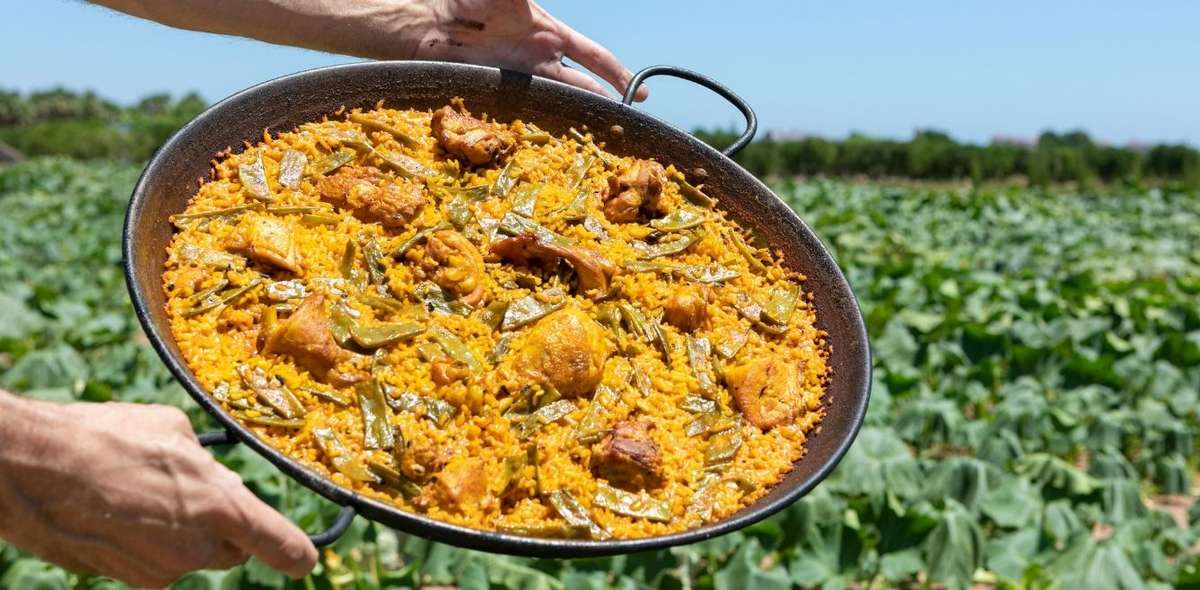
Over the years, World Paella Day events have been held not only in Spain. Cities in Europe, the U.S., Latin America, and other regions have joined in the celebration. For example, in 2021, events took place in more than 30 countries, and in Valencia, restaurants held special weeks dedicated to rice dishes.
World Paella Day Cup
One of the main events of the celebration is the World Paella Day Cup—an international competition in which chefs from different countries compete in preparing paella. Participants are selected through international qualifying rounds, and the finalists travel to Valencia. Before the final, they can undergo special training and familiarize themselves with local ingredients and traditions.
In the competition, each chef chooses the recipe they will use. At the same time, there is an important requirement for the final dish: the rice must be dry, fluffy, intact, and full of flavor. In other words, the organizers evaluate not just the presentation, but the quality of the rice and the paella itself. In 2026, the international qualifying rounds took place in various countries and on different continents. Among the cities hosting the qualifying rounds were Bucharest, Nîmes, Querétaro, Tokyo, Quito, Zurich, Copenhagen, Burgas, Barranquilla, and San Juan. The grand finale is scheduled to take place in Valencia on September 20, 2026.
Fun Facts About Paella
Paella is so popular that every year, there are about eight million online search queries related to this dish. Its popularity has long extended beyond Spain’s borders. In many countries around the world, paella has become one of the first symbols of Spanish cuisine, alongside tapas and other well-known dishes.
Another interesting fact is that paella has its own emoji. You can see it on smartphones and social media alongside other food images. This is a good example of just how recognizable the dish has become in global culture.
There are also a huge number of regional variations. Some versions include duck, others artichokes, snails, or meatballs. As a result, paella can vary greatly depending on where it’s prepared. At the same time, the Valencian version remains the foundation of this culinary tradition.
Recipe for Classic Valencian Paella
If you want to celebrate World Paella Day as close to tradition as possible, you can prepare the Valencian version with chicken and rabbit. This combination of meats, along with beans and rice, is considered the foundation of traditional Valencian paella.

Ingredients for 4–6 servings
- 400 g short-grain rice;
- 500 g chicken;
- 300–400 g rabbit meat;
- 150 g green beans;
- 100–150 g garrofón beans or large white beans;
- 2–3 tomatoes;
- 3 cloves of garlic;
- 60–70 ml olive oil;
- 1 tsp sweet paprika;
- a few strands of saffron;
- 1 sprig of rosemary;
- about 1–1.2 L water or light broth;
- salt to taste;
- a lemon for serving.
How to prepare
First, heat a wide paella pan well and add olive oil. Add the chicken and rabbit, season with salt, and brown the meat until golden. Don’t rush to flip the pieces every few seconds—they should brown well. Then add the green beans and garrofón beans. Sauté the vegetables with the meat for a few minutes. Add the chopped tomatoes and garlic and continue cooking until the vegetables are tender.

Next, add the paprika and pour in the water or broth. Add the saffron and a sprig of rosemary. Bring the liquid to a boil and let it simmer for about 15–20 minutes so the broth absorbs the flavors of the meat and vegetables. Now sprinkle the rice evenly over the top. Spread it evenly across the pan and do not stir it afterward. Paella differs from many other rice dishes precisely because the rice simmers gently in the aromatic broth and gradually absorbs it.
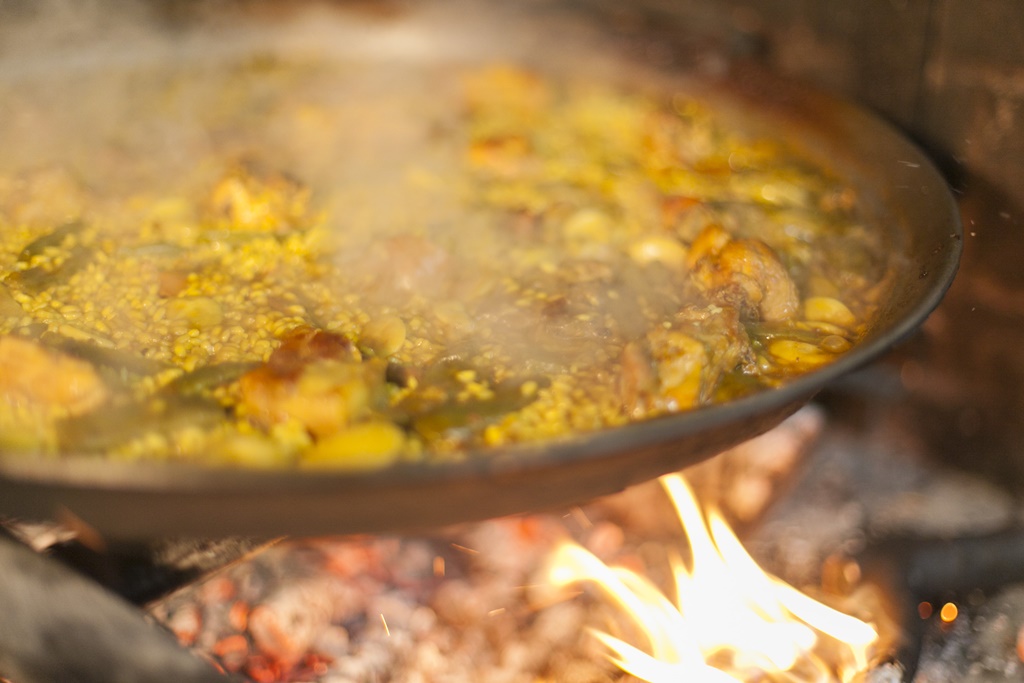
Cook for about 18–20 minutes. You can start with a higher heat and then reduce it. Toward the end, you can increase the heat slightly to form a thin, crispy crust—socarrat—on the bottom. It is this crust that many paella enthusiasts particularly appreciate. Let the finished paella rest for about 5 minutes. Before serving, garnish it with a sprig of rosemary and serve with lemon wedges. In Valencia, paella is often placed right in the center of the table so everyone can eat together.
Seafood Paella Recipe
This second version is perfect for those who prefer fish and seafood. It’s not the classic Valencian paella with chicken and rabbit, but this variation is very popular outside of Valencia. For this version, it’s important not to overload the dish with too many ingredients. The main ingredients here are rice, a good broth, and seafood.
Ingredients for 4 servings
- 350–400 g short-grain rice;
- 200 g peeled shrimp;
- 250 g mussels;
- 200 g of squid;
- 150 g shelled clams;
- 1 onion;
- 1 bell pepper;
- 2–3 tomatoes;
- 3 cloves of garlic;
- 60 ml olive oil;
- 900 ml fish or vegetable broth;
- a few strands of saffron;
- 1 tsp sweet paprika;
- salt and black pepper to taste;
- half a lemon;
- fresh parsley.
How to Prepare
First, prepare the seafood. Peel the shrimp, cut the squid into rings, and rinse the mussels and clams thoroughly. If any clams have damaged shells or don’t close after rinsing, it’s best not to use them. Heat the olive oil in a wide skillet. Quickly sauté the shrimp and squid until they develop a light crust. Don’t leave them on the heat for too long, or the seafood may become tough. Once seared, transfer them to a plate.
Add finely chopped onion and bell pepper to the same skillet. Cook for a few minutes, then add garlic and chopped tomatoes. When the vegetables are tender, sprinkle in the paprika and stir well. Add the rice and heat it through with the vegetables for a few minutes. Then pour in the hot fish broth and add the saffron. Spread the rice evenly in the pan and let it cook without stirring constantly.
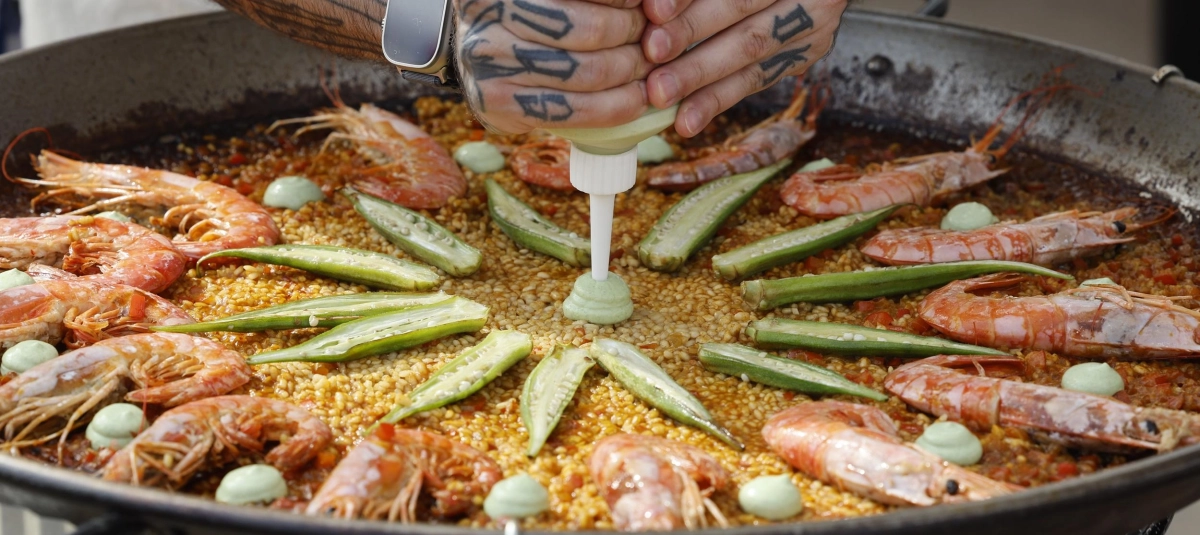
After about 10–12 minutes, arrange the shrimp, squid, mussels, and clams on top. Continue cooking for a few more minutes until the rice has absorbed most of the liquid and the seafood is cooked through. Discard any mussels and clams that haven’t opened after cooking. When the rice is tender but not overcooked, remove the pan from the heat. Cover it with a towel or lid and let it rest for about 5 minutes. Before serving, sprinkle the paella with fresh parsley and add lemon wedges.
How to Make Delicious Paella
The most important rule is not to turn the paella into plain rice porridge. The rice should remain in separate grains and absorb the flavor of the broth. That’s why you shouldn’t stir it constantly after adding the liquid.

Also, don’t just throw everything you have in the fridge into the paella. There are many variations of this dish in Valencia, but each has its own logic. If you’re making a seafood version, focus on a high-quality broth and fresh ingredients. If you’re craving the classic Valencian version, it’s best to stick with a combination of chicken, rabbit, beans, and rice.
Why Paella Is Eaten Together
One of the most interesting features of paella is its social nature. A large pan is traditionally placed in the center of the table, and the dish is shared among everyone present. That’s why paella is often associated not only with food but also with gatherings of family and friends. It is precisely this atmosphere that World Paella Day seeks to bring to different countries. It doesn’t really matter whether people prepare the classic Valencian recipe or create their own version. The main thing is to get together, prepare the meal, and celebrate a dish that, over the course of several centuries, has evolved from food for farmworkers to one of the most famous symbols of Spanish cuisine.
So on September 20, 2026, you can not only congratulate Valencia on its culinary holiday but also try your hand at making your own paella. And if you want to get as close to the original as possible, start with rice, a wide skillet, and simple, fresh ingredients. That’s exactly how the story of this dish—which is now known practically all over the world—began.


