
Gyawali proposes trilateral climate mechanism — Kathmandu Post
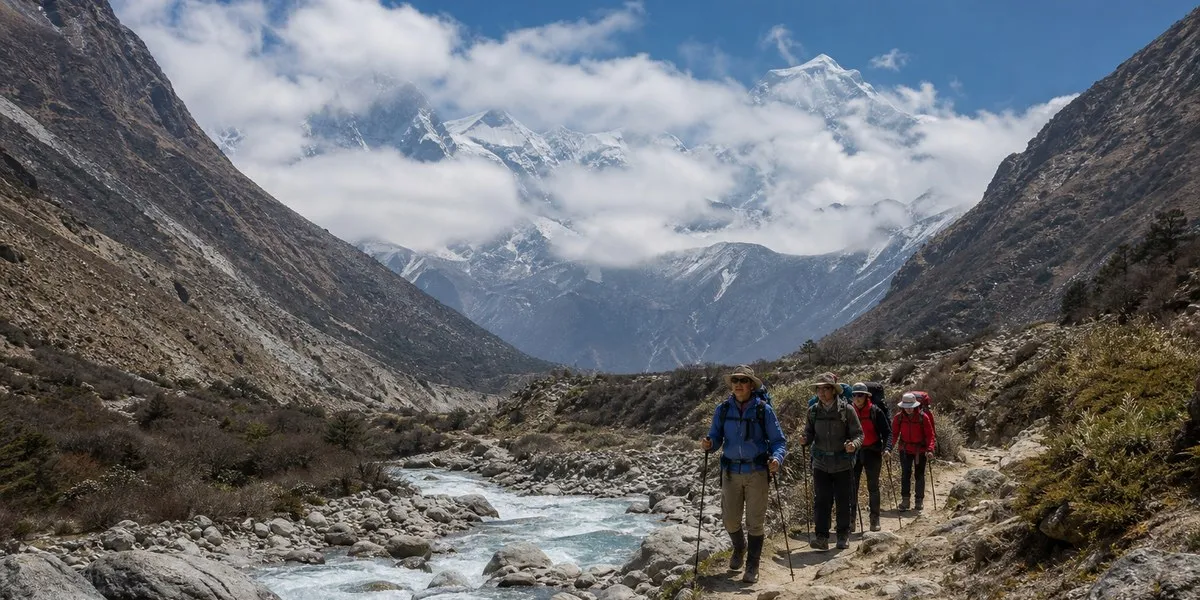
In Nepal, former Foreign Minister Pradip Gyawali proposed creating a trilateral climate resilience mechanism involving Nepal, India and China. In his view, Nepal should lead the development of an agenda on the problems of the Himalayas, which are experiencing the effects of climate change.
As the Kathmandu Post reports, Gyawali supported an idea raised by Prime Minister Balendra Shah at the UN General Assembly after a sudden flood in Bhotekoshi. According to the former minister, in his speech the prime minister estimated flood damage at about 10% of Nepal's GDP and called for climate justice. Gyawali also conveyed the position that the country's recovery should not be financed through loans, as Nepal did not cause the climate crisis.
Data sharing and warnings
Gyawali believes that the possible mechanism should provide for the exchange of satellite data, prompt risk analysis and early warning systems. According to him, several rivers originate in China, flow through Nepal and then reach India, so the consequences of changes may be felt in all three countries.
More current news is available on the UA.News Telegram channel Telegram.
He also included comprehensive research into changes in the Himalayas, an assessment of their potential impact and the development of preventive measures, including climate-resilient infrastructure, among the mechanism's tasks. Gyawali referred to estimates according to which two-thirds of Himalayan snow could melt by 2100 if temperatures continue to rise.
Consultations with India and China
Before starting negotiations, Nepal should prepare a detailed concept, in Gyawali's view: define the mechanism's structure, its powers, funding sources, the location of its center and approaches to data security. After that, Kathmandu could hold separate consultations with India and China, and then convene a trilateral meeting or establish a permanent mechanism.
The former minister said he considers such cooperation possible because Himalayan regions of India and China also face serious natural risks. He added that, in his assessment, there is a political consensus in Nepal on advancing the mountain climate agenda at international platforms.




