
Lebanese Foreign Minister Raggi stops going to office over security warnings — Jerusalem Post
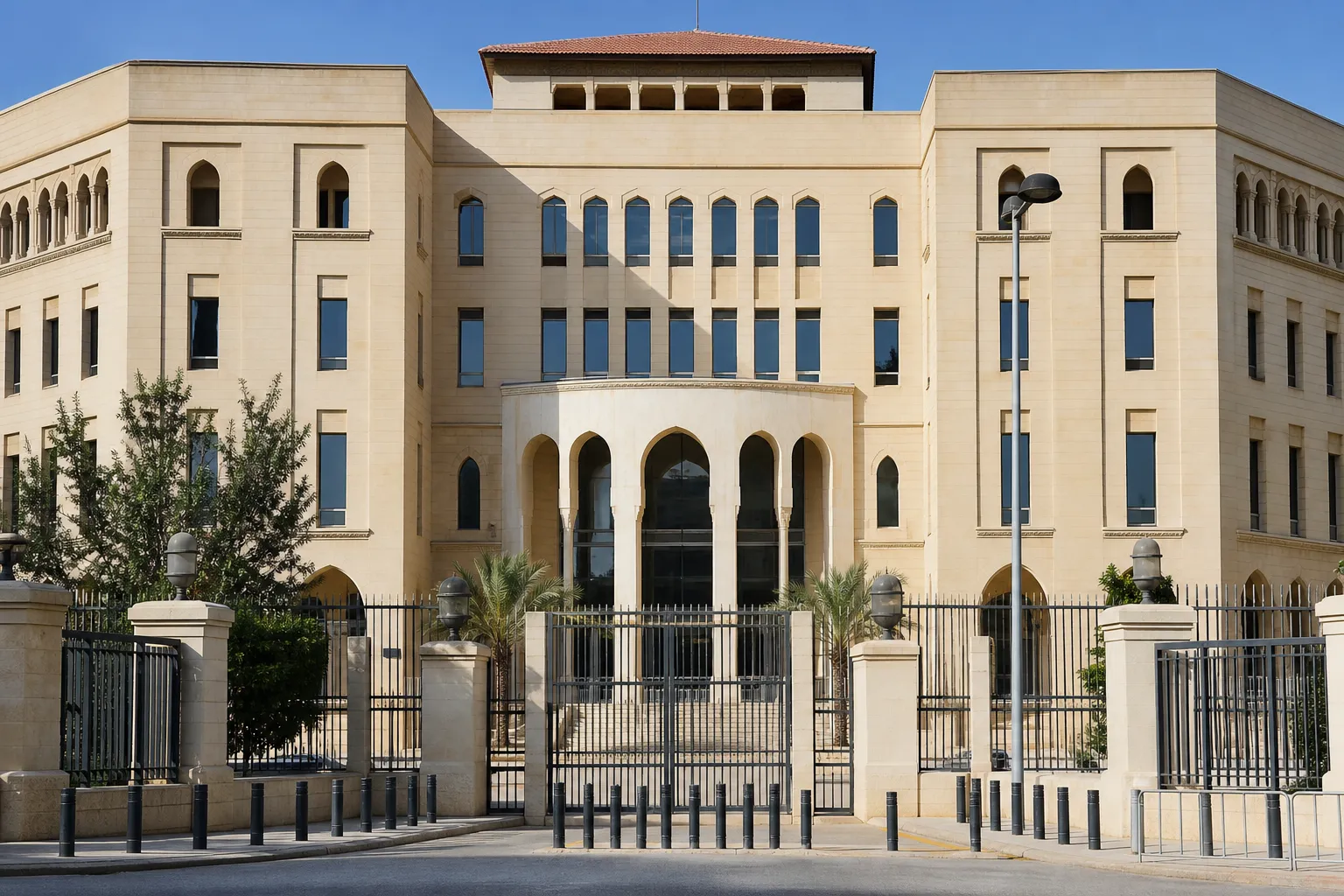
Lebanese Foreign Minister Youssef Raggi has stopped visiting his office in Beirut and is working from home after receiving security warnings. The Jerusalem Post reports, citing the Lebanese outlet An-Nahar.
According to sources close to the minister, there are fears that someone could harm him because of his sharp stance toward Hezbollah and calls to disarm the group. Raggi informed Lebanese President Joseph Aoun, Prime Minister Nawaf Salam and security force representatives about the situation.
Working from home and increased security
About two months ago, amid heightened security tensions in Beirut and concerns about possible infiltration into government buildings, the minister was advised not to visit the Foreign Ministry building. According to sources, it is relatively vulnerable and has a limited number of access routes, which could make it easier to track the minister's movements or attempt to harm him.
More current news is available on the UA.News Telegram channel Telegram.
Since then, Raggi has managed the ministry's work from his home, continues diplomatic activities and has requested increased security. The day before the report was published, he confirmed that he does not go to the ministry because of received “security warnings,” but did not specify their origin or name possible parties involved.
Statements by Hezbollah's opponents
Former parliament member Wehbe Katicha, associated with the Lebanese Forces party, placed responsibility for the atmosphere of intimidation on Hezbollah. At the same time, the report contains no evidence that this group was the one sending threats to Raggi.
In recent months, the foreign minister has publicly demanded that Hezbollah's weapons be transferred to the state. He called the group an armed illegal Iranian proxy and said its arsenal had not protected Lebanon but had drawn the country into confrontation. In March, Lebanon's government ordered Hezbollah to halt its military and security activities and transfer its weapons to the state.


